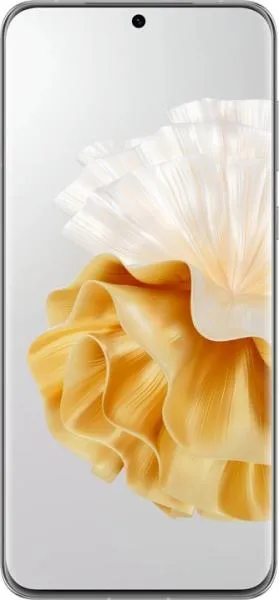
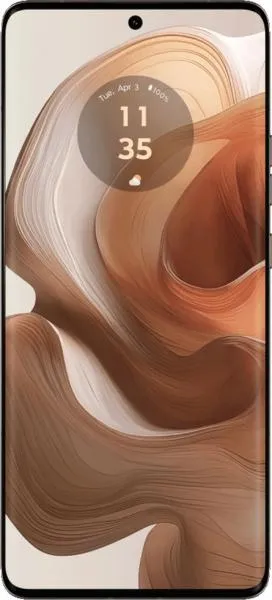
1. Specifications Comparison
| Feature | Huawei P60 Pro | Motorola Edge 50 Ultra | Practical Impact |
|---|---|---|---|
| Design | |||
| Dimensions (mm) | 161 x 74.5 x 8.3 | 161.1 x 72.4 x 8.6 | Motorola is slightly narrower but thicker. Negligible difference in daily use. |
| Weight (g) | 200 | 197 | Virtually identical weight. |
| Build Material | Unspecified | Unspecified | Cannot compare build quality and durability without material information. |
| Display | |||
| Display Type | LTPO OLED | P-OLED | Both offer excellent contrast and deep blacks. LTPO allows for dynamic refresh rate, potentially saving battery. |
| Display Size (inches) | 6.67 | 6.7 | Negligible size difference. |
| Resolution | 1220 x 2700 | 1220 x 2712 | Nearly identical resolution; sharpness will be indistinguishable. |
| Refresh Rate (Hz) | 120 | 144 | Motorola offers a smoother scrolling and gaming experience due to the higher refresh rate. |
| HDR | No HDR10/10+ | HDR10+, 2500 nits peak brightness | Motorola offers significantly better HDR video playback with higher brightness and wider color gamut. |
| Performance | |||
| Chipset | Snapdragon 8+ Gen 1 4G | Snapdragon 8s Gen 3 | Motorola has a newer, potentially slightly faster processor. |
| CPU | Octa-core (1x3.19 GHz X2 & 3x2.75 GHz A710 & 4x2.0 GHz A510) | Octa-core (1x3.0 GHz X4 & 4x2.8 GHz A720 & 3x2.0 GHz A520) | Both offer top-tier performance, though architectural differences make direct comparison difficult without benchmarks. |
| GPU | Adreno 730 | Adreno 735 | Motorola may offer slightly better graphics performance. |
| RAM | 8GB/12GB | 12GB/16GB | Motorola offers more RAM in its base configuration, potentially improving multitasking. |
| OS | Unspecified | Android 14 (upgradable to 17) | Motorola benefits from confirmed software updates and a defined OS version. |
| Camera | |||
| Main Camera | 48MP, f/1.4 | 50MP, f/1.6, larger sensor | Motorola's larger sensor likely captures more light, improving low-light performance. |
| Ultrawide | 13MP, f/2.2 | 50MP, f/2.0 | Motorola's ultrawide offers much higher resolution and a wider field of view. |
| Telephoto | 48MP, f/2.1, 3.5x Optical Zoom | 64MP, f/2.4, 3x Optical Zoom | Similar zoom capabilities; higher resolution on Motorola might offer slightly more detail. |
| Battery | |||
| Capacity (mAh) | 4815 | 4500 | Huawei offers a larger battery, potentially resulting in longer battery life. |
| Fast Charging | 88W | 125W | Motorola offers significantly faster charging. |
| Wireless Charging | 50W | 50W | Similar wireless charging speeds. |
2. Key Differences Analysis
Huawei P60 Pro Advantages:
- Potentially Longer Battery Life: Larger battery capacity suggests better endurance.
- LTPO Display: Enables dynamic refresh rate adjustment for power saving.
Motorola Edge 50 Ultra Advantages:
- Faster Refresh Rate: Smoother display experience for gaming and scrolling.
- HDR Support & Higher Brightness: Superior video playback quality.
- Faster Charging: Significantly quicker charging times.
- Newer Processor and More RAM: Likely better performance, especially in multitasking.
- Confirmed Software Updates: Longer software support and newer Android features.
- 5G Connectivity: Future-proofed for faster mobile data speeds.
- Superior Ultrawide Camera: Higher resolution and likely wider field of view.
3. User Profiles & Recommendations
Huawei P60 Pro: Users prioritizing battery life and a good display. Photography enthusiasts who value Huawei's camera processing.
Motorola Edge 50 Ultra: Users who prioritize performance, future-proofing with 5G, a smooth display with HDR, and fast charging. Content consumers who watch a lot of videos.
4. Decision Framework
Key Questions:
- Is 5G connectivity crucial? Motorola offers 5G, while Huawei only has 4G.
- How important is software update longevity? Motorola provides a clear upgrade path. Huawei's OS details are unknown.
- What is your budget? Motorola offers better value considering its features and lower "medium" price range compared to Huawei's "high" price.
My Choice: Motorola Edge 50 Ultra
Reasoning: The Motorola Edge 50 Ultra offers a more compelling overall package. The confirmed software updates, 5G connectivity, superior display with HDR, faster charging, and newer processor make it a more future-proof choice. While the Huawei P60 Pro might have slightly better battery life, the Motorola's advantages in other areas outweigh this for me. The "medium" price range for the Edge 50 Ultra compared to the P60 Pro's "high" price makes it a significantly better value. The lack of clear OS information for the Huawei device is also a major concern. Finally, the Motorola's significantly improved ultrawide camera is a substantial advantage for everyday photography.
