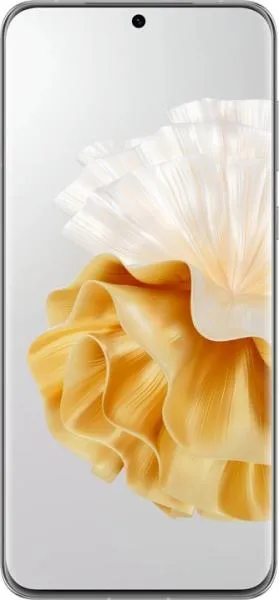
1. Specifications Comparison
| Feature | Huawei P60 Pro | Honor X7b | Practical Impact |
|---|---|---|---|
| Design | |||
| Dimensions (mm) | 161 x 74.5 x 8.3 | 166.7 x 76.5 x 8.2 | P60 Pro is slightly smaller and thinner. |
| Weight (g) | 200 | 199 | Negligible weight difference. |
| Build Material | Missing | Missing | Cannot compare build quality and durability. |
| Display | |||
| Display Type | LTPO OLED | IPS LCD | P60 Pro offers superior contrast, deeper blacks, and potentially better power efficiency due to LTPO. |
| Size (inches) | 6.67 | 6.8 | X7b has a slightly larger screen. |
| Resolution | 1220 x 2700 | 1080 x 2412 | P60 Pro has a significantly sharper display (444 ppi vs 389 ppi). |
| Refresh Rate | 120Hz | 90Hz | P60 Pro offers smoother scrolling and animations. |
| Performance | |||
| Chipset | Snapdragon 8+ Gen 1 4G | Snapdragon 680 4G | P60 Pro boasts significantly faster processing speeds and better gaming performance. |
| CPU | Octa-core (1x3.19 GHz X2 & 3x2.75 GHz A710 & 4x2.0 GHz A510) | Octa-core (4x2.4 GHz Kryo 265 Gold & 4x1.9 GHz Kryo 265 Silver) | P60 Pro has a more powerful CPU architecture. |
| GPU | Adreno 730 | Adreno 610 | P60 Pro offers significantly better graphics performance for demanding games and apps. |
| RAM | 8GB/12GB | 6GB/8GB | P60 Pro offers more RAM for better multitasking. |
| Camera | |||
| Main Camera | 48MP, f/1.4 | 108MP, f/1.8 | While X7b has higher resolution, P60 Pro's larger sensor (1/1.4") and wider aperture likely result in better low-light performance and depth of field. DxOMark score of 156 for P60 Pro supports this. |
| Telephoto | 48MP, f/2.1, 3.5x Optical Zoom | Missing dedicated telephoto | P60 Pro offers optical zoom for better image quality at longer distances. |
| Ultrawide | 13MP, f/2.2 | 5MP, f/2.2 | P60 Pro has a higher resolution ultrawide lens. |
| Video | 4K@60fps with EIS | 1080p@30fps | P60 Pro provides higher resolution and frame rate video recording with image stabilization. |
| Battery | |||
| Capacity | 4815 mAh | 5330 mAh | X7b has a larger battery capacity, potentially offering longer battery life. |
| Fast Charging | 88W | 35W | P60 Pro charges significantly faster. |
| Wireless Charging | 50W | Missing | P60 Pro supports fast wireless charging. |
2. Key Differences Analysis
Huawei P60 Pro Advantages:
- Superior Performance: The Snapdragon 8+ Gen 1 significantly outperforms the Snapdragon 680, providing a smoother and more responsive user experience, especially in demanding tasks and gaming.
- High-Quality Display: The LTPO OLED display offers vibrant colors, deeper blacks, and a higher refresh rate for smoother visuals.
- Advanced Camera System: The P60 Pro features a larger main sensor, a dedicated telephoto lens, and superior low-light performance. This is validated by its high DxOMark score.
- Faster Charging: 88W wired and 50W wireless charging significantly reduce charging times.
Honor X7b Advantages:
- Larger Battery: The 5330 mAh battery may provide longer battery life for less demanding users.
- Lower Price: The Honor X7b is significantly more affordable.
3. User Profiles & Recommendations
Huawei P60 Pro: Ideal for users who prioritize performance, a high-quality display, excellent camera capabilities, and fast charging. Suitable for demanding users, mobile gamers, and photography enthusiasts.
Honor X7b: Suitable for budget-conscious users who prioritize battery life and basic smartphone functionality. Good for users who primarily use their phones for calling, texting, browsing, and social media.
4. Decision Framework
Key Questions for Buyers:
- What is your budget? The P60 Pro is a premium device, while the X7b is a mid-range option.
- What are your primary smartphone usage patterns? Demanding tasks, gaming, and photography lean towards the P60 Pro; basic usage favors the X7b.
- How important are features like display quality, camera performance, and charging speed? If these are crucial, the P60 Pro is the better choice.
My Choice: Huawei P60 Pro
While the Honor X7b offers a larger battery and a significantly lower price, the Huawei P60 Pro's superior performance, stunning display, and advanced camera system are decisive factors for me. I prioritize a smooth and responsive user experience, high-quality visuals, and the ability to capture excellent photos and videos. The faster charging is also a significant convenience. The price difference is substantial, but the P60 Pro offers a significantly higher level of overall quality and features that justify the premium for my usage patterns. I am willing to compromise on slightly shorter battery life for the significant gains in other areas.
