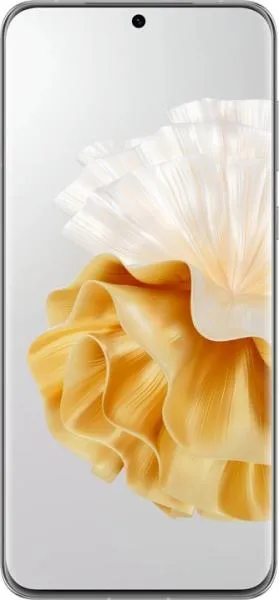
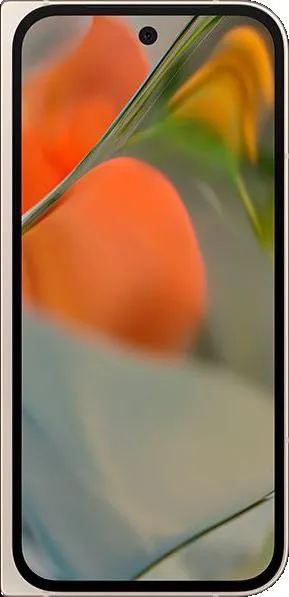
1. Specifications Comparison
| Feature | Huawei P60 Pro | Google Pixel 9 Pro Fold | Practical Impact |
|---|---|---|---|
| Design | |||
| Dimensions (mm) | 161 x 74.5 x 8.3 | 155.2 x 150.2 x 5.1 | Pixel 9 Pro Fold is wider and thicker due to its foldable design, but significantly thinner when unfolded. P60 Pro is more pocketable. |
| Weight (g) | 200 | 257 | Pixel 9 Pro Fold is noticeably heavier, impacting one-handed use. |
| Foldable | No | Yes | Pixel offers a larger screen in a potentially more portable form factor, but with added weight and complexity. |
| Display | |||
| Size (inches) | 6.67 | 8 (unfolded), ~6.3" (folded) | Pixel offers a larger main display for multitasking and media consumption but a smaller cover display for quick interactions. |
| Resolution (px) | 1220 x 2700 | 2076 x 2152 (unfolded), 1080 x 2424 (folded) | Pixel has a higher resolution unfolded, leading to sharper images and text. P60 Pro's taller aspect ratio may be better for scrolling. Folded Pixel screen resolution is comparable to the P60 Pro |
| Type | LTPO OLED | Foldable LTPO OLED | Both offer excellent color accuracy and power efficiency. Pixel's foldable screen introduces a crease and potential durability concerns. |
| Refresh Rate (Hz) | 120 | 120 | Both offer smooth scrolling and animations. |
| HDR | No Dolby Vision | HDR10+, HDR10 | Pixel supports HDR standards, offering better dynamic range in compatible content. Missing Dolby Vision information for P60 Pro limits the comparison. |
| Performance | |||
| Chipset | Snapdragon 8+ Gen 1 4G (4 nm) | Google Tensor G4 (4 nm) | Both are high-end chipsets, but Tensor G4 is newer and likely offers better AI performance. Snapdragon 8+ Gen 1 may have a slight edge in raw CPU power. |
| CPU | Octa-core (1x3.19 GHz X2 & 3x2.75 GHz A710 & 4x2.0 GHz A510) | Octa-core (1x3.1 GHz X4 & 3x2.6 GHz A720 & 4x1.92 GHz A520) | Tensor G4 uses newer CPU core architecture. Real-world performance differences may be minimal for most tasks but benchmarks are needed. |
| GPU | Adreno 730 | Mali-G715 MC7 | Adreno 730 generally offers stronger gaming performance. |
| RAM (GB) | 8/12 | 16 | Pixel offers more RAM, enabling better multitasking and smoother performance with demanding applications. |
| Camera | |||
| Main Camera (MP) | 48 | 48 | Similar resolution, but sensor size and other factors not fully specified limit meaningful comparison. |
| Telephoto | Yes | Yes | Both have telephoto capabilities, but specific details like optical zoom range are incomplete for meaningful comparison. |
| DxOMark Score | 156 | 141 | P60 Pro has a significantly higher DxOMark score, suggesting superior overall camera performance, but individual photo and video scores for the Pixel are missing, limiting comparison. |
| Battery | |||
| Capacity (mAh) | 4815 | 4650 | P60 Pro has a slightly larger battery, potentially offering longer battery life. |
| Fast Charging (W) | 88 | 27 | P60 Pro offers significantly faster wired charging. |
2. Key Differences Analysis
Huawei P60 Pro Advantages:
- More pocketable: Slimmer and lighter design.
- Faster Charging: Significantly faster wired charging.
- Higher DxOMark Score: Suggests better overall camera performance (but incomplete data for Pixel limits comparison).
- Potentially Longer Battery Life: Slightly larger battery capacity.
Google Pixel 9 Pro Fold Advantages:
- Larger Display: Foldable design offers a larger screen for multitasking and media consumption.
- More RAM: Better for multitasking and demanding applications.
- Newer Chipset: Google Tensor G4 likely offers better AI performance and utilizes a newer architecture.
- 5G Connectivity: Offers faster cellular data speeds.
- Software Updates: Likely to receive longer software updates directly from Google.
Trade-offs:
- Foldability vs. Pocketability: Pixel's foldable design sacrifices portability and adds weight for a larger screen.
- Charging Speed: P60 Pro offers much faster charging, but Pixel may have better optimized battery life.
- Price: Pixel 9 Pro Fold is expected to be significantly more expensive.
3. User Profiles & Recommendations
Huawei P60 Pro: Ideal for users who prioritize a slim, lightweight phone with a great camera, fast charging, and long battery life. Best for everyday use, photography enthusiasts, and users who value pocketability.
Google Pixel 9 Pro Fold: Best for users who prioritize a large screen for multitasking, media consumption, and productivity on the go. Suitable for power users, content creators, and those who value the latest technology and software updates. Foldability may be attractive for unique use cases like watching videos hands-free on a surface.
4. Decision Framework
Key Questions for Buyers:
- How important is portability? A slim and light phone or a larger foldable screen?
- What is your budget? Pixel 9 Pro Fold commands a significant price premium.
- What are your primary use cases? Photography, media consumption, multitasking, productivity?
Scenario-Based Recommendations:
- Limited Budget, Value Portability: Huawei P60 Pro
- Power User, Needs Large Screen: Google Pixel 9 Pro Fold
- Photographer, Values Pocketability: Huawei P60 Pro
- Early Adopter, Wants Latest Tech: Google Pixel 9 Pro Fold
My Choice: Huawei P60 Pro
While the Pixel 9 Pro Fold offers exciting technology with its foldable design and larger screen, I would choose the Huawei P60 Pro. My personal priorities are a slim and lightweight phone with a great camera and fast charging. The P60 Pro excels in these areas. The significantly faster charging and potentially longer battery life outweigh the benefits of a foldable screen for my usage. Additionally, the price difference is substantial. While the Pixel 9 Pro Fold may be innovative, the P60 Pro offers a more practical and refined experience for my needs. I am also less concerned about having the absolute latest chipset as the Snapdragon 8+ Gen 1 is still a powerful performer. Finally, the significantly higher DxOMark score suggests superior camera performance, a feature I prioritize. The lack of full 5G might be a concern for some, but 4G speeds are sufficient for my needs.
