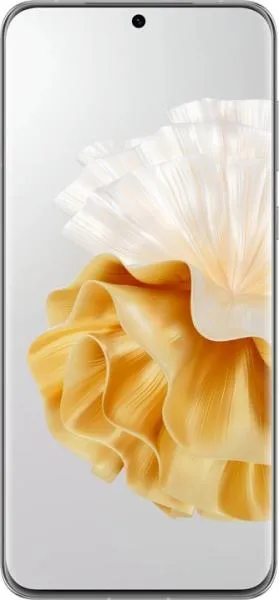
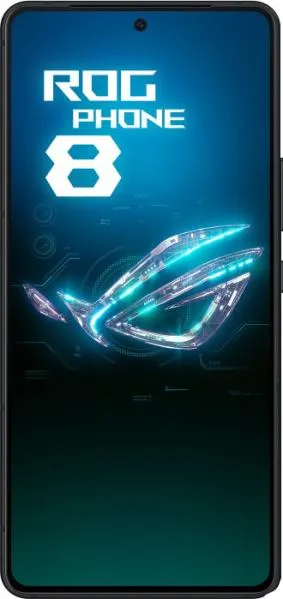
1. Specifications Comparison
| Feature | Huawei P60 Pro | Asus ROG Phone 8 | Practical Impact |
|---|---|---|---|
| Design | |||
| Dimensions (mm) | 161 x 74.5 x 8.3 | 163.8 x 76.8 x 8.9 | ROG Phone 8 is slightly larger and thicker. |
| Weight (g) | 200 | 225 | ROG Phone 8 is noticeably heavier. |
| Build | Not specified | Not specified | Build materials impact durability and feel; information is missing. |
| Display | |||
| Size (inches) | 6.67 | 6.78 | Negligible size difference. |
| Resolution | 1220 x 2700 | 1080 x 2400 | P60 Pro has a sharper display with higher pixel density. |
| Type | LTPO OLED | LTPO AMOLED | Both offer excellent contrast and color accuracy. |
| Refresh Rate (Hz) | 120 | 165 | ROG Phone 8 provides smoother scrolling and animations, especially beneficial for gaming. |
| Peak Brightness (nits) | Not specified | 2500 | ROG Phone 8 offers superior outdoor visibility. |
| Performance | |||
| Chipset | Snapdragon 8+ Gen 1 4G | Snapdragon 8 Gen 3 | ROG Phone 8 has a newer, more powerful processor, leading to better performance and efficiency. |
| CPU | Octa-core (up to 3.19 GHz) | Octa-core (up to 3.3 GHz) | ROG Phone 8 has a slight CPU advantage. |
| GPU | Adreno 730 | Adreno 750 | ROG Phone 8 boasts a more powerful GPU, significantly improving gaming and graphics-intensive tasks. |
| RAM (GB) | 8/12 | 12/16 | ROG Phone 8 offers more RAM in its configurations, enabling better multitasking and handling demanding applications. |
| Camera | |||
| Main Camera (MP) | 48 | 50 | Resolution difference is minor; sensor quality and software processing play a larger role in image quality. |
| Telephoto | 48MP Periscope | Unspecified Telephoto with 3x Optical Zoom | P60 Pro offers a higher resolution telephoto lens with potentially greater zoom capabilities. More details needed on ROG Phone 8 telephoto. |
| Ultrawide (MP) | 13 | 13 | Similar ultrawide resolution. |
| Video | Up to 4K@60fps | Up to 8K@24fps | ROG Phone 8 can record at a higher resolution but practical benefits are limited by display availability and file sizes. |
| Battery | |||
| Capacity (mAh) | 4815 | 5500 | ROG Phone 8 has significantly larger battery capacity, translating to longer usage time. |
| Charging | 88W wired, 50W wireless | 65W wired | P60 Pro offers faster wired and wireless charging. |
2. Key Differences Analysis
Huawei P60 Pro Advantages:
- Sharper Display: Higher pixel density results in crisper visuals.
- Faster Charging: Significantly faster wired and wireless charging.
- Potentially Superior Telephoto: Higher resolution periscope lens suggests better zoom capabilities, but further details needed on ROG Phone 8 telephoto.
Asus ROG Phone 8 Advantages:
- More Powerful Performance: Newer chipset, CPU, and GPU translate to significantly improved performance, especially for gaming.
- Higher Refresh Rate Display: Smoother and more responsive visual experience.
- Larger Battery: Longer battery life.
- Higher Resolution Video Recording: 8K recording capability. While not widely utilized yet, offers future-proofing.
- Lower Price: Offers significantly better price-to-performance ratio.
3. User Profiles & Recommendations
Huawei P60 Pro: Users prioritizing camera quality, a sharp display, and fast charging. Suitable for photography enthusiasts, social media users, and those who value a premium feel.
Asus ROG Phone 8: Ideal for mobile gamers, power users, and those who demand top-tier performance. Suitable for extended use without frequent charging.
4. Decision Framework
Key Questions:
- What is your primary use case? (Gaming, photography, general use)
- What is your budget? (High-end vs. mid-range)
- How important is battery life and charging speed?
Scenario-Based Recommendations:
- Gamer: ROG Phone 8 for its superior performance, high refresh rate display, and large battery.
- Photographer: P60 Pro for its camera system and sharp display, but pending a more detailed comparison of telephoto capabilities.
- Average User: ROG Phone 8 offers better value for its performance, battery life, and lower price.
My Choice: Asus ROG Phone 8
While the Huawei P60 Pro excels in display sharpness and charging speed, the Asus ROG Phone 8 offers a more compelling overall package. Its significantly superior performance, higher refresh rate display, larger battery, and lower price make it a better value proposition for most users. The newer and more powerful Snapdragon 8 Gen 3 chip, coupled with the Adreno 750 GPU, will provide a noticeable difference in everyday use and especially for demanding tasks like gaming. The larger battery also addresses a key concern for many users. Even though the P60 Pro has faster charging, the ROG Phone 8's larger battery capacity minimizes the need for frequent charging. While lacking detailed specifications on the ROG Phone 8's telephoto capabilities hinders a complete camera comparison, the overall performance and value proposition of the ROG Phone 8 makes it the clear winner for me.
