1. Specifications Comparison
| Feature | Huawei nova 11 | Xiaomi 14T | Practical Impact |
|---|---|---|---|
| Design | |||
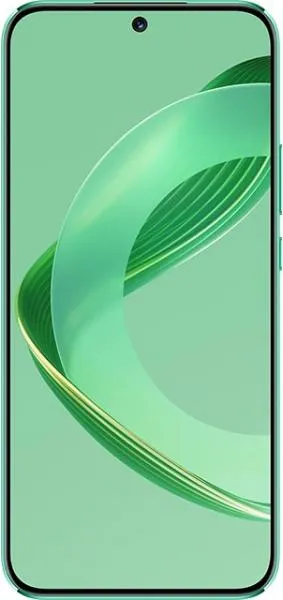
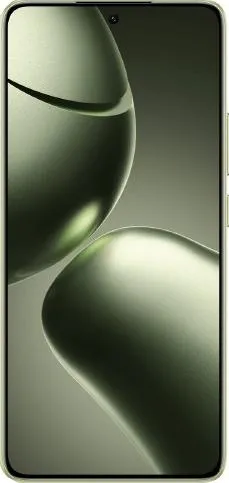
| Dimensions (mm) | 161.3 x 75 x 6.9 | 160.5 x 75.1 x 7.8 | Xiaomi 14T is slightly thicker and heavier. Nova 11 is more pocketable. |
| Weight (g) | 168 | 193 | Noticeable weight difference; Nova 11 feels lighter in hand. |
| Display | |||
| Size (inches) | 6.7 | 6.67 | Negligible size difference. |
| Resolution | 1084 x 2412 | 1220 x 2712 | Xiaomi 14T has a sharper display with higher resolution, leading to clearer text and images. |
| Type | OLED, 120Hz | AMOLED, 144Hz | Both offer vibrant colors and deep blacks. 14T's higher refresh rate provides smoother animations and scrolling. |
| Peak Brightness | 950 nits | 4000 nits | Xiaomi 14T offers significantly higher peak brightness, ensuring better visibility in direct sunlight. |
| HDR | HDR10 | HDR10+, Dolby Vision | 14T supports wider HDR standards for enhanced video content. |
| Performance | |||
| Chipset | Snapdragon 778G 4G (6nm) | Dimensity 8300 Ultra (4nm) | Xiaomi 14T boasts a more powerful and efficient processor, resulting in better performance and potentially longer battery life. |
| CPU | Octa-core (4x2.4 GHz & 4x1.8 GHz) | Octa-core (1x3.35 GHz & 3x3.20 GHz & 4x2.20 GHz) | 14T's CPU configuration suggests superior multi-core performance for demanding tasks. |
| GPU | Adreno 642L | Mali G615-MC6 | While specific benchmarks are missing, the Dimensity 8300 Ultra generally offers better gaming performance than the Snapdragon 778G. |
| RAM | 8GB | 12GB | More RAM on the 14T allows for better multitasking and smoother performance with multiple apps open. |
| Camera | |||
| Main Camera | 50MP, f/1.9 | 50MP, f/1.7, Sony IMX906 | Xiaomi 14T utilizes a larger sensor (IMX906) known for better low-light performance. The wider aperture (f/1.7) further enhances light capture. |
| Ultrawide | 8MP, f/2.2 | 13MP, f/2.2 | 14T offers a higher resolution ultrawide camera. |
| Telephoto | None | 50MP, f/1.9 | Xiaomi 14T features a dedicated telephoto lens for optical zoom, absent in the Nova 11. |
| Selfie | 60MP, f/2.4 | 32MP, f/2.0 | Nova 11 boasts a higher resolution selfie camera, but image quality depends on factors beyond megapixels. |
| Video | 720p@960fps | Up to 4K@60fps with HDR, EIS | Xiaomi 14T offers significantly better video recording capabilities with higher resolution, frame rates, and HDR support. |
| Battery | |||
| Capacity | 4500 mAh | 5000 mAh | Xiaomi 14T has a larger battery capacity, potentially translating to longer usage time. |
2. Key Differences Analysis
Xiaomi 14T Advantages:
- Superior Performance: The Dimensity 8300 Ultra chipset, coupled with 12GB RAM, offers a significant performance advantage for demanding tasks and gaming.
- Better Display: Higher resolution, refresh rate, and peak brightness deliver a more immersive and enjoyable viewing experience. Broader HDR support enhances video quality.
- More Versatile Camera System: The inclusion of a telephoto lens and a larger main sensor with a wider aperture provides greater flexibility and potentially better image quality, particularly in low light. Superior video recording capabilities.
- Larger Battery: Potentially longer battery life.
- 5G Connectivity: Offers faster data speeds and improved network performance in areas with 5G coverage.
Huawei nova 11 Advantages:
- Lighter and Thinner Design: More comfortable for one-handed use and pocket portability.
- Higher Resolution Selfie Camera: Potentially better for detailed selfies, though overall quality depends on other factors.
3. User Profiles & Recommendations
Xiaomi 14T: Ideal for users who prioritize performance, display quality, camera versatility, and long battery life. Suitable for gamers, power users, and content creators.
Huawei nova 11: Suitable for users who value a lightweight and slim design, prioritize a high-resolution selfie camera, and primarily use their phone for everyday tasks like social media, browsing, and casual photography.
4. Decision Framework
Key Questions for Buyers:
- What is your budget? The Xiaomi 14T is likely more expensive.
- What are your primary phone usage patterns? (Gaming, photography, social media, etc.)
- Do you prioritize performance and features or portability and design?
Scenario-Based Recommendations:
- Heavy User: Xiaomi 14T
- Casual User: Either phone, depending on budget and preference for design vs. features.
- Photographer/Videographer: Xiaomi 14T
- Gamer: Xiaomi 14T
My Choice: Xiaomi 14T
While the Huawei Nova 11 offers a sleek and lightweight design, the Xiaomi 14T's superior performance, display, camera system, and battery life make it the clear winner for me. The advantages in key areas like processing power, screen quality, and camera versatility outweigh the Nova 11's slimmer profile. The future-proof 5G connectivity is also a significant factor. I prioritize a smooth and powerful user experience, and the 14T delivers that in spades. The higher price would be justified for the significant upgrade in overall capabilities.
