
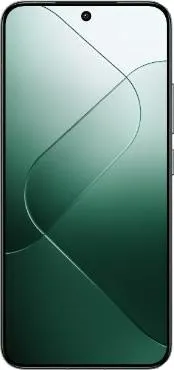
1. Specifications Comparison
| Feature | Huawei nova 11 | Xiaomi 14 | Practical Impact |
|---|---|---|---|
| Design | |||
| Dimensions (mm) | 161.3 x 75 x 6.9 | 152.8 x 71.5 x 8.2 | Xiaomi 14 is noticeably smaller and slightly thicker. Nova 11 is lighter. Xiaomi 14 might be more pocketable. |
| Weight (g) | 168 | 188 | Nova 11 is lighter, reducing hand fatigue during extended use. |
| Display | |||
| Size (inches) | 6.7 | 6.36 | Nova 11 offers a larger screen for more immersive media consumption. |
| Resolution | 1084 x 2412 | 1200 x 2670 | Xiaomi 14 boasts a sharper display with higher pixel density (460 ppi vs 391 ppi), resulting in crisper text and images. |
| Type | OLED, 120Hz | LTPO OLED, 120Hz | Both offer smooth scrolling and animations. Xiaomi 14's LTPO panel allows for dynamic refresh rate adjustment, potentially saving battery. Xiaomi 14 supports Dolby Vision and HDR10+ for superior dynamic range in compatible content. Xiaomi 14 has significantly higher peak brightness, improving outdoor visibility. |
| Performance | |||
| Chipset | Snapdragon 778G 4G | Snapdragon 8 Gen 3 | Xiaomi 14 significantly outperforms Nova 11 in processing power, enabling smoother multitasking, faster app loading, and better gaming performance. |
| CPU | Octa-core (4x2.4 GHz & 4x1.8 GHz) | Octa-core (1x3.3 GHz & 3x3.2 GHz & 2x3.0 GHz & 2x2.3 GHz) | Xiaomi 14's newer and more powerful CPU architecture provides a substantial performance advantage. |
| GPU | Adreno 642L | Adreno 750 | Xiaomi 14's superior GPU delivers significantly better graphics performance for demanding games and applications. |
| RAM | 8GB | 12GB | Xiaomi 14's larger RAM enables better multitasking and smoother performance with multiple apps open. |
| OS | Unknown | Android 14 | Xiaomi 14 ships with the latest Android version, offering potential feature and security advantages. The lack of OS information for the Nova 11 is a significant limitation. |
| Camera | |||
| Rear Camera | 50MP Main + 8MP Wide/Macro | 50MP Main + 50MP Wide + 50MP Telephoto | Xiaomi 14 offers a more versatile triple-camera system with a dedicated telephoto lens for optical zoom. Xiaomi 14 also uses larger sensors for improved image quality, especially in low light. Xiaomi has optical image stabilization, while Nova 11 relies on digital stabilization. |
| Front Camera | 60MP | 32MP | Nova 11 has a higher resolution front camera, but megapixel count doesn't solely determine image quality. Sensor size and other factors are crucial. |
| Video | 720p@960fps | 8K@24fps, 4K@60fps, slow-motion up to 1920fps | Xiaomi 14 offers significantly better video recording capabilities, including 8K resolution and superior slow-motion. |
| Battery | |||
| Capacity | 4500 mAh | 4610 mAh | Xiaomi 14 has a slightly larger battery. Real-world battery life depends on various factors, including software optimization and display usage. |
2. Key Differences Analysis
Xiaomi 14 Advantages:
- Significantly more powerful: Snapdragon 8 Gen 3 offers a substantial performance advantage over the Snapdragon 778G.
- More versatile camera system: Triple camera setup with telephoto lens and optical image stabilization. Superior video recording capabilities.
- Sharper display: Higher resolution and pixel density, LTPO technology, HDR10+, Dolby Vision support, higher peak brightness.
- Latest Android version: Potentially longer software support and newer features.
- Faster Charging: USB 3.2 allows for potentially faster data transfer and charging speeds compared to USB 2.0 on the Nova 11.
Huawei nova 11 Advantages:
- Lighter: Noticeably lighter, potentially more comfortable for extended use.
- Larger Display: Provides a more immersive viewing experience.
- Potentially Lower Price: Depending on specific configurations and regional pricing, the Nova 11 could be more affordable.
Trade-offs:
- Performance vs. Price: Xiaomi 14 offers superior performance but is likely more expensive.
- Size and Weight: Xiaomi 14 is smaller and more pocketable but heavier. Nova 11 is larger and lighter.
3. User Profiles & Recommendations
Xiaomi 14: Ideal for users who prioritize performance, cutting-edge features, a premium display, and a versatile camera. Excellent for mobile gaming, demanding applications, content creation, and photography enthusiasts.
Huawei nova 11: Suitable for users seeking a large display, a lightweight design, and a more budget-friendly option. Good for casual gaming, social media, media consumption, and users prioritizing portability.
4. Decision Framework
Key Questions:
- What is your budget? The Xiaomi 14 is likely more expensive.
- What are your performance requirements? For demanding tasks, Xiaomi 14 is significantly better.
- What are your camera needs? Xiaomi 14 offers a more versatile and capable camera system.
My Choice: Xiaomi 14
The Xiaomi 14 is the clear winner for me. While the Huawei nova 11 offers a larger display and lighter weight, the Xiaomi 14's significant advantages in performance, camera capabilities, display quality, and having the latest Android OS outweigh those benefits. The Snapdragon 8 Gen 3, the superior camera system with a telephoto lens and OIS, and the sharper LTPO display make the Xiaomi 14 a much more compelling device for my needs. I prioritize a smooth and responsive user experience, high-quality photos and videos, and the latest features, and the Xiaomi 14 delivers on all fronts. While I acknowledge the Nova 11's potential price advantage, the performance difference is too significant to ignore.
