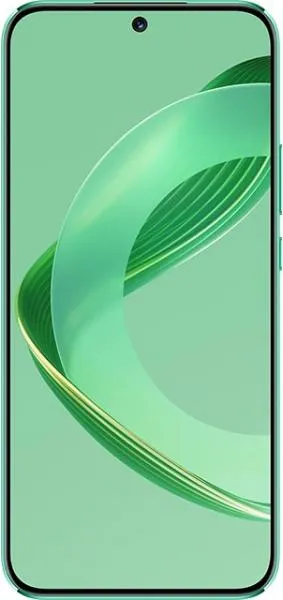
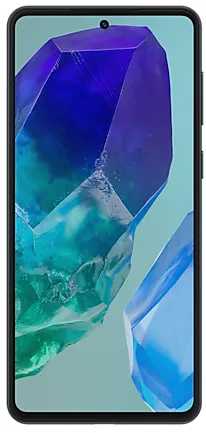
1. Specifications Comparison
| Feature | Huawei nova 11 | Samsung Galaxy M55 | Practical Impact |
|---|---|---|---|
| Design | |||
| Dimensions (mm) | 161.3 x 75 x 6.9 | 163.9 x 76.5 x 7.8 | Nova 11 is slightly smaller and thinner, potentially more pocketable. |
| Weight (g) | 168 | 180 | Nova 11 is noticeably lighter, more comfortable for extended use. |
| Display | |||
| Size (inches) | 6.7 | 6.7 | Same screen size. |
| Resolution (px) | 1084 x 2412 | 1080 x 2400 | Virtually indistinguishable resolution difference in daily use. |
| Type | OLED, 120Hz | Super AMOLED+, 120Hz | Both offer vibrant colors and smooth scrolling thanks to high refresh rates. Samsung's "Plus" designation suggests potential enhancements like higher brightness, but specific details are lacking. |
| Performance | |||
| Chipset | Snapdragon 778G 4G (6nm) | Snapdragon 7 Gen 1 (4nm) | M55's newer and more efficient 4nm chipset likely translates to better performance and battery life. |
| CPU | Octa-core (4x2.4 GHz & 4x1.8 GHz) | Octa-core (1x2.4 GHz & 3x2.36 GHz & 4x1.8 GHz) | M55's CPU configuration suggests a performance advantage, especially in demanding tasks. |
| GPU | Adreno 642L | Adreno 644 | M55 likely has a slight edge in graphics performance. |
| RAM (GB) | 8 | 8 | Same RAM capacity, should offer similar multitasking capabilities. |
| OS | Unknown | Android 14 | A significant unknown for the Nova 11. Lack of OS information makes it impossible to evaluate software features, updates, and overall user experience. |
| Camera | |||
| Rear Cameras | 50MP Main, 8MP Wide+Macro | 50MP Main, 8MP Wide, 2MP Macro | Both have comparable main and wide cameras. M55 has a dedicated macro lens, potentially offering slightly better macro shots. |
| Front Camera | 60MP | 50MP | Nova 11 has a higher resolution selfie camera. Practical difference may be minimal depending on sensor quality and processing. |
| Video | 720p@960fps (slow-mo) | 4K@30fps, 1080p@60fps with OIS | M55 offers superior video recording capabilities, including 4K resolution and optical image stabilization. Nova 11 offers high frame rate slow-motion but at lower resolution. |
| Battery | |||
| Capacity (mAh) | 4500 | 5000 | M55 has a larger battery, likely resulting in longer battery life. |
2. Key Differences Analysis
Huawei nova 11 Advantages:
- Lighter and more compact: More comfortable for one-handed use and portability.
- Higher resolution front camera: Potentially better selfie images. Note: This depends significantly on other factors like sensor size and image processing, which are not provided for the Nova's front camera.
Samsung Galaxy M55 Advantages:
- More powerful and efficient processor: Smoother performance, better battery life.
- 5G Connectivity: Faster data speeds and future-proofing.
- Superior video recording: 4K resolution, Optical Image Stabilization (OIS) for smoother footage.
- Larger battery: Longer usage time between charges.
- Confirmed Android OS with updates: Ensures access to latest features, security patches, and app compatibility.
3. User Profiles & Recommendations
Huawei nova 11: Users prioritizing a lightweight, compact design who primarily use their phone for casual tasks and social media. However, the lack of OS information makes a strong recommendation impossible. Without knowing the OS, it's impossible to assess app availability, security, and overall usability.
Samsung Galaxy M55: Users who value performance, battery life, future-proof connectivity (5G), and good camera capabilities. Suitable for a wider range of tasks including gaming, content creation, and multitasking.
4. Decision Framework
Key Questions for Buyers:
- Is 5G connectivity important? M55 offers 5G, while Nova 11 is 4G only.
- What is your budget and how important is long-term software support? Pricing is similar, but M55's confirmed Android OS ensures updates. The Nova 11's unknown OS is a major risk.
- What are your primary phone usage patterns? M55 offers better performance for demanding tasks and gaming, while Nova 11 prioritizes portability and potentially better selfies.
My Choice: Samsung Galaxy M55
The Samsung Galaxy M55 is the clear choice due to its superior performance, confirmed Android OS with future updates, 5G connectivity, larger battery, and better video recording capabilities. While the Nova 11 is lighter and potentially offers slightly better selfies, the unknown OS is a deal breaker. A smartphone's operating system is fundamental to the entire user experience, and without knowing the OS or guaranteed software support, the Nova 11 presents an unacceptable risk. The M55 offers a more well-rounded package for most users. The performance and connectivity advantages, combined with the certainty of Android 14, outweigh the Nova 11's slight advantages in size and weight.
