1. Specifications Comparison
| Feature | Huawei nova 11 | Asus ROG Phone 8 | Practical Impact |
|---|---|---|---|
| Design | |||
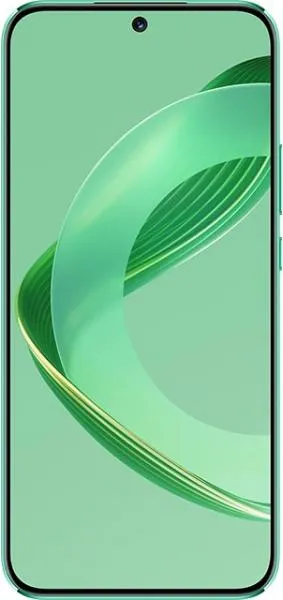
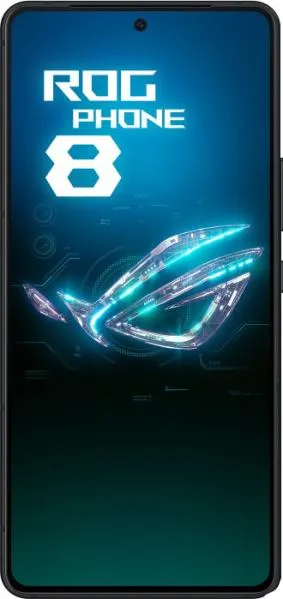
| Dimensions (mm) | 161.3 x 75 x 6.9 | 163.8 x 76.8 x 8.9 | ROG Phone 8 is larger and thicker. Nova 11 is more pocketable. |
| Weight (g) | 168 | 225 | ROG Phone 8 is significantly heavier, potentially causing fatigue during extended use. |
| Build | Unspecified | Unspecified | Build materials impact durability and premium feel. Lack of information prevents comparison. |
| Display | |||
| Size (inches) | 6.7 | 6.78 | Negligible size difference. |
| Resolution | 1084 x 2412 | 1080 x 2400 | Virtually identical sharpness. |
| Type | OLED, 120Hz | LTPO AMOLED, 165Hz | ROG Phone 8's LTPO panel offers better power efficiency and smoother scrolling with its higher refresh rate. |
| Peak Brightness | 950 nits | 2500 nits | ROG Phone 8 offers significantly better outdoor visibility. |
| Performance | |||
| Chipset | Snapdragon 778G 4G | Snapdragon 8 Gen 3 | ROG Phone 8 boasts a significantly more powerful processor, resulting in much faster performance for demanding tasks and gaming. |
| CPU | Octa-core (4x2.4 GHz Kryo 670 & 4x1.8 GHz Kryo 670) | Octa-core (1x3.3 GHz Cortex-X4 & 3x3.2 GHz Cortex-A720 & 2x3.0 GHz Cortex-A720 & 2x2.3 GHz Cortex-A520) | ROG Phone 8 has a more powerful and modern CPU architecture, enabling superior multitasking and app loading speeds. |
| GPU | Adreno 642L | Adreno 750 | ROG Phone 8 offers a substantial GPU advantage, translating to significantly better gaming performance and smoother graphics rendering. |
| RAM | 8GB | 16GB | ROG Phone 8 has double the RAM, allowing for more apps to run in the background without performance slowdowns. |
| Camera | |||
| Main Camera | 50MP, f/1.9 | 50MP, f/1.9, Sony IMX890 | ROG Phone 8 utilizes a known high-quality sensor (Sony IMX890), potentially offering better image quality. |
| Ultrawide | 8MP, f/2.2 | 13MP, f/2.2 | ROG Phone 8 likely offers a wider field of view and slightly better image quality with its ultrawide camera. |
| Macro | No dedicated lens | 5MP, f/2.4 | ROG Phone 8 offers a dedicated macro lens. |
| Video | 720p@960fps | 8K@24fps | ROG Phone 8 supports significantly higher video resolution. |
| Battery | |||
| Capacity | 4500 mAh | 5500 mAh | ROG Phone 8 has a larger battery capacity, potentially leading to longer battery life. |
| Charging Speed | Unspecified | Unspecified | Charging speed impacts how quickly the phone recharges. Lack of information prevents comparison. |
2. Key Differences Analysis
Huawei nova 11 Advantages:
- Lighter and More Compact: Significantly easier to carry and handle.
- Potentially More Affordable: Typically priced lower than gaming-focused phones.
Asus ROG Phone 8 Advantages:
- Superior Performance: Significantly faster CPU and GPU for demanding tasks and gaming.
- Higher Refresh Rate Display: Smoother scrolling and animations.
- Brighter Display: Excellent outdoor visibility.
- Larger Battery: Potential for longer battery life.
- More RAM: Better multitasking capabilities.
- Superior Camera System: Higher resolution ultrawide, dedicated macro lens, higher resolution video recording, and known high-quality main sensor.
3. User Profiles & Recommendations
Huawei nova 11: Suitable for users who prioritize portability, affordability, and general everyday tasks like social media, browsing, and light photography.
Asus ROG Phone 8: Ideal for gamers, power users, and content creators who demand top-tier performance, a high-quality display, and advanced camera features.
4. Decision Framework
Key Questions for Buyers:
- What is your budget? The ROG Phone 8 is likely more expensive.
- What are your primary use cases? Gaming, content creation, or everyday tasks?
- Do you prioritize portability or performance? The Nova 11 is more portable, while the ROG Phone 8 offers significantly higher performance.
My Choice: Asus ROG Phone 8
While the Huawei nova 11 offers a more compact and lightweight design, the Asus ROG Phone 8's superior performance, display, camera, and battery life make it the clear winner for me. I prioritize a smooth and responsive user experience, especially for demanding tasks and gaming. The brighter display is also a significant advantage for outdoor use. While the ROG Phone 8 is larger and heavier, the performance benefits outweigh the portability trade-off for my personal needs. The significantly improved camera system with the inclusion of a higher quality sensor, a dedicated macro lens, and higher resolution video capabilities also heavily influences my decision.
