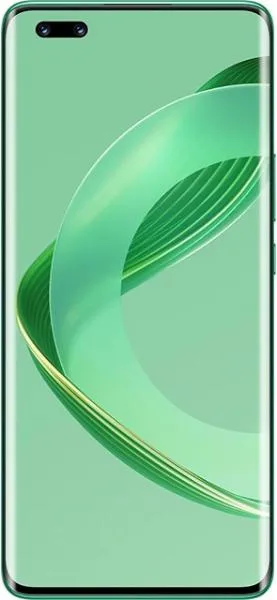
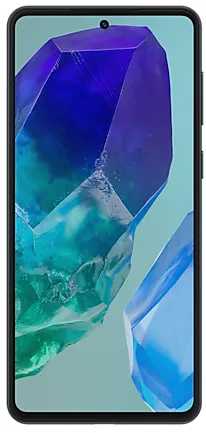
1. Specifications Comparison
| Feature | Huawei nova 11 Pro | Samsung Galaxy M55 | Practical Impact |
|---|---|---|---|
| Design | |||
| Dimensions (mm) | 164.3 x 74.4 x 7.9 | 163.9 x 76.5 x 7.8 | Virtually identical in size and thickness. |
| Weight (g) | 188 | 180 | Negligible weight difference in hand. |
| Build Material | Not specified | Not specified | Cannot compare build quality and durability. |
| Display | |||
| Display Type | OLED | Super AMOLED | Both offer vibrant colors and deep blacks. Samsung's Super AMOLED might have slightly better outdoor visibility. |
| Size (inches) | 6.78 | 6.7 | Negligible difference in screen real estate. |
| Resolution | 1200 x 2652 | 1080 x 2400 | Huawei offers a sharper display with higher pixel density, resulting in crisper text and images. |
| Refresh Rate (Hz) | 120 | 120 | Both provide smooth scrolling and animations. |
| Peak Brightness | 950 nits | Not specified | Huawei's higher peak brightness ensures better visibility in direct sunlight. |
| Performance | |||
| Chipset | Snapdragon 778G 4G (6nm) | Snapdragon 7 Gen 1 (4nm) | Samsung's newer and more efficient chipset will likely offer better performance and battery life. |
| CPU | Octa-core (4x2.4 GHz & 4x1.8 GHz) | Octa-core (1x2.4 GHz, 3x2.36 GHz, & 4x1.8 GHz) | Samsung's CPU configuration suggests a performance advantage in demanding tasks. |
| GPU | Adreno 642L | Adreno 644 | Samsung's GPU is expected to deliver better gaming and graphics performance. |
| RAM | 6/8/12GB (depending on version) | 8GB | Both offer sufficient RAM for multitasking, but Huawei offers configurations with even more RAM for power users. |
| OS | Not specified | Android 14 | Samsung has a clear advantage with a confirmed modern OS and potential for future updates. Huawei's lack of OS information is a significant drawback. |
| Camera | |||
| Rear Camera | 50MP Main, 8MP Wide + Macro | 50MP Main, 8MP Wide, 2MP Macro | Similar main camera setup. Samsung offers a dedicated macro lens, but its lower resolution might not provide significant benefits over Huawei's combined wide and macro. |
| Front Camera | 60MP Main, 8MP Depth | 50MP Main | Both offer high-resolution selfie cameras. Huawei's dedicated depth sensor could provide better portrait mode effects. |
| Video | 720p @ 960fps | 4K @ 30fps, 1080p @ 60fps | Samsung boasts superior video recording capabilities with 4K resolution and optical image stabilization. Huawei offers super slow-motion video. |
| Battery | |||
| Capacity (mAh) | 4500 | 5000 | Samsung offers a larger battery, likely resulting in longer battery life. |
2. Key Differences Analysis
Huawei nova 11 Pro Advantages:
- Sharper Display: Higher resolution for crisper visuals.
- Higher Peak Brightness: Better outdoor visibility.
- Higher Resolution Front Camera and Depth Sensor: Potentially better selfies and portrait mode.
- Super Slow-motion Video: Unique feature for capturing fast action.
- Potentially More RAM in Certain Models: Beneficial for power users and heavy multitasking.
Samsung Galaxy M55 Advantages:
- More Powerful and Efficient Chipset: Better performance and battery life.
- Confirmed Modern OS with Updates: Significant advantage in terms of software support and features.
- Larger Battery: Potentially longer usage time.
- Higher Resolution Video Recording with Stabilization: Superior video quality.
- Lower Price: Offers better value for money based on current pricing.
3. User Profiles & Recommendations
Huawei nova 11 Pro: Users prioritizing display sharpness, bright screens, high-resolution selfies, and unique slow-motion video capture. Suitable for social media enthusiasts and content creators focused on still photography.
Samsung Galaxy M55: Users prioritizing overall performance, battery life, software updates, and video recording capabilities. Suitable for general users, gamers, and those who consume or create video content.
4. Decision Framework
Key Questions for Buyers:
- Is a confirmed OS and future software updates crucial?
- Which is more important: still image quality or video recording capabilities?
- What is your budget and desired performance level?
Scenario-Based Recommendations:
- Limited Budget, General Use: Samsung Galaxy M55 offers better value for its price.
- Photography Enthusiast: Huawei nova 11 Pro, assuming the lack of OS details isn't a deal breaker.
- Gamer or Power User: Samsung Galaxy M55 due to its superior performance and newer chipset.
My Choice: Samsung Galaxy M55
The lack of clear information on the Huawei nova 11 Pro's operating system is a major concern. While the Huawei phone boasts a sharper display and higher-resolution front camera, the Samsung Galaxy M55's confirmed Android 14 OS, more powerful processor, larger battery, superior video recording capabilities, and lower price make it the more compelling choice overall. The performance and longevity offered by the newer chipset and software support outweigh the Huawei's advantages in specific areas like display sharpness for my needs. A phone without a clear OS roadmap is a risky investment in the long run.
