1. Specifications Comparison
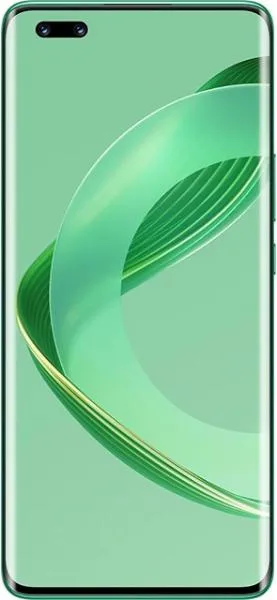
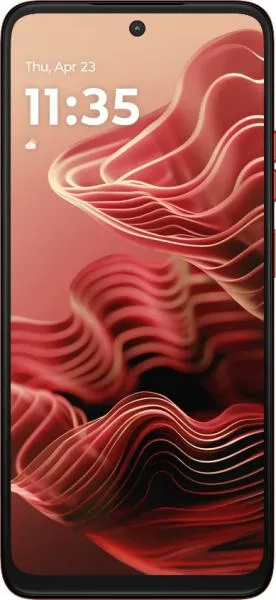
| Feature | Huawei nova 11 Pro | Motorola Moto G35 | Practical Impact |
|---|---|---|---|
| Design | |||
| Dimensions (mm) | 164.3 x 74.4 x 7.9 | 166.3 x 76 x 7.8 | Nova 11 Pro is slightly smaller and may feel more comfortable in hand. Negligible difference in thickness. |
| Weight (g) | 188 | 188 | Identical weight. |
| Build Materials | Missing | Missing | Cannot compare build quality and durability. |
| Display | |||
| Display Type | OLED | IPS LCD | Nova 11 Pro's OLED offers deeper blacks, higher contrast, and potentially better power efficiency. Moto G35's IPS LCD might offer better color accuracy in bright sunlight. |
| Display Size (inches) | 6.78 | 6.72 | Negligible difference in size. |
| Resolution | 1200 x 2652 | 1080 x 2400 | Nova 11 Pro has a significantly sharper display, resulting in clearer text and images. |
| Refresh Rate (Hz) | 120 | 120 | Both offer smooth scrolling and animations. |
| Peak Brightness (nits) | 950 | 1000 | Moto G35 might be slightly more readable in direct sunlight. |
| Performance | |||
| Chipset | Snapdragon 778G 4G (6 nm) | Unisoc T760 (6 nm) | Snapdragon 778G generally offers better performance and efficiency than the Unisoc T760. |
| CPU | Octa-core (4x2.4 GHz & 4x1.8 GHz) | Octa-core (1x2.2 GHz & 3x Cortex-A76 & 4x Cortex-A55) | Snapdragon 778G likely provides faster processing speeds for demanding tasks and multitasking. |
| GPU | Adreno 642L | Mali-G57 | Adreno 642L generally offers better gaming performance. |
| RAM | 6/8/12GB | 4/8GB | More RAM options for Nova 11 Pro, allowing for smoother multitasking, especially the 12GB variant. |
| OS | Missing | Android 14 | Cannot compare OS experience and features. Significant missing information for Nova 11 Pro. |
| Camera | |||
| Main Camera | 50MP, f/1.9 | 50MP, f/1.8 | Similar resolution, Moto G35 has a slightly wider aperture, potentially capturing more light in low-light conditions. Practical image quality depends on sensor and processing, which cannot be fully compared. |
| Ultrawide | 8MP, f/2.2 | 8MP, f/2.2 | Similar specifications; real-world performance depends on sensor quality and software processing. |
| Selfie Camera | 60MP, f/2.4 + 8MP Depth Sensor | 16MP, f/2.45 | Nova 11 Pro has a much higher resolution front camera and a dedicated depth sensor for better portrait mode. |
| Battery | |||
| Capacity (mAh) | 4500 | 5000 | Moto G35 has a larger battery, potentially offering longer battery life. |
2. Key Differences Analysis
Huawei nova 11 Pro Advantages:
- Superior Display: Sharper OLED display with richer colors and deeper blacks.
- Better Performance: More powerful processor and GPU for smoother multitasking and gaming.
- More RAM Options: Higher RAM options for demanding users.
- Advanced Selfie Camera: Higher resolution and depth sensor for improved selfies and video calls.
Motorola Moto G35 Advantages:
- Larger Battery: Potentially longer battery life.
- Lower Price: Significantly more affordable.
- Confirmed OS: Ships with Android 14, providing a known software experience.
3. User Profiles & Recommendations
Huawei nova 11 Pro: Users who prioritize display quality, performance, and camera capabilities, especially selfies. Suitable for gaming, media consumption, and content creation.
Motorola Moto G35: Budget-conscious users who prioritize battery life and a clean Android experience. Suitable for everyday tasks, social media, and light gaming.
4. Decision Framework
Key Questions:
- What is your budget? The Moto G35 is significantly cheaper.
- What are your priorities? Performance and display vs. battery life and affordability.
- What is your typical usage? Demanding tasks and gaming vs. casual use and communication.
Scenario-Based Recommendations:
- Heavy User: Nova 11 Pro for its performance and display.
- Budget User: Moto G35 for its affordability and battery life.
- Photographer/Content Creator: Nova 11 Pro for its camera capabilities, especially selfies.
My Choice: Motorola Moto G35
While the Nova 11 Pro boasts a superior display and performance, the lack of clear information regarding its operating system is a major concern. In the real world, software experience is crucial, and the uncertainty surrounding the Nova 11 Pro's OS (and potential lack of Google services) is a dealbreaker. The significant price difference further solidifies my choice. The Moto G35 offers a confirmed Android 14 experience, a large battery, and decent performance for everyday tasks at a much more affordable price. For the average user, the Moto G35 provides a more reliable and value-driven option. The Nova 11 Pro's advantages, while significant, are overshadowed by the OS uncertainty and higher price.
