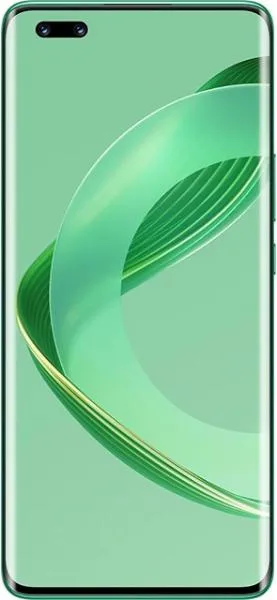
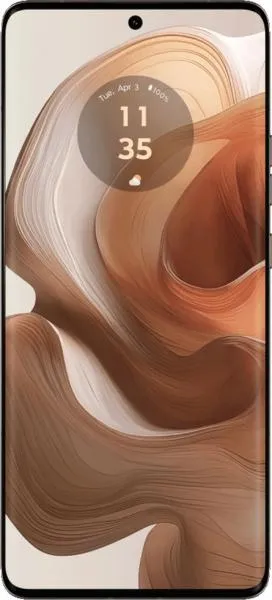
1. Specifications Comparison
| Feature | Huawei nova 11 Pro | Motorola Edge 50 Ultra | Practical Impact |
|---|---|---|---|
| Design | |||
| Dimensions (mm) | 164.3 x 74.4 x 7.9 | 161.1 x 72.4 x 8.6 | Motorola is slightly shorter, narrower, but thicker. Negligible difference in hand feel. |
| Weight (g) | 188 | 197 | Huawei is slightly lighter, but both are within the typical range for this size. |
| Display | |||
| Display Type | OLED | p-OLED | Both offer excellent contrast and deep blacks. p-OLED might be slightly more power efficient. |
| Display Size (inches) | 6.78 | 6.7 | Negligible difference in screen real estate. |
| Resolution | 1200 x 2652 | 1220 x 2712 | Motorola has a slightly higher resolution, but both are sharp and detailed at this size. |
| Refresh Rate (Hz) | 120 | 144 | Motorola offers smoother scrolling and animations, especially noticeable in games. |
| Peak Brightness (nits) | 950 | 2500 | Motorola offers significantly higher peak brightness, making it much more usable in direct sunlight. |
| Performance | |||
| Chipset | Snapdragon 778G 4G (6nm) | Snapdragon 8s Gen 3 (4nm) | Motorola has a significantly more powerful processor, resulting in much faster performance for demanding tasks and gaming. |
| CPU | Octa-core (4x2.4 GHz & 4x1.8 GHz) | Octa-core (1x3.0 GHz & 4x2.8 GHz & 3x2.0 GHz) | Motorola's CPU offers superior performance in multi-tasking and demanding applications. |
| GPU | Adreno 642L | Adreno 735 | Motorola's GPU provides a substantial improvement in gaming performance and graphics rendering. |
| RAM (GB) | 6/8/12 | 12/16 | Motorola offers more RAM in its configurations, allowing for better multitasking and smoother performance with many apps open. |
| OS | Unknown | Android 14 (upgradable to 17) | Motorola has a clear advantage with a defined OS and guaranteed updates, providing a more secure and feature-rich experience. Huawei's lack of OS information is a major drawback. |
| Camera | |||
| Main Camera (MP) | 50 | 50 | Comparable resolution, but sensor details for Huawei are missing, making a detailed comparison impossible. |
| Ultrawide (MP) | 8 | 50 | Motorola offers a much higher resolution ultrawide camera, capturing more detail and offering better low-light performance. |
| Telephoto (MP) | N/A | 64 | Motorola has a dedicated telephoto lens, enabling optical zoom for clearer distant shots. |
| Selfie (MP) | 60 | 50 | Huawei has a higher resolution front camera, but practical image quality depends on sensor and software processing, which cannot be fully assessed. |
| Video Capabilities | 720p@960fps | Up to 4K@60fps, 1080p@960fps | Motorola offers superior video recording capabilities with higher resolutions and frame rates. |
| Battery | |||
| Capacity (mAh) | 4500 | 4500 | Identical battery capacity. Actual battery life will depend on software optimization and usage patterns. |
2. Key Differences Analysis
Motorola Edge 50 Ultra Advantages:
- Significantly more powerful processor: The Snapdragon 8s Gen 3 offers a huge performance advantage for demanding tasks, gaming, and future-proofing.
- Higher refresh rate display: Smoother animations and scrolling contribute to a more premium feel.
- Brighter Display: Far superior usability in sunlight.
- Guaranteed Android updates: Ensures security and new features for years to come.
- Superior camera system: Higher resolution ultrawide and the presence of a telephoto lens provide greater versatility.
- More RAM: Better multitasking and smoother performance.
- USB 3.1 Gen 2 with DisplayPort: Faster data transfer and video output capabilities.
Huawei nova 11 Pro Potential Advantages:
- Slightly lighter: Might be preferable for some users, though the difference is minimal.
- Potentially better selfie camera: Higher resolution, but image quality is undetermined due to lack of sensor details.
3. User Profiles & Recommendations
Motorola Edge 50 Ultra: Ideal for users who prioritize performance, gaming, a future-proof device with guaranteed updates, a versatile camera system, and a bright, vibrant display. Excellent for power users, photographers, and videographers.
Huawei nova 11 Pro: Potentially suitable for users who prioritize a lightweight phone and heavily rely on selfie photos. However, the lack of clear OS information and the significantly weaker processor make it a risky choice.
4. Decision Framework
Key Questions for Buyers:
- What is your budget and how important is long-term software support?
- What are your primary use cases (e.g., gaming, photography, everyday tasks)?
- How important is raw performance versus battery life and other features?
Scenario-Based Recommendations:
- Gamer/Power User: Motorola Edge 50 Ultra is the clear choice.
- Casual User: Motorola Edge 50 Ultra still offers better value due to its superior performance and longevity.
- Budget-Conscious User: While both are in the "medium price" range, specific pricing should be compared. However, the Motorola's superior feature set makes it a better long-term investment.
My Choice: Motorola Edge 50 Ultra
The Motorola Edge 50 Ultra is the significantly better choice due to its vastly superior processor, guaranteed Android updates, more versatile camera system with a telephoto lens, higher refresh rate and brighter display, and more RAM. While the Huawei Nova 11 Pro might be slightly lighter, the lack of crucial information about its operating system and weaker overall specifications makes it a less desirable option. The Motorola offers better value and a significantly improved user experience in almost every aspect. The performance gap alone makes the Motorola the winner, as it ensures a smoother and more future-proof experience. Furthermore, the brighter display and inclusion of a telephoto lens significantly enhance practical usability.
