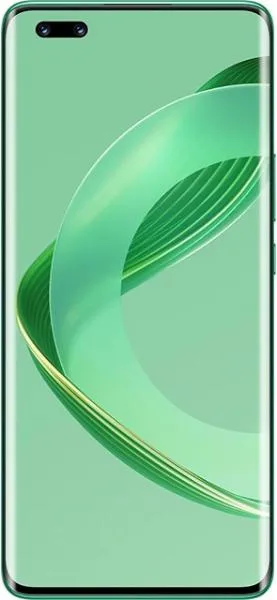
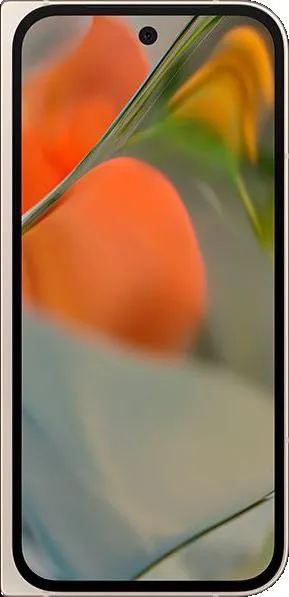
1. Specifications Comparison
| Feature | Huawei nova 11 Pro | Google Pixel 9 Pro Fold | Practical Impact |
|---|---|---|---|
| Design | |||
| Dimensions (mm) | 164.3 x 74.4 x 7.9 | 155.2 x 150.2 x 5.1 | Pixel 9 Pro Fold is significantly wider due to its foldable design, potentially less pocketable but more compact when folded. Nova 11 Pro is thinner and lighter. |
| Weight (g) | 188 | 257 | Nova 11 Pro is noticeably lighter for comfortable one-handed use. |
| Foldable | No | Yes | Pixel offers a larger screen in a potentially more portable form factor when folded. |
| Display | |||
| Display Size (inches) | 6.78 | 8 (unfolded) | Pixel offers a larger screen real estate for multitasking and media consumption when unfolded. |
| Display Type | OLED, 120Hz | Foldable LTPO OLED, 120Hz | Both offer smooth scrolling and animations. LTPO on Pixel potentially allows for more power-efficient variable refresh rate, although this is not confirmed as is_ltpo is false. |
| Resolution | 1200 x 2652 | 2076 x 2152 (unfolded), 1080 x 2424 (cover display, inferred from screenDetail) | Pixel has a higher resolution when unfolded, resulting in sharper images and text. The Nova 11 Pro's taller aspect ratio may be better suited for some content consumption. |
| Performance | |||
| Chipset | Snapdragon 778G 4G (6 nm) | Google Tensor G4 (4 nm) | Tensor G4 is expected to offer significantly better performance and AI capabilities. |
| CPU | Octa-core (4x2.4 GHz Kryo 670 & 4x1.8 GHz Kryo 670) | Octa-core (1x3.1 GHz Cortex-X4 & 3x2.6 GHz Cortex-A720 & 4x1.92 GHz Cortex-A520) | Pixel has a more powerful and modern CPU architecture. |
| GPU | Adreno 642L | Mali-G715 MC7 | Pixel's GPU is expected to provide better gaming and graphics performance. |
| RAM | 6GB/8GB/12GB (depending on version) | 16GB | Pixel offers significantly more RAM, enabling smoother multitasking and better performance with demanding apps. |
| Camera | |||
| Rear Camera | 50MP Main, 8MP Wide + Macro | 48MP Main, 10.5MP Wide, 10.8MP Telephoto | Pixel offers a more versatile camera system with a dedicated telephoto lens for optical zoom. |
| Front Camera | 60MP Main, 8MP Depth | 10 MP | While Nova 11 Pro boasts a higher resolution front camera, Pixel's camera quality historically excels due to Google's computational photography. |
| Video Capabilities | 720p@960fps | Up to 4K@60fps with HDR, OIS, EIS | Pixel offers superior video recording capabilities with higher resolution, frame rates, and stabilization. |
| Battery | |||
| Capacity | 4500 mAh | 4650 mAh | Pixel has a slightly larger battery capacity, potentially offering longer battery life. Foldable design and larger, brighter screen may negatively impact this. |
2. Key Differences Analysis
Huawei nova 11 Pro Advantages:
- Lighter and Thinner: More comfortable for one-handed use and pocket portability.
- Potentially More Affordable: Belongs to a medium price range compared to Pixel's high price range.
- Higher Resolution Front Camera: May appeal to selfie enthusiasts, though image quality depends on more than resolution.
Google Pixel 9 Pro Fold Advantages:
- Foldable Design: Offers a larger screen when needed and a more compact form factor when folded.
- Significantly More Powerful: Superior performance in demanding tasks, multitasking, and gaming due to a newer chipset, more powerful CPU/GPU, and more RAM.
- More Versatile Camera System: Dedicated telephoto lens enables optical zoom, and Google's computational photography generally results in excellent image quality.
- More Up-to-Date Software: Runs the latest Android version with guaranteed future updates.
- Brighter Display: Pixel's peak brightness is significantly higher, improving outdoor visibility.
Trade-offs:
- Price: Pixel 9 Pro Fold's advanced features come at a significantly higher price.
- Size and Weight: The foldable design makes the Pixel heavier and wider.
- Software & Ecosystem: Huawei's lack of Google services may be a significant drawback for some users.
3. User Profiles & Recommendations
Huawei nova 11 Pro: Users on a budget who prioritize a lightweight, thin phone with a good front-facing camera and are comfortable with Huawei's app ecosystem.
Google Pixel 9 Pro Fold: Users who value cutting-edge technology, top-tier performance, a versatile camera system, the latest software, and the flexibility of a foldable screen. Power users, content creators, and multitaskers would benefit most.
4. Decision Framework
Key Questions for Buyers:
- What is your budget? The Pixel is significantly more expensive.
- Is a foldable screen important to you? This is the Pixel's defining feature.
- What are your performance needs? For demanding tasks and gaming, the Pixel is far superior.
My Choice: Google Pixel 9 Pro Fold
While significantly more expensive, the Pixel 9 Pro Fold offers a compelling combination of cutting-edge features and performance. The foldable design, powerful hardware, versatile camera system, and guaranteed software updates make it a future-proof device. Although heavier, the benefits of the larger screen and superior performance outweigh the portability trade-off for my needs. The Huawei, while more affordable and lighter, lacks the performance and long-term software support crucial for a satisfying user experience in the long run. I prioritize performance, software updates, and a future-proof device, making the Pixel the clear winner for me.
