
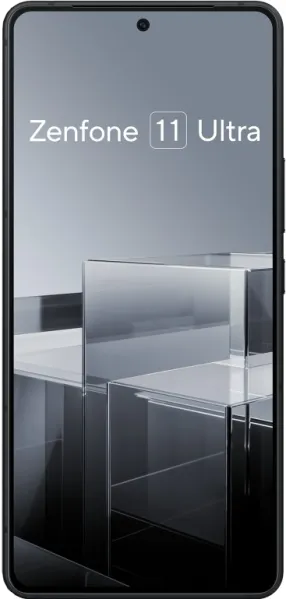
1. Specifications Comparison
| Feature | Huawei nova 11 Pro | Asus Zenfone 11 Ultra | Practical Impact |
|---|---|---|---|
| Design | |||
| Dimensions (mm) | 164.3 x 74.4 x 7.9 | 163.8 x 76.8 x 8.9 | Zenfone 11 Ultra is slightly wider and thicker. Nova 11 Pro is thinner and potentially more pocketable. |
| Weight (g) | 188 | 224 | Nova 11 Pro is significantly lighter, reducing hand fatigue during extended use. |
| Display | |||
| Size (inches) | 6.78 | 6.78 | Same display size. |
| Resolution (px) | 1200 x 2652 | 1080 x 2400 | Nova 11 Pro has a sharper display with higher pixel density, resulting in crisper text and images. |
| Type | OLED, 120Hz | LTPO AMOLED, 144Hz | Both are high-quality displays. Zenfone's LTPO panel allows for variable refresh rate, potentially saving battery. Its higher peak brightness (2500 nits vs 950 nits) ensures better outdoor visibility. |
| Performance | |||
| Chipset | Snapdragon 778G 4G (6 nm) | Snapdragon 8 Gen 3 (4 nm) | Zenfone 11 Ultra boasts a significantly more powerful processor, leading to much smoother performance in demanding tasks and games. |
| CPU | Octa-core (4x2.4 GHz & 4x1.8 GHz) | Octa-core (1x3.3 GHz & 3x3.2 GHz & 2x3.0 GHz & 2x2.3 GHz) | Zenfone 11 Ultra has a more powerful and efficient CPU architecture. |
| GPU | Adreno 642L | Adreno 750 | Zenfone 11 Ultra has a more powerful GPU, enabling higher frame rates in games and faster graphics rendering. |
| RAM | 6GB/8GB/12GB | 12GB/16GB | Zenfone 11 Ultra offers more RAM in its configurations, enabling better multitasking and smoother performance with memory-intensive applications. |
| Camera | |||
| Rear Camera | 50MP (Main) + 8MP (Wide/Macro) | 50MP (Main) + 13MP (Wide) + 32MP (Telephoto) | Zenfone 11 Ultra features a triple camera setup with a dedicated telephoto lens, offering optical zoom capabilities. It also has superior video recording capabilities (up to 8K). |
| Front Camera | 60MP (Main) + 8MP (Depth) | 32MP | Nova 11 Pro has a higher resolution front camera. However, megapixels alone don't determine image quality. Sensor size and processing are crucial. |
| Battery | |||
| Capacity (mAh) | 4500 | 5500 | Zenfone 11 Ultra has a significantly larger battery capacity, likely translating to longer battery life. |
2. Key Differences Analysis
Huawei nova 11 Pro Advantages:
- Lighter and Slimmer: More comfortable for one-handed use and portability.
- Sharper Display: Higher resolution for crisper visuals.
Asus Zenfone 11 Ultra Advantages:
- Significantly More Powerful: Superior performance for demanding tasks and gaming due to a much more powerful chipset and more RAM.
- Better Display Technology: LTPO AMOLED with higher refresh rate and peak brightness for smoother visuals and better outdoor visibility.
- More Versatile Camera System: Triple camera setup with telephoto lens for optical zoom and 8K video recording.
- Larger Battery: Longer battery life.
3. User Profiles & Recommendations
Huawei nova 11 Pro: Users prioritizing a lightweight and stylish phone for everyday tasks, social media, and casual photography. Price sensitive users looking for a good display.
Asus Zenfone 11 Ultra: Users who demand top-tier performance for gaming, content creation, and heavy multitasking. Users who prioritize camera versatility and long battery life.
4. Decision Framework
Key Questions for Buyers:
- What is your budget? Both phones are in the medium price range, but specific configurations may vary.
- What is your primary use case? (e.g., gaming, photography, social media)
- How important is battery life and performance?
Scenario-Based Recommendations:
- Gamer: Zenfone 11 Ultra is the clear choice due to its powerful hardware.
- Photographer/Videographer: Zenfone 11 Ultra offers a more versatile camera system with optical zoom and 8K video.
- Casual User: Nova 11 Pro might suffice if budget is a major concern and top-tier performance isn't necessary.
My Choice: Asus Zenfone 11 Ultra
While the Huawei Nova 11 Pro offers a sleek and lightweight design with a sharp display, the Asus Zenfone 11 Ultra's superior performance, versatile camera system, larger battery, and advanced display technology make it the better overall choice for me. The Snapdragon 8 Gen 3 chip and ample RAM ensure a smooth and future-proof experience. The telephoto lens and 8K video recording capabilities significantly enhance the photographic experience. While the Zenfone 11 Ultra is heavier, the benefits in performance and features outweigh the slight increase in size and weight for my usage. I prioritize performance and long-term usability, making the Zenfone 11 Ultra the clear winner.
