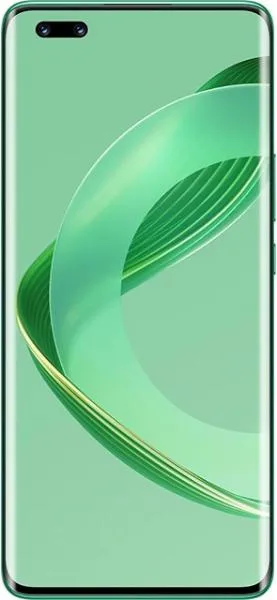
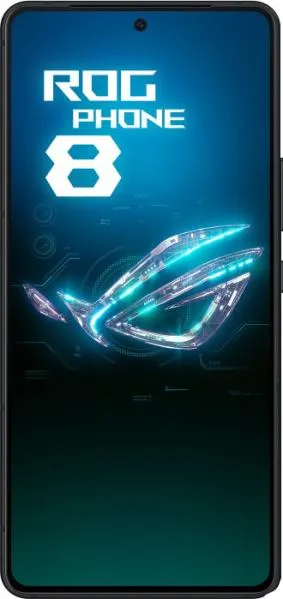
1. Specifications Comparison
| Feature | Huawei nova 11 Pro | Asus ROG Phone 8 | Practical Impact |
|---|---|---|---|
| Design | |||
| Dimensions (mm) | 164.3 x 74.4 x 7.9 | 163.8 x 76.8 x 8.9 | ROG Phone 8 is slightly wider and thicker. Nova 11 Pro is thinner and lighter. |
| Weight (g) | 188 | 225 | Nova 11 Pro is noticeably lighter, improving one-handed use. |
| Display | |||
| Size (inches) | 6.78 | 6.78 | Same size. |
| Resolution | 1200 x 2652 | 1080 x 2400 | Nova 11 Pro has a sharper display with higher pixel density, resulting in crisper text and images. |
| Refresh Rate (Hz) | 120 | 165 | ROG Phone 8's higher refresh rate provides smoother animations and scrolling, especially beneficial for gaming. |
| Display Type | OLED | LTPO AMOLED | Both offer excellent color and contrast. ROG Phone 8's LTPO panel allows for variable refresh rate, potentially saving battery. |
| Peak Brightness (nits) | 950 | 2500 | ROG Phone 8 is significantly brighter, ensuring better visibility outdoors. |
| Performance | |||
| Chipset | Snapdragon 778G 4G (6 nm) | Snapdragon 8 Gen 3 (4 nm) | ROG Phone 8 boasts a significantly more powerful processor and GPU, enabling smoother multitasking, demanding gaming, and faster app loading. |
| CPU | Octa-core (4x2.4 GHz & 4x1.8 GHz) | Octa-core (1x3.3 GHz & 3x3.2 GHz & 2x3.0 GHz & 2x2.3 GHz) | ROG Phone 8's CPU architecture and clock speeds offer superior performance. |
| GPU | Adreno 642L | Adreno 750 | ROG Phone 8's GPU delivers significantly better graphics performance for gaming and media consumption. |
| RAM (GB) | 6/8/12 | 12/16 | ROG Phone 8 offers more RAM in its base configuration, enabling better multitasking and smoother performance with demanding applications. |
| Camera | |||
| Main Camera (MP) | 50 | 50 | Similar resolution, but sensor details are incomplete for comparison. |
| Ultrawide (MP) | 8 | 13 | ROG Phone 8 has a higher resolution ultrawide camera. |
| Macro (MP) | N/A | 5 | ROG Phone 8 includes a dedicated macro lens. |
| Selfie (MP) | 60 | 32 | Nova 11 Pro has a much higher resolution selfie camera. |
| Video | 720p@960fps | 8K@24fps | ROG Phone offers superior video recording capabilities with higher resolution and frame rate options. |
| Battery | |||
| Capacity (mAh) | 4500 | 5500 | ROG Phone 8 has a larger battery, potentially offering longer battery life. |
2. Key Differences Analysis
Huawei nova 11 Pro Advantages:
- Lighter and Thinner: Offers better portability and one-handed usability.
- Sharper Display: Higher pixel density provides a crisper viewing experience.
- Higher Resolution Selfie Camera: Captures more detailed self-portraits.
Asus ROG Phone 8 Advantages:
- Significantly More Powerful: Superior CPU and GPU performance for demanding tasks and gaming.
- Higher Refresh Rate Display: Smoother visuals and improved responsiveness.
- Brighter Display: Better visibility in outdoor environments.
- Larger Battery: Potentially longer battery life.
- More Comprehensive Camera System: Includes a dedicated macro lens and superior video capabilities.
- More RAM: Improved multitasking and performance with demanding applications.
- Latest Android Version: Ensures longer software support and access to newer features.
3. User Profiles & Recommendations
Huawei nova 11 Pro: Users prioritizing a lightweight, stylish design with a great selfie camera. Suitable for everyday tasks, social media, and moderate gaming.
Asus ROG Phone 8: Power users, mobile gamers, and content creators who demand top-tier performance, a smooth and responsive display, and advanced camera features.
4. Decision Framework
Key Questions for Buyers:
- What is your budget and what level of performance do you need? The ROG Phone 8 commands a higher price for its flagship performance.
- What are your primary use cases? Gaming, content creation, or everyday tasks?
- What features are most important to you? Camera quality, battery life, display quality, or portability?
My Choice: Asus ROG Phone 8
While the Nova 11 Pro offers a sleek design and excellent selfie camera, the ROG Phone 8 is the superior device overall. Its significantly more powerful processor, higher refresh rate and brighter display, larger battery, and more versatile camera system make it a clear winner for me. I prioritize performance and a future-proof device, and the ROG Phone 8 delivers in those areas. The extra weight is a minor trade-off for the significant performance gains. While the Nova 11 Pro might be a good choice for casual users, the ROG Phone 8 caters to my need for a powerful and feature-rich device. The longer software update cycle offered by a newer Android version is also a significant factor in my decision.
