1. Specifications Comparison
| Feature | Huawei Mate X3 | Xiaomi 14T | Practical Impact |
|---|---|---|---|
| Design | |||
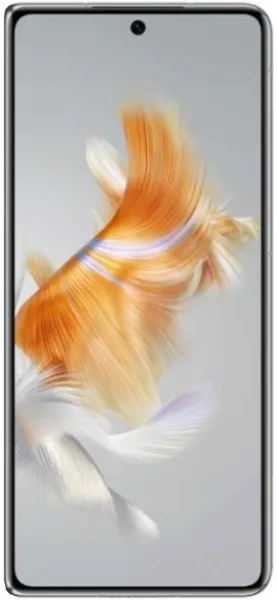
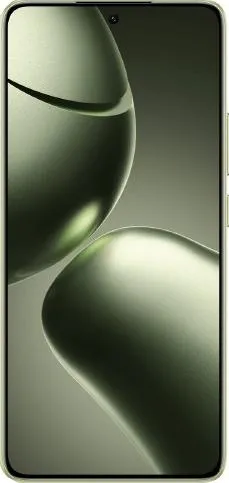
| Dimensions (mm) | 156.9 x 141.5 x 5.3 (folded) | 160.5 x 75.1 x 7.8 | Mate X3 significantly thinner and slightly shorter when folded, but wider; 14T more pocketable when unfolded. |
| Weight (g) | 239 | 193 | 14T noticeably lighter for one-handed use. |
| Foldable | Yes | No | Mate X3 offers larger screen real estate and unique form factor but with added bulk. |
| Display | |||
| Size (inches) | 7.85 (unfolded) | 6.67 | Mate X3 provides a significantly larger screen for multitasking and media consumption when unfolded. |
| Resolution (px) | 2224 x 2496 | 1220 x 2712 | Both offer sharp displays, but Mate X3's larger size and aspect ratio are better suited for productivity. |
| Refresh Rate (Hz) | 120 | 144 | 14T offers smoother scrolling and animations, especially noticeable in gaming. |
| Display Type | Foldable OLED | AMOLED | Mate X3's folding screen allows for a tablet-like experience; 14T boasts HDR10+, Dolby Vision and higher peak brightness for superior HDR content. |
| Performance | |||
| Chipset | Snapdragon 8+ Gen 1 4G | Dimensity 8300 Ultra | Both are powerful chips, but benchmarks would be needed to compare real-world performance differences. |
| CPU | Octa-core (1x3.19 GHz Cortex-X2 & 3x2.75 GHz Cortex-A710 & 4x2.0 GHz Cortex-A510) | Octa-core (1x3.35 GHz Cortex-A715 & 3x3.20 GHz Cortex-A715 & 4x2.20 GHz Cortex-A510) | CPU architectures differ slightly; practical performance differences need benchmarking. |
| GPU | Adreno 730 | Mali G615-MC6 | Adreno 730 generally considered more powerful, but real-world gaming performance needs comparison. |
| RAM (GB) | 8/12 | 12 | Both offer ample RAM for multitasking; 14T's 12GB is beneficial for demanding applications. |
| Camera | |||
| Main Camera (MP) | 50 | 50 | Similar resolution, but sensor models differ (Sony IMX766 vs. Sony IMX906) impacting image quality. Detailed comparison requires camera samples. |
| Telephoto (MP) | 16 | 50 | 14T has a significantly higher resolution telephoto lens, enabling better zoom capabilities. |
| Ultrawide (MP) | 12 | 13 | Similar ultrawide capabilities. |
| Battery | |||
| Capacity (mAh) | 4800 | 5000 | 14T offers slightly larger battery capacity, potentially leading to longer battery life. |
2. Key Differences Analysis
Huawei Mate X3 Advantages:
- Foldable Form Factor: Offers a larger screen for multitasking and media consumption in a portable device.
- Thinner Design (Folded): More compact when folded compared to traditional smartphones.
Xiaomi 14T Advantages:
- Lighter and More Pocketable: Easier for one-handed use and carrying.
- Higher Refresh Rate Display: Smoother scrolling and more responsive gaming experience.
- Larger Battery Capacity: Potentially longer battery life.
- Superior Telephoto Lens: Significantly better zoom capabilities.
- Lower Price: Offers excellent value for its specifications.
- 5G Connectivity: Future-proofed for faster mobile data speeds.
- HDR10+ and Dolby Vision: Enhanced visual experience for HDR content.
Trade-offs:
- Mate X3: Higher price for the foldable technology, potentially compromised durability due to the folding screen, lacks 5G.
- Xiaomi 14T: Lacks the unique form factor and larger screen real estate of a foldable phone. USB 2.0 is a significant downgrade compared to USB 3.1.
3. User Profiles & Recommendations
Huawei Mate X3 Ideal User: Professionals or power users who value a larger screen for multitasking and portability, willing to pay a premium for the foldable form factor. Use Cases: Content creation, presentations, on-the-go productivity.
Xiaomi 14T Ideal User: Users seeking a powerful, feature-rich smartphone with a great display and camera at a competitive price. Use Cases: Gaming, media consumption, everyday photography.
4. Decision Framework
Key Questions for Buyers:
- Is a foldable screen a priority? Are you willing to pay a premium for the larger screen and unique form factor, accepting potential trade-offs in durability and cost?
- What is your budget? The Mate X3 is significantly more expensive.
- What are your primary use cases? Consider whether you prioritize multitasking and productivity (Mate X3) or media consumption, gaming, and all-around performance (14T).
My Choice: Xiaomi 14T
While the Mate X3's folding screen is intriguing, the Xiaomi 14T offers a more compelling overall package for my needs. Its combination of powerful performance, excellent display with HDR10+ and Dolby Vision, strong camera system with a superior telephoto lens, larger battery, and significantly lower price makes it a clear winner. The lack of 5G on the Mate X3 is also a major drawback in 2023/2024. Although the USB 2.0 on the 14T is a letdown, I prioritize the overall value and user experience that the 14T provides. As a smartphone analyst focused on practical usage, the 14T strikes a better balance between features, performance, and price.
