1. Specifications Comparison
| Feature | Huawei Mate X3 | Xiaomi 14 | Practical Impact |
|---|---|---|---|
| Design | |||
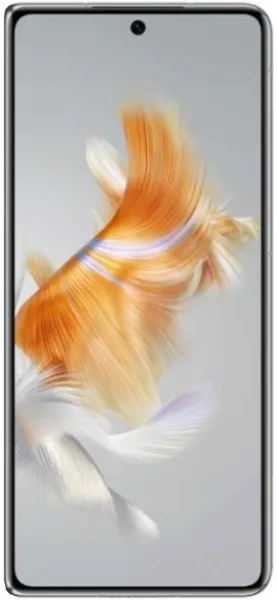
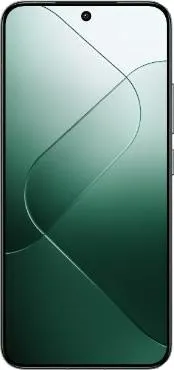
| Dimensions (mm) | 156.9 x 141.5 x 5.3 (unfolded) | 152.8 x 71.5 x 8.2 | Mate X3 significantly larger unfolded, but thinner and potentially more pocketable when folded. Xiaomi 14 is a more traditional candybar design. |
| Weight (g) | 239 | 188 | Mate X3 noticeably heavier due to folding mechanism and larger display. |
| Foldable | Yes | No | Mate X3 offers a larger screen real estate for multitasking and media consumption but with added complexity and potential durability concerns. |
| Display | |||
| Size (inches) | 7.85 (unfolded) | 6.36 | Mate X3 provides a tablet-like experience when unfolded. Xiaomi 14 has a more standard smartphone screen size. |
| Resolution (px) | 2224 x 2496 | 1200 x 2670 | Both offer sharp displays, but Mate X3's unfolded size provides more overall pixel real estate. |
| Type | Foldable OLED | LTPO OLED | Xiaomi 14's LTPO panel allows for dynamic refresh rate adjustment, potentially saving battery. |
| Refresh Rate (Hz) | 120 | 120 | Both offer smooth scrolling and animations. |
| HDR | No HDR10/10+ or Dolby Vision specified | HDR10+, Dolby Vision | Xiaomi 14 offers superior HDR support for compatible content, resulting in better contrast and color accuracy. |
| Performance | |||
| Chipset | Snapdragon 8+ Gen 1 4G | Snapdragon 8 Gen 3 | Xiaomi 14 features a newer, more powerful and efficient processor, resulting in better performance and potentially longer battery life. |
| CPU | Octa-core (up to 3.19 GHz) | Octa-core (up to 3.3 GHz) | Xiaomi 14 has a slight edge in CPU clock speed. |
| GPU | Adreno 730 | Adreno 750 | Xiaomi 14 has a more powerful GPU, beneficial for gaming and graphically demanding tasks. |
| RAM | 8/12GB | 8/12/16GB | Both offer ample RAM, but Xiaomi 14 provides a 16GB option for extreme multitasking. |
| Camera | |||
| Main Camera (MP) | 50 | 50 | Comparable resolution, but sensor details suggest Xiaomi 14 may have a larger sensor (1/1.31" vs 1/1.56"), potentially capturing more light. |
| Video Capabilities | Up to 4K@60fps with EIS | Up to 8K@24fps with HDR, EIS | Xiaomi 14 offers higher resolution video recording and HDR support in video. |
| Battery | |||
| Capacity (mAh) | 4800 | 4610 | Mate X3 has slightly larger battery capacity, but real-world battery life depends on usage and efficiency of the processor and display. |
2. Key Differences Analysis
Huawei Mate X3 Advantages:
- Larger Screen Real Estate: The foldable design provides a significant advantage for multitasking, media consumption, and productivity.
- Slightly Larger Battery: Potentially longer battery life, but real-world performance depends on usage.
Xiaomi 14 Advantages:
- Superior Performance: Newer and more powerful processor and GPU for smoother performance and better gaming.
- Better Display Technology: LTPO panel for improved power efficiency and superior HDR support.
- 5G Connectivity: Supports faster cellular data speeds.
- Lower Price: Significantly more affordable.
- More Advanced Camera Features: 8K video recording, HDR video recording, and potentially better low-light performance due to a larger main camera sensor.
Trade-offs:
- Foldable vs. Traditional: Mate X3's foldability offers unique advantages but comes with increased weight, complexity, and potential durability concerns. Xiaomi 14 offers a more familiar and potentially more robust design.
3. User Profiles & Recommendations
Huawei Mate X3: Users who prioritize a large screen for productivity and media consumption and are willing to pay a premium for the foldable form factor. Suitable for professionals, content creators, and heavy media consumers.
Xiaomi 14: Users seeking a powerful, feature-rich smartphone with excellent performance, display, and camera capabilities at a more affordable price. Suitable for a wide range of users, including gamers, photographers, and general smartphone users.
4. Decision Framework
Key Questions for Buyers:
- How important is screen size and foldability?
- What is your budget?
- What are your primary use cases (e.g., gaming, photography, productivity)?
Scenario-Based Recommendations:
- Limited Budget, Focus on Performance: Xiaomi 14
- Prioritize Large Screen and Multitasking, Budget Not a Constraint: Huawei Mate X3
My Choice: Xiaomi 14
While the Huawei Mate X3's foldable screen is impressive, the Xiaomi 14 offers a more compelling overall package for my needs. The significantly lower price, combined with the superior performance, newer display technology with HDR support, 5G connectivity, and advanced camera features, makes it a clear winner for me. I value a smooth and responsive user experience, long battery life, and high-quality content consumption, all of which the Xiaomi 14 excels at. While the Mate X3's large screen is appealing, I don't believe the benefits outweigh the added cost, weight, and potential durability concerns associated with a foldable device. The Xiaomi 14 strikes a better balance between features, performance, and price.
