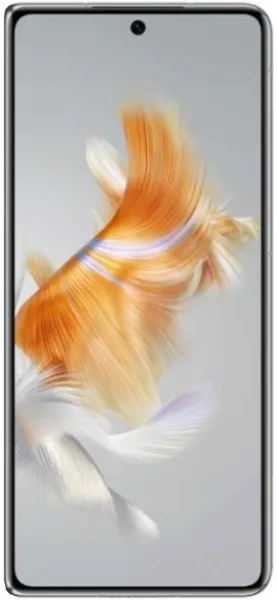
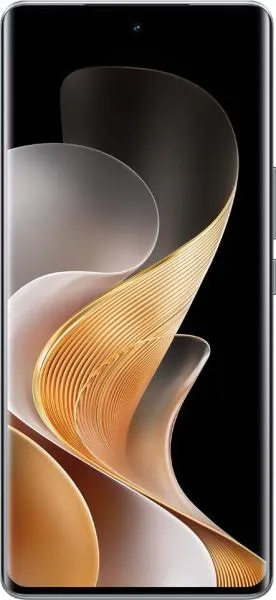
1. Specifications Comparison
| Feature | Huawei Mate X3 | vivo V40 | Practical Impact |
|---|---|---|---|
| Design | |||
| Dimensions (mm) | 156.9 x 141.5 x 5.3 (folded) | 164.2 x 75 x 7.6 | Mate X3 significantly more compact when folded, but thicker; vivo V40 thinner and more pocketable when unfolded. |
| Weight (g) | 239 | 190 | Vivo V40 noticeably lighter for everyday use. |
| Foldable | Yes | No | Mate X3 offers larger screen real estate and multitasking capabilities; vivo V40 is a traditional slab phone design. |
| Display | |||
| Display Size (inches) | 7.85 (unfolded) | 6.78 | Mate X3 provides a tablet-like experience when unfolded; vivo V40 has a large but standard smartphone screen size. |
| Resolution (px) | 2224 x 2496 | 1260 x 2800 | Mate X3 has a higher resolution, potentially sharper image, especially beneficial on the larger unfolded screen; vivo V40's resolution is still sharp for its size. |
| PPI | 426 | 453 | Vivo V40 slightly sharper due to higher pixel density, but difference minimal in practice. |
| Refresh Rate (Hz) | 120 | 120 | Both offer smooth scrolling and animations. |
| Display Type | Foldable OLED | AMOLED | Mate X3's folding screen introduces a crease and potential durability concerns; vivo V40 utilizes a mature AMOLED technology. |
| Peak Brightness (nits) | Not specified | 4500 | Vivo V40's significantly higher peak brightness ensures better outdoor visibility. Missing data for Mate X3 limits comparison. |
| Performance | |||
| Chipset | Snapdragon 8+ Gen 1 4G | Snapdragon 7 Gen 3 | Mate X3 boasts a flagship-level processor for demanding tasks and gaming; vivo V40 uses a mid-range chip offering good performance but not as powerful. |
| CPU | Octa-core (up to 3.19 GHz) | Octa-core (up to 2.63 GHz) | Mate X3's CPU has higher clock speeds, translating to faster processing for demanding applications. |
| GPU | Adreno 730 | Adreno 720 | Mate X3's GPU provides better graphics performance for gaming and visually intensive tasks. |
| RAM (GB) | 8/12 | 12 | Vivo V40 offers more RAM in the specified variant, beneficial for multitasking and keeping apps in memory; Note: Mate X3 has other variants with 12GB RAM but wasn't specified in the query. |
| Camera | |||
| Main Camera (MP) | 50 | 50 | Comparable megapixel count; image quality depends on sensor size, processing, and other factors not fully detailed. |
| Additional Cameras | Wide, Telephoto | Wide | Mate X3 offers more versatile camera setup with telephoto capabilities. |
| Battery | |||
| Capacity (mAh) | 4800 | 5500 | Vivo V40 has a larger battery capacity, potentially leading to longer battery life. |
2. Key Differences Analysis
Huawei Mate X3 Advantages:
- Foldable Design: Offers a larger screen for productivity and media consumption.
- Flagship Performance: Snapdragon 8+ Gen 1 ensures top-tier performance.
- More Versatile Camera System: Telephoto lens adds zoom capabilities.
vivo V40 Advantages:
- Lighter and Thinner: More comfortable for one-handed use and portability.
- Larger Battery: Potentially longer battery life.
- Lower Price: Offers good value for its features.
- 5G Connectivity: Future-proofed for faster mobile data speeds.
3. User Profiles & Recommendations
Huawei Mate X3: Ideal for users who prioritize a large screen for multitasking, media consumption, and productivity on the go and are willing to pay a premium. Use cases include:
- Professionals who need a portable workstation.
- Content creators who edit photos and videos on their phone.
- Users who consume a lot of media and appreciate a large screen.
vivo V40: Ideal for users who want a sleek, lightweight phone with good performance and a long-lasting battery at a more affordable price. Use cases include:
- Everyday users who prioritize social media, browsing, and communication.
- Gamers who want a smooth gaming experience without breaking the bank.
- Users who need a reliable phone with excellent battery life.
4. Decision Framework
Key Questions for Buyers:
- Budget: Are you willing to pay a premium for a foldable phone?
- Priority Features: Is a large, foldable screen or longer battery life more important?
- Performance Needs: Do you require flagship-level performance for demanding tasks or is a mid-range chip sufficient?
Scenario-Based Recommendations:
- Limited Budget: Vivo V40 offers better value.
- Maximum Productivity: Huawei Mate X3's foldable screen provides a significant advantage.
- Heavy Gaming: Mate X3's superior processor and GPU are recommended.
My Choice: vivo V40
While the Huawei Mate X3 is undeniably innovative, the vivo V40 offers a more practical and balanced package for my personal needs. The significantly lower price, lighter weight, slimmer profile, larger battery, and 5G connectivity outweigh the benefits of a foldable screen for my everyday usage. I prioritize portability, battery life, and value, making the vivo V40 a more compelling choice. I don't require the absolute highest processing power, and the vivo V40's Snapdragon 7 Gen 3 is more than capable of handling my typical workload. Furthermore, the lack of clear specifications on the Mate X3's screen brightness raises concerns, especially given the vivo V40's excellent outdoor visibility. The price difference is substantial, and the vivo V40 provides excellent features for its price point.
