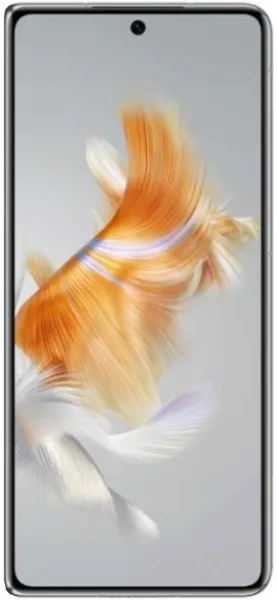

1. Specifications Comparison
| Feature | Huawei Mate X3 | OnePlus 12R | Practical Impact |
|---|---|---|---|
| Design | |||
| Dimensions (mm) | 156.9 x 141.5 x 5.3 (folded) | 163.3 x 75.3 x 8.8 | Mate X3 significantly thinner and slightly smaller when folded, but larger unfolded. 12R is a more traditional candybar design. Foldability offers portability and a larger screen when needed but introduces a potential point of failure. |
| Weight (g) | 239 | 207 | Mate X3 heavier due to folding mechanism. Noticeable in extended use. |
| Foldable | Yes | No | Significant difference in usage paradigm. Mate X3 offers a tablet-like experience and greater multitasking capabilities. |
| Display | |||
| Size (inches) | 7.85 (unfolded), ~6.4" (cover screen) | 6.78 | Larger unfolded screen on Mate X3 for immersive content and productivity. 12R offers a large, bright screen in a more standard form factor. |
| Resolution (px) | 2224 x 2496 (unfolded), 1080 x 2504 (cover) | 1264 x 2780 | Both offer sharp displays. Mate X3's unfolded screen provides more screen real estate, while the 12R has a slightly higher pixel density. |
| Type | Foldable OLED, 120Hz | LTPO4 AMOLED, 120Hz, HDR10+, Dolby Vision | Mate X3's foldable OLED introduces a crease but allows for flexible usage. 12R's LTPO4 AMOLED likely offers better power efficiency and superior HDR performance with Dolby Vision support. Missing HDR specs for Mate X3 prevent detailed comparison. |
| Peak Brightness (nits) | Not specified | Up to 4500 | 12R's higher peak brightness ensures better visibility outdoors. Lack of data for Mate X3 hinders a complete evaluation. |
| Performance | |||
| Chipset | Snapdragon 8+ Gen 1 4G (4 nm) | Snapdragon 8 Gen 2 (4 nm) | 12R features a newer, more powerful and efficient chipset, resulting in smoother performance, better gaming, and improved battery life. |
| CPU | Octa-core (up to 3.19 GHz) | Octa-core (up to 3.2 GHz) | Both are powerful, but 12R's newer CPU architecture offers performance and efficiency advantages. |
| GPU | Adreno 730 | Adreno 740 | 12R has a more powerful GPU, leading to better gaming and graphics performance. |
| RAM | 8/12GB | 8/16GB | Both offer ample RAM, but the 12R's 16GB option provides headroom for future-proofing and intense multitasking. |
| Camera | |||
| Main Camera | 50MP, f/1.8, Sony IMX766 | 50MP, f/1.8, Sony IMX890 | Both have high-resolution sensors, but the IMX890 in the 12R generally performs better in low light and dynamic range. |
| Ultrawide | 12MP, f/2.2 | 8MP, f/2.2 | Mate X3 has a higher resolution ultrawide, potentially capturing more detail. |
| Telephoto | 16MP, f/3.4, 5x optical zoom | 2MP Macro, f/2.4 | Mate X3 offers true optical zoom for better image quality at a distance. 12R has a low-resolution macro lens instead. |
| Battery | |||
| Capacity (mAh) | 4800 | 5500 | 12R has significantly larger battery capacity, potentially translating to longer usage time. |
| Other | |||
| OS | Not Specified | Android 14 | 12R comes with the latest Android version, offering newer features and security updates. Lack of OS details for the Mate X3 makes comparison impossible. |
| Price | High | Medium | Significant price difference. 12R offers strong value for its performance. |
| 5G | No | Yes | 12R supports faster 5G connectivity for improved download and streaming speeds. |
2. Key Differences Analysis
Huawei Mate X3 Advantages:
- Foldable Design: Unique form factor providing a large screen when needed and compact portability when not. Superior for multitasking and media consumption on the go.
- Higher Resolution Ultrawide Camera: Potentially captures more detailed wide-angle shots.
- True Optical Zoom: Enables clear zoomed images without digital artifacts.
OnePlus 12R Advantages:
- Superior Performance: Newer and more powerful chipset, resulting in smoother overall experience and better gaming.
- Longer Battery Life: Larger battery capacity.
- Lower Price: Significantly more affordable while still offering competitive specifications.
- 5G Connectivity: Supports faster data speeds.
- Latest Android Version: Ensures access to new features and security updates.
- Brighter Display: Better outdoor visibility.
3. User Profiles & Recommendations
Huawei Mate X3: Users who prioritize portability and a large screen for productivity and media consumption, and are willing to pay a premium for the foldable form factor. Ideal for frequent travelers, content creators, and multitaskers.
OnePlus 12R: Users seeking a powerful and well-rounded smartphone with excellent performance, long battery life, and a great display at a more affordable price. Ideal for gamers, power users, and budget-conscious buyers.
4. Decision Framework
Key Questions for Buyers:
- Form Factor Priority: Is a foldable design essential, or is a traditional smartphone preferred?
- Budget: Is price a major deciding factor?
- Performance Needs: Are demanding tasks like gaming and video editing a priority?
Scenario-Based Recommendations:
- Limited Budget, Focus on Performance: OnePlus 12R
- Prioritize Portability and Large Screen: Huawei Mate X3
- Best Value for Money: OnePlus 12R
My Choice: OnePlus 12R
While the Huawei Mate X3's foldable design is intriguing, the OnePlus 12R offers a more compelling overall package for my needs. The significantly lower price, combined with the superior performance, longer battery life, 5G connectivity, and the latest Android version, makes it a clear winner in terms of value. I prioritize performance, a good display, and long battery life in a smartphone, and the 12R excels in these areas. While the lack of a true telephoto lens is a drawback, the overall advantages of the 12R outweigh this for me. The foldable form factor of the Mate X3, while innovative, doesn't justify the significant price premium and potential durability concerns associated with foldable devices. I prefer the reliability and more established form factor of a traditional smartphone.
