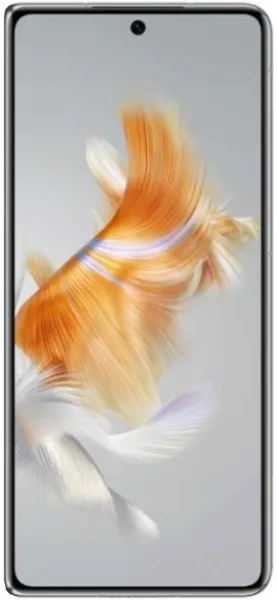
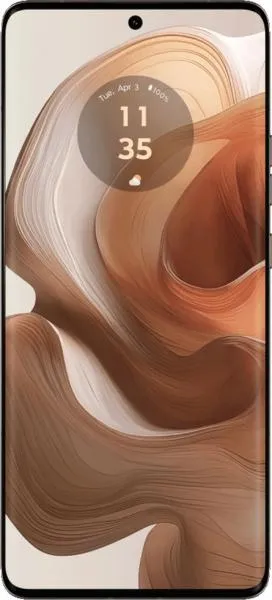
1. Specifications Comparison
| Feature | Huawei Mate X3 | Motorola Edge 50 Ultra | Practical Impact |
|---|---|---|---|
| Design | |||
| Dimensions (mm) | 156.9 x 141.5 x 5.3 (folded) | 161.1 x 72.4 x 8.6 | Mate X3 significantly thinner and potentially more pocketable when folded, Edge 50 Ultra more traditional smartphone form factor. |
| Weight (g) | 239 | 197 | Edge 50 Ultra noticeably lighter for one-handed use. |
| Foldable | Yes | No | Mate X3 offers a larger screen real estate when unfolded, enhancing multitasking and media consumption. |
| Display | |||
| Display Size (inches) | 7.85 (unfolded) | 6.7 | Mate X3 provides a tablet-like experience when unfolded; Edge 50 Ultra offers a large, but standard, smartphone screen. |
| Resolution (px) | 2224 x 2496 | 1220 x 2712 | Both offer sharp displays, but Mate X3's unfolded screen provides significantly more pixels for detailed content. |
| Refresh Rate (Hz) | 120 | 144 | Edge 50 Ultra offers smoother animations and scrolling with its higher refresh rate, beneficial for gaming and fast-paced content. |
| Display Type | Foldable OLED | P-OLED | Both offer vibrant colors and deep blacks. P-OLED generally known for better power efficiency. |
| Performance | |||
| Chipset | Snapdragon 8+ Gen 1 4G | Snapdragon 8s Gen 3 | Edge 50 Ultra benefits from a newer generation chipset, likely resulting in improved performance and efficiency. However, the "s" designation suggests a slightly less powerful variant than the standard 8 Gen 3. |
| CPU | Octa-core (1x3.19 GHz X2 & 3x2.75 GHz A710 & 4x2.0 GHz A510) | Octa-core (1x3.0 GHz X4 & 4x2.8 GHz A720 & 3x2.0 GHz A520) | While core configurations differ, both CPUs should offer excellent performance. Benchmark comparisons needed for definitive conclusions. |
| GPU | Adreno 730 | Adreno 735 | Edge 50 Ultra's slightly newer GPU might offer minor gaming performance improvements. |
| RAM | 8/12GB | 12/16GB | Edge 50 Ultra offers configurations with more RAM, improving multitasking and overall system responsiveness, particularly with demanding applications. |
| Camera | |||
| Main Camera (MP) | 50 | 50 | Megapixel count similar; image quality depends on sensor size, aperture, and processing. |
| Telephoto Camera (MP) | 16 | 64 | Edge 50 Ultra boasts a higher resolution telephoto lens, potentially enabling better zoom capabilities. |
| Ultrawide (MP) | 12 | 50 | Edge 50 Ultra has a significantly higher resolution ultrawide lens, capturing more detail in wide shots. |
| Battery | |||
| Capacity (mAh) | 4800 | 4500 | Mate X3 has a slightly larger battery. Real-world battery life depends on usage patterns and software optimization. |
2. Key Differences Analysis
Huawei Mate X3 Advantages:
- Larger, Foldable Display: Provides a unique user experience with expanded screen real estate for multitasking and media consumption.
- Slightly Larger Battery: Potentially longer battery life, though real-world usage will vary.
Motorola Edge 50 Ultra Advantages:
- Newer Chipset and GPU: Likely faster and more power-efficient, leading to smoother performance and potentially better battery life despite a smaller battery capacity.
- Higher Refresh Rate Display: Smoother scrolling and animations, beneficial for gaming and general UI responsiveness.
- More RAM in Top Configuration: Enhanced multitasking capabilities and smoother performance under heavy load.
- Superior Camera System: Higher resolution telephoto and ultrawide lenses offer more versatility and detail. 5G connectivity. Lower price.
Trade-offs:
- Mate X3: Older chipset, potentially less durable due to folding mechanism, higher price. Lack of 5G. Unknown OS.
- Edge 50 Ultra: Less innovative form factor, smaller screen size when compared to unfolded Mate X3.
3. User Profiles & Recommendations
Huawei Mate X3: Ideal for users who prioritize a large, flexible screen for productivity and media consumption and are willing to pay a premium for innovation. Use cases: Multitasking, watching videos, reading ebooks, mobile presentations.
Motorola Edge 50 Ultra: Suitable for users who seek a powerful, well-rounded smartphone with a strong emphasis on performance, camera quality, and a modern feature set at a more competitive price. Use Cases: Mobile gaming, photography, videography, everyday tasks.
4. Decision Framework
Key Questions for Buyers:
- Form Factor Priority: Is a foldable screen essential, or is a traditional smartphone design preferred?
- Performance Needs: Is cutting-edge processing power and a high refresh rate display crucial, or is a good balance of performance and battery life sufficient?
- Budget: Is the premium price for the foldable phone justifiable, or is a more value-oriented option preferred?
Scenario-Based Recommendations:
- Power User with a Large Budget: Mate X3 if the foldable form factor is highly desired.
- Performance and Camera Enthusiast: Motorola Edge 50 Ultra offers a compelling combination of performance, camera capabilities, and modern features at a more accessible price.
- Budget-Conscious User: Motorola Edge 50 Ultra provides excellent value for its price.
My Choice: Motorola Edge 50 Ultra
While the Mate X3's foldable screen is intriguing, the Motorola Edge 50 Ultra offers a more compelling overall package for my needs. The newer chipset, higher refresh rate display, superior camera system, and lower price point make it a more practical and valuable choice. The lack of information about the Mate X3's OS is also a major concern. While I appreciate the innovation of foldable phones, the Edge 50 Ultra's robust feature set and performance capabilities better align with my priorities as a smartphone user focused on productivity, photography, and overall user experience. The significant price difference further solidifies my choice.
