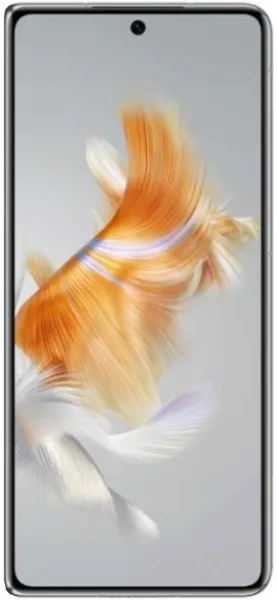
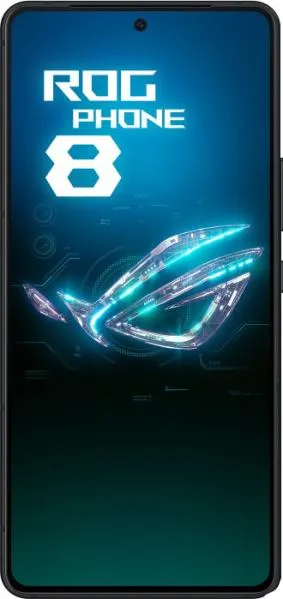
1. Specifications Comparison
| Feature | Huawei Mate X3 | Asus ROG Phone 8 | Practical Impact |
|---|---|---|---|
| Design | |||
| Dimensions (mm) | 156.9 x 141.5 x 5.3 (folded) | 163.8 x 76.8 x 8.9 | Mate X3 significantly thinner and more compact when folded, ROG Phone 8 larger and thicker. Impacts pocketability and one-handed use. |
| Weight (g) | 239 | 225 | Despite larger size, ROG Phone 8 slightly lighter. Difference negligible in practical use. |
| Foldable | Yes | No | Mate X3 offers larger screen real estate and flexibility in different usage modes. ROG Phone 8 offers a traditional smartphone form factor. |
| Display | |||
| Size (inches) | 7.85 (unfolded) | 6.78 | Mate X3 provides a significantly larger display area when unfolded for multitasking and media consumption. |
| Resolution (pixels) | 2224 x 2496 | 1080 x 2400 | Mate X3 has a sharper display due to higher resolution, especially noticeable when unfolded. ROG Phone 8 has a lower resolution but still sharp for its size. |
| Refresh Rate (Hz) | 120 | 165 | ROG Phone 8 offers smoother animations and scrolling with its higher refresh rate, beneficial for gaming and fast-paced content. |
| Display Type | Foldable OLED | LTPO AMOLED | Both offer excellent color accuracy and deep blacks. LTPO on ROG Phone 8 allows for variable refresh rate, potentially saving battery. |
| Performance | |||
| Chipset | Snapdragon 8+ Gen 1 4G | Snapdragon 8 Gen 3 | ROG Phone 8 features a newer and more powerful processor, resulting in faster performance and better efficiency. |
| CPU | Octa-core (up to 3.19 GHz) | Octa-core (up to 3.3 GHz) | ROG Phone 8 has a slightly faster CPU clock speed, translating to marginal performance gains in demanding tasks. |
| GPU | Adreno 730 | Adreno 750 | ROG Phone 8's newer GPU provides a significant performance advantage in graphics-intensive tasks like gaming. |
| RAM | 12GB | 16GB | ROG Phone 8 offers more RAM, benefiting multitasking and demanding applications. |
| Camera | |||
| Main Camera (MP) | 50 | 50 | Both have similar main camera resolution, but image quality will depend on sensor and processing. Detailed comparison not possible with available data. |
| Additional Cameras | Wide, Telephoto | Wide, Macro | Mate X3 offers a telephoto lens for optical zoom, while ROG Phone 8 has a dedicated macro lens. Choice depends on individual photography preferences. |
| Video Recording | Up to 4K@60fps | Up to 8K@24fps | ROG Phone 8 supports higher resolution video recording. |
| Battery | |||
| Capacity (mAh) | 4800 | 5500 | ROG Phone 8 boasts a significantly larger battery capacity, likely translating to longer battery life. |
2. Key Differences Analysis
Huawei Mate X3 Advantages:
- Foldable Design: Offers larger screen real estate and versatility.
- Sharper Display: Higher resolution for crisper visuals.
Asus ROG Phone 8 Advantages:
- Superior Performance: Newer and more powerful processor and GPU.
- Higher Refresh Rate: Smoother display experience, especially for gaming.
- Larger Battery: Potentially longer battery life.
- Lower Price: Offers better value for performance.
- 5G Connectivity: Supports latest generation cellular network.
Trade-offs:
- Mate X3: Higher price for foldable design and portability; lacks 5G.
- ROG Phone 8: Larger and thicker; lower resolution display compared to unfolded Mate X3.
3. User Profiles & Recommendations
Huawei Mate X3: Ideal for users who prioritize portability and a large, flexible screen for multitasking and media consumption on the go. Suitable for professionals who need a device that can adapt to different work scenarios.
Asus ROG Phone 8: Best suited for gamers and power users who demand top-tier performance, a high refresh rate display, and long battery life. Excellent for content creators who need a powerful device for video editing and other demanding tasks.
4. Decision Framework
Key Questions for Buyers:
- How important is portability and a large screen? Prioritize Mate X3 if foldability and screen size are paramount.
- Is top-tier performance and gaming a priority? Choose ROG Phone 8 if performance and refresh rate are crucial.
- What is your budget? Mate X3 falls in the high price range, while ROG Phone 8 offers a more competitive price-to-performance ratio.
My Choice: Asus ROG Phone 8
While the Huawei Mate X3's foldable design is innovative and appealing, the Asus ROG Phone 8 offers a more compelling package for my needs. Its superior performance, higher refresh rate display, larger battery, and lower price make it a clear winner. I value smooth performance and long battery life, and the ROG Phone 8 delivers on both fronts. Although I appreciate the flexibility of a foldable, the performance advantages and price difference of the ROG Phone 8 outweigh the benefits of the Mate X3 for me. The lack of 5G on the Mate X3 is also a significant drawback in a world rapidly adopting the new standard.
