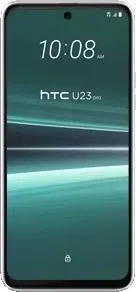
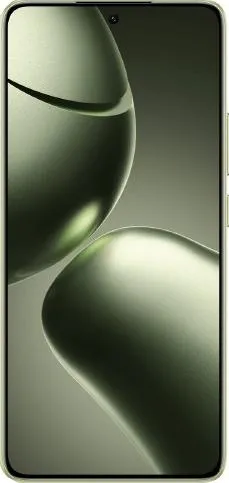
1. Specifications Comparison
| Feature | HTC U23 Pro | Xiaomi 14T | Practical Impact |
|---|---|---|---|
| Design | |||
| Dimensions (mm) | 166.6 x 77.1 x 8.9 | 160.5 x 75.1 x 7.8 | Xiaomi 14T is noticeably smaller and thinner, making it potentially more comfortable for one-handed use and pocket portability. |
| Weight (g) | 205 | 193 | The Xiaomi 14T is lighter, further enhancing its portability. |
| Fingerprint Sensor | Side-mounted | Under-display | Preference-based; side-mounted offers potentially faster unlock in some scenarios, while under-display provides a cleaner front aesthetic. |
| Display | |||
| Display Type | OLED, 120Hz | AMOLED, 144Hz, Dolby Vision, HDR10+ | Xiaomi 14T boasts a higher refresh rate for smoother animations, HDR10+ and Dolby Vision for superior dynamic range and color accuracy, resulting in a more visually immersive experience. Significantly higher peak brightness (up to 4000 nits) on the 14T allows for exceptional outdoor visibility. |
| Size (inches) | 6.7 | 6.67 | Negligible difference in screen real estate. |
| Resolution | 1080 x 2400 | 1220 x 2712 | Xiaomi 14T has a sharper display with higher pixel density, leading to crisper text and images. |
| PPI | 393 | 446 | Xiaomi 14T offers a noticeably sharper image due to the higher pixel density. |
| Performance | |||
| Chipset | Snapdragon 7 Gen 1 | Dimensity 8300 Ultra | Both are mid-range chipsets, but benchmarks suggest the Dimensity 8300 Ultra generally offers better performance, particularly in gaming and multitasking. |
| CPU | Octa-core (1x2.4 GHz A710 & 3x2.36 GHz A710 & 4x1.8 GHz A510) | Octa-core (1x3.35 GHz A715 & 3x3.20 GHz A715 & 4x2.20 GHz A510) | The Dimensity 8300 Ultra in the Xiaomi 14T features faster prime cores, suggesting improved performance in demanding tasks. |
| GPU | Adreno 644 | Mali G615-MC6 | While both GPUs are capable, the Adreno 644 generally has a slight edge in gaming performance and graphics rendering compared to the Mali G615-MC6, though real-world experience might vary. |
| RAM | 8GB/12GB | 12GB | The Xiaomi 14T offers more RAM in its base configuration, contributing to smoother multitasking and better performance with multiple apps open. |
| Camera | |||
| Main Camera | 108MP | 50MP (Sony IMX906) | While the HTC U23 Pro boasts a higher megapixel count, the Xiaomi 14T uses a larger sensor (Sony IMX906) known for excellent low-light performance and dynamic range. Megapixel count alone doesn't guarantee image quality. |
| Video Capabilities | 4K@30fps with EIS | Up to 4K@60fps with HDR, EIS, and 960fps slow-motion | Xiaomi 14T offers more comprehensive video recording options, including higher frame rates, HDR, and significantly slower slow-motion capabilities. |
| Battery | |||
| Capacity | 4600 mAh | 5000 mAh | The Xiaomi 14T offers a larger battery capacity, potentially translating to longer usage time between charges. |
2. Key Differences Analysis
Xiaomi 14T Advantages:
- Superior display with higher refresh rate, HDR10+, Dolby Vision, and significantly brighter screen.
- More powerful processor and more RAM, leading to better performance.
- Larger battery for extended usage.
- More advanced camera features, including better sensor and higher quality video recording.
- Sleeker and lighter design.
HTC U23 Pro Advantages:
- Potentially wider availability depending on region. (This is an assumption based on HTC's past market presence, but specific availability data is needed for confirmation)
- Side-mounted fingerprint sensor preferred by some users.
- Potentially lower price based on historical trends for HTC and Xiaomi devices in the mid-range market.
3. User Profiles & Recommendations
Xiaomi 14T: Ideal for users who prioritize performance, display quality, camera features, and battery life. Excellent for mobile gaming, content consumption (videos, photos), and demanding tasks.
HTC U23 Pro: Potentially a good option for budget-conscious users who prioritize a reliable phone with decent performance and a well-known brand. Suitable for everyday tasks like browsing, social media, and casual photography. May also appeal to users who prefer a side-mounted fingerprint sensor.
4. Decision Framework
Key Questions for Buyers:
- What is your budget? The Xiaomi 14T is likely more expensive.
- What are your primary use cases? Gaming, photography/videography, and demanding tasks lean towards the Xiaomi 14T.
- Which features are most important? Prioritize display quality, performance, and battery life? Choose the Xiaomi 14T. Prioritize affordability and brand familiarity? Consider the HTC U23 Pro.
My Choice: Xiaomi 14T
The Xiaomi 14T offers a significantly better overall package. The superior display, performance, camera, and battery life are compelling advantages. While the HTC U23 Pro might be more affordable, the Xiaomi 14T's enhancements justify the likely price difference for most users. The improved camera sensor and video capabilities, along with the brighter and smoother display, are significant upgrades that enhance the daily user experience. The more powerful processor and larger battery provide a future-proof device capable of handling demanding tasks and lasting longer on a single charge. While subjective preferences for fingerprint sensor placement exist, the overall technical superiority of the Xiaomi 14T makes it the clear winner.
