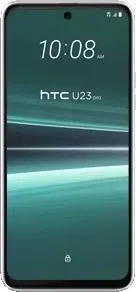
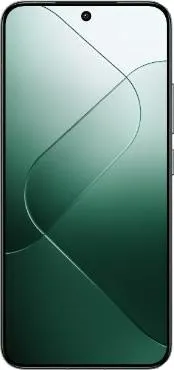
1. Specifications Comparison
| Feature | HTC U23 Pro | Xiaomi 14 | Practical Impact |
|---|---|---|---|
| Design | |||
| Dimensions (mm) | 166.6 x 77.1 x 8.9 | 152.8 x 71.5 x 8.2 | Xiaomi 14 is noticeably smaller and thinner, making it more pocketable and easier to handle. |
| Weight (g) | 205 | 188 | Xiaomi 14 is lighter, reducing hand fatigue during extended use. |
| Display | |||
| Size (inches) | 6.7 | 6.36 | HTC U23 Pro offers a slightly larger screen for more immersive media consumption, but the difference is minimal. |
| Resolution (px) | 1080 x 2400 | 1200 x 2670 | Xiaomi 14 boasts a sharper display with higher pixel density (460 ppi vs 393 ppi), resulting in crisper text and images. |
| Type | OLED, 120Hz | LTPO OLED, 120Hz, Dolby Vision, HDR10+ | Both offer smooth 120Hz refresh rates. Xiaomi 14 utilizes LTPO for better power efficiency and supports Dolby Vision and HDR10+ for superior dynamic range and color accuracy in supported content. |
| Peak Brightness (nits) | Not specified | 3000 | Xiaomi 14's significantly higher peak brightness ensures better visibility in direct sunlight. Missing peak brightness for the HTC phone makes a complete comparison impossible. |
| Performance | |||
| Chipset | Snapdragon 7 Gen 1 | Snapdragon 8 Gen 3 | Xiaomi 14 features a flagship-level processor, significantly outperforming the HTC U23 Pro in demanding tasks like gaming and multitasking. |
| CPU | Octa-core (1x2.4 GHz A710 & 3x2.36 GHz A710 & 4x1.8 GHz A510) | Octa-core (1x3.3 GHz X4 & 3x3.2 GHz A720 & 2x3.0 GHz A720 & 2x2.3 GHz A520) | The Xiaomi 14's CPU architecture and higher clock speeds provide a substantial performance advantage. |
| GPU | Adreno 644 | Adreno 750 | Xiaomi 14's superior GPU delivers significantly better graphics performance for gaming and other visually intensive applications. |
| RAM | 8GB/12GB | 8GB/12GB/16GB | Both phones offer sufficient RAM but the Xiaomi 14 goes up to 16GB for extreme multitasking power users. |
| Camera | |||
| Main Camera (MP) | 108 | 50 | While the HTC has a higher megapixel count, the Xiaomi 14 boasts a larger sensor (1/1.31") and wider aperture (f/1.6), potentially capturing more light and detail, especially in low-light conditions. |
| Video Recording | 4K@30fps | 8K@24fps | Xiaomi 14 supports higher resolution video recording (8K) and more advanced features like HDR and EIS at various frame rates. |
| Battery | |||
| Capacity (mAh) | 4600 | 4610 | Negligible difference in battery capacity. Real-world battery life will depend more on software optimization and usage patterns. |
2. Key Differences Analysis
Xiaomi 14 Advantages:
- Significantly more powerful: The Snapdragon 8 Gen 3 offers a substantial performance leap over the Snapdragon 7 Gen 1.
- Superior Display: Brighter, sharper, and supports HDR10+ and Dolby Vision for a richer viewing experience. LTPO panel allows for dynamic refresh rate adjustment, saving battery.
- More advanced camera system: Larger sensor, wider aperture, and 8K video recording capabilities. Leica collaboration suggests potential advantages in image processing.
- Faster Charging: While not specified in the data, the Xiaomi 14 is highly likely to feature significantly faster charging technology given its flagship status.
HTC U23 Pro Advantages:
- Potentially more affordable: Depending on specific market pricing, the HTC might be cheaper. The provided data shows a much lower price for one specific 12GB/256GB version of the Xiaomi 14 ($153.49) but it's unclear if this is a pricing error or a specific regional/promotional price. The next cheapest price was $754.76.
- MicroSD Card Slot: While not in the provided specs, historically HTC phones have included expandable storage via microSD card, which could be an advantage for users who need a lot of storage. Cannot confirm if this applies to the U23 Pro.
Trade-offs:
- The Xiaomi 14's superior performance and features come at a higher price point.
- The HTC U23 Pro's lower price might sacrifice performance and some premium features.
3. User Profiles & Recommendations
Xiaomi 14: Power users, gamers, photography enthusiasts, content creators who demand top-tier performance and cutting-edge features.
HTC U23 Pro: Budget-conscious users, casual users who prioritize affordability over top-end specifications. Users who prefer a slightly larger screen.
4. Decision Framework
Key Questions:
- What is your budget? The Xiaomi 14 is likely more expensive.
- What are your primary use cases? Gaming, content creation, or heavy multitasking benefit from the Xiaomi 14's power.
- How important are display quality and camera capabilities? The Xiaomi 14 excels in both areas.
Scenario-Based Recommendations:
- Limited Budget: HTC U23 Pro
- Best Performance: Xiaomi 14
- Best Camera: Xiaomi 14
- Best Display: Xiaomi 14
My Choice: Xiaomi 14
The Xiaomi 14 is the clear winner for me. While potentially more expensive, the significantly superior performance, stunning display, advanced camera system, and future-proof features (like WiFi 7 and more advanced 5G bands) make it a much more compelling device. The Snapdragon 8 Gen 3, coupled with a brighter and sharper LTPO display, will deliver a noticeably smoother and more responsive user experience. The improvements in camera technology, including the larger sensor and 8K video recording, are also significant. While I acknowledge the potential price difference, the long-term value and superior user experience offered by the Xiaomi 14 outweigh the cost for me.
