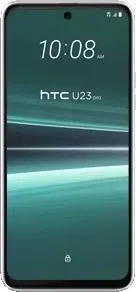
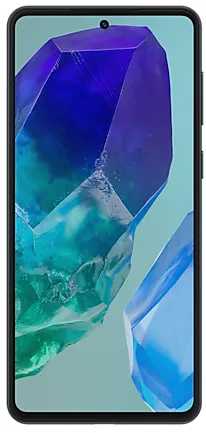
1. Specifications Comparison
| Feature | HTC U23 Pro | Samsung Galaxy M55 | Practical Impact |
|---|---|---|---|
| Design | |||
| Dimensions (mm) | 166.6 x 77.1 x 8.9 | 163.9 x 76.5 x 7.8 | M55 is slightly smaller and thinner, potentially more comfortable for one-handed use. |
| Weight (g) | 205 | 180 | M55 is noticeably lighter, reducing hand fatigue during extended use. |
| Fingerprint Sensor | Side-mounted | Under-display | Personal preference; under-display is modern but can be less reliable. Side-mounted is generally faster and more consistent. |
| Display | |||
| Display Type | OLED, 120Hz | Super AMOLED+, 120Hz | Both offer smooth scrolling and animations thanks to 120Hz. Super AMOLED+ generally offers better contrast and outdoor visibility. |
| Display Size (inches) | 6.7 | 6.7 | Same size, offering ample screen real estate for media consumption and multitasking. |
| Resolution | 1080 x 2400 | 1080 x 2400 | Identical resolution, resulting in similar sharpness. |
| Performance | |||
| Chipset | Snapdragon 7 Gen 1 | Snapdragon 7 Gen 1 | Identical processors, suggesting similar performance in day-to-day tasks and gaming. |
| CPU | Octa-core (1x2.4 GHz Cortex-A710 & 3x2.36 GHz Cortex-A710 & 4x1.8 GHz Cortex-A510) | Octa-core (1x2.4 GHz Cortex-A710 & 3x2.36 GHz Cortex-A710 & 4x1.8 GHz Cortex-A510) | Same CPU configuration, indicating comparable processing power. |
| GPU | Adreno 644 | Adreno 644 | Same GPU, indicating similar graphics performance. |
| RAM | 8/12GB | 8GB | U23 Pro offers a 12GB RAM option, potentially beneficial for heavy multitasking and demanding applications; however, 8GB is sufficient for most users. |
| OS | Android 13 | Android 14 | M55 comes with a newer Android version, offering potential access to newer features and security updates. |
| Camera | |||
| Rear Camera | 108MP Main, 8MP Wide, 5MP Depth, 2MP Macro | 50MP Main, 8MP Wide, 2MP Macro | U23 Pro boasts a higher resolution main sensor (108MP vs 50MP), potentially capturing more detail. However, real-world image quality depends on factors beyond resolution. M55 lacks a dedicated depth sensor. |
| Front Camera | 32MP | 50MP | M55 has a significantly higher resolution front camera, suggesting better selfie quality. |
| Video | 4K@30fps with EIS, 1080p@30fps with EIS | 4K@30fps with OIS/EIS, 1080p@30/60fps with OIS/EIS | Both can record 4K video; M55 offers OIS and 60fps recording at 1080p for smoother, more stable footage. |
| Battery | |||
| Capacity | 4600 mAh | 5000 mAh | M55 has a larger battery, potentially offering longer battery life. |
2. Key Differences Analysis
HTC U23 Pro Advantages:
- Higher resolution main camera: Potentially captures more detail in photos.
- Higher RAM option (12GB): Benefits power users with demanding workflows.
Samsung Galaxy M55 Advantages:
- Newer Android version (14): Access to latest features and security updates.
- Larger battery (5000 mAh): Potentially longer battery life.
- Lighter and slimmer design: Enhanced portability and comfort.
- Higher resolution front camera: Better selfies.
- Optical Image Stabilization (OIS) in video recording: Smoother and more stable videos.
3. User Profiles & Recommendations
HTC U23 Pro: Users who prioritize a high-resolution main camera and need extra RAM for demanding tasks, such as gaming or professional applications.
Samsung Galaxy M55: Users who prioritize battery life, a sleek and lightweight design, a great selfie camera, and the latest software features. Good for everyday users, social media enthusiasts, and casual photographers.
4. Decision Framework
Key Questions for Buyers:
- What is your budget? Both are mid-range, but slight price differences may exist.
- What are your photography priorities? High-resolution rear camera vs. high-resolution front camera and stabilized video.
- How important is battery life and software updates?
My Choice: Samsung Galaxy M55
While the HTC U23 Pro offers a higher resolution main camera and a higher RAM option, the Samsung Galaxy M55 provides a more well-rounded package for my needs. The larger battery, lighter design, newer Android version, superior front camera, and smoother video recording with OIS are more compelling features for my daily usage. The slightly smaller main camera sensor resolution is a trade-off I'm willing to make for the overall better user experience. Additionally, the under-display fingerprint sensor, although potentially slower, aligns with my preference for a cleaner front aesthetic. Finally, access to newer Android updates and features is crucial for long-term usability and security.
