1. Specifications Comparison
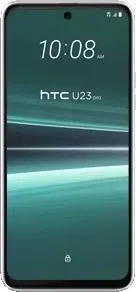
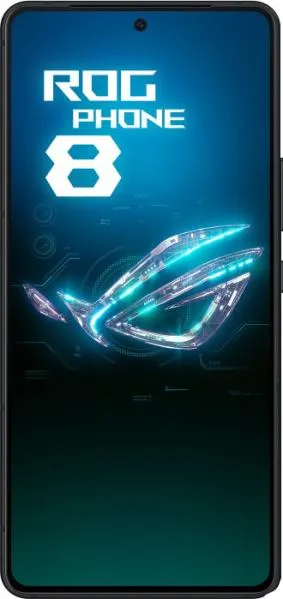
| Feature | HTC U23 Pro | Asus ROG Phone 8 | Practical Impact |
|---|---|---|---|
| Design | |||
| Dimensions (mm) | 166.6 x 77.1 x 8.9 | 163.8 x 76.8 x 8.9 | ROG Phone 8 is slightly shorter and narrower. Negligible difference in daily use. |
| Weight (g) | 205 | 225 | ROG Phone 8 is noticeably heavier, potentially impacting one-handed use. |
| Build Material | Missing | Missing | Cannot compare build quality and durability. |
| Display | |||
| Display Size (inches) | 6.7 | 6.78 | Minimal difference in screen real estate. |
| Resolution | 1080 x 2400 | 1080 x 2400 | Identical resolution, similar sharpness. |
| Refresh Rate (Hz) | 120 | 165 | ROG Phone 8 offers a significantly smoother experience, especially in gaming and scrolling. |
| Display Type | OLED | LTPO AMOLED | ROG Phone 8's LTPO panel allows for dynamic refresh rate adjustment, saving battery. It also supports a higher peak brightness and 1 billion colors providing better HDR performance. |
| Performance | |||
| Chipset | Snapdragon 7 Gen 1 | Snapdragon 8 Gen 3 | ROG Phone 8 has a significantly more powerful processor, leading to much faster performance in demanding tasks and games. |
| CPU | Octa-core (1x2.4 GHz A710 & 3x2.36 GHz A710 & 4x1.8 GHz A510) | Octa-core (1x3.3 GHz X4 & 3x3.2 GHz A720 & 2x3.0 GHz A720 & 2x2.3 GHz A520) | ROG Phone 8's CPU offers superior performance with faster clock speeds and newer architecture. |
| GPU | Adreno 644 | Adreno 750 | ROG Phone 8 boasts a much more capable GPU, enabling higher frame rates and better graphics in games. |
| RAM | 8GB/12GB | 12GB/16GB | ROG Phone 8 offers more RAM in its configurations, improving multitasking and overall system responsiveness. |
| Camera | |||
| Main Camera (MP) | 108 | 50 | HTC U23 Pro has a higher megapixel count, but megapixels alone don't determine image quality. ROG Phone 8 uses the larger Sony IMX890 sensor which generally results in better low light performance and dynamic range. |
| Video Recording | 4K@30fps | 8K@24fps | ROG Phone 8 supports higher resolution video recording. |
| Other Features | OIS | OIS, 3x Optical Zoom, Ultrawide, Macro | ROG Phone 8 offers more versatile camera features with optical zoom and ultrawide capabilities. |
| Battery | |||
| Capacity (mAh) | 4600 | 5500 | ROG Phone 8 has a significantly larger battery, likely resulting in longer battery life. |
2. Key Differences Analysis
HTC U23 Pro Advantages:
- Potentially Lower Price: While not explicitly stated, phones using the Snapdragon 7 Gen 1 generally fall into a lower price bracket than Snapdragon 8 Gen 3 devices.
- Lighter Weight: Easier for one-handed use and extended carrying.
Asus ROG Phone 8 Advantages:
- Significantly More Powerful: Superior CPU and GPU for demanding tasks and gaming.
- Higher Refresh Rate Display: Smoother visuals and more responsive experience.
- Larger Battery: Longer battery life.
- More Versatile Camera System: Optical zoom, ultrawide lens, and advanced video recording capabilities.
- More RAM: Better multitasking and overall system responsiveness.
- Latest Android Version and Longer Software Support: Ensures longer access to security updates and new features.
Trade-offs:
- Price: ROG Phone 8 is expected to be significantly more expensive.
- Weight: ROG Phone 8 is heavier.
3. User Profiles & Recommendations
HTC U23 Pro:
- Ideal User: Budget-conscious users who prioritize basic smartphone functionality and lighter weight.
- Use Cases: Everyday tasks like browsing, social media, light gaming, and communication.
Asus ROG Phone 8:
- Ideal User: Gamers, power users, and content creators who demand top-tier performance, a smooth display, and advanced camera features.
- Use Cases: Demanding mobile gaming, video editing, content creation, multitasking, and enjoying media consumption with vibrant visuals.
4. Decision Framework
Key Questions for Buyers:
- What is your budget? The ROG Phone 8 will likely command a premium price.
- What are your primary smartphone usage patterns? For basic tasks, the U23 Pro may suffice. For demanding tasks and gaming, the ROG Phone 8 is superior.
- How important is battery life and camera versatility to you? ROG Phone 8 offers advantages in both areas.
My Choice: Asus ROG Phone 8
While the HTC U23 Pro might be a good option for budget-conscious users, the Asus ROG Phone 8 is the clear winner for me. The significantly improved performance, smoother display, larger battery, more versatile camera system, and longer software support outweigh the higher price and increased weight. As someone who values a smooth and responsive user experience, the 165Hz LTPO AMOLED display and Snapdragon 8 Gen 3 are compelling. The expanded camera capabilities and larger battery further enhance its appeal for content creation and extended usage. The future-proofing offered by the latest Android version and commitment to updates ensures the device remains relevant for longer.
