
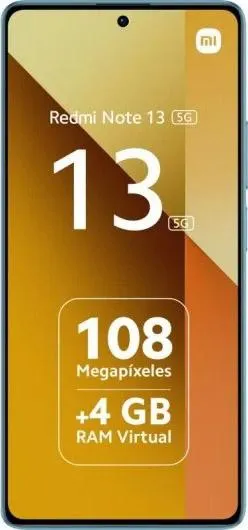
Let's dive into a comparative analysis of the Honor X7b and the Xiaomi Redmi Note 13, dissecting their specifications and uncovering what they truly offer users.
1. Specifications Breakdown
| Feature | Honor X7b | Xiaomi Redmi Note 13 | Real-World Implications |
|---|---|---|---|
| Design | |||
| Dimensions | 166.7 x 76.5 x 8.2 mm | 161.1 x 75 x 7.6 mm | Redmi Note 13 is slightly smaller and thinner, potentially more pocketable |
| Weight | 199g | 174.5g | Redmi Note 13 is noticeably lighter, reducing hand fatigue |
| Display | |||
| Type | IPS LCD | AMOLED | Redmi Note 13 offers deeper blacks, vibrant colors, and better power efficiency |
| Size | 6.8" | 6.67" | Negligible difference in screen real estate |
| Resolution | 1080 x 2412 | 1080 x 2400 | Virtually identical sharpness |
| Refresh Rate | 90Hz | 120Hz | Redmi Note 13 provides smoother scrolling and animations |
| Peak Brightness | 850 nits | 1000 nits | Redmi Note 13 is brighter outdoors |
| Performance | |||
| Chipset | Snapdragon 680 4G | Dimensity 6080 | Comparable performance, slight edge to Dimensity in some tasks |
| CPU | Octa-core (4x2.4 GHz & 4x1.9 GHz) | Octa-core (2x2.4 GHz & 6x2.0 GHz) | Similar CPU configurations, likely comparable everyday performance |
| GPU | Adreno 610 | Mali-G57 MC2 | Performance differences likely minor in typical usage scenarios |
| RAM | 6GB/8GB | 8GB/12GB | Redmi Note 13 offers larger RAM options for better multitasking |
| Storage | 128GB/256GB | 256GB | Honor X7b offers a smaller storage option, Redmi Note 13 starts higher |
| Battery | |||
| Capacity | 5330 mAh | 5000 mAh | Honor X7b has a larger battery capacity, potentially longer battery life |
| Other | |||
| OS | Android 13 | Android 13 | Both run the latest Android version |
| Max OS Version | 14 | 16 | Redmi Note 13 will receive longer software updates |
| NFC | Yes | Yes | Both support contactless payments |
| Price Range | Medium | Low | Redmi Note 13 offers better value for its features |
2. Key Insights
The Redmi Note 13 boasts a superior display with AMOLED technology, a higher refresh rate, and greater brightness. Its smaller and lighter build enhances portability. While both phones offer comparable performance, the Redmi Note 13's higher RAM options provide a smoother multitasking experience. The Honor X7b counters with a larger battery capacity, potentially leading to longer usage times. However, the Redmi Note 13's significantly lower price point makes it a compelling value proposition.
3. User Profiles and Recommendations
Honor X7b: Suitable for users prioritizing battery life above all else. Its larger display might also appeal to those consuming lots of media.
Redmi Note 13: Ideal for budget-conscious users seeking a well-rounded device with a great display, smooth performance, and modern features. Its lighter and more compact design makes it a good choice for those who prioritize portability.
4. Buying Decision Framework
- What's your budget? If price is a major concern, the Redmi Note 13 offers excellent value.
- Is display quality a priority? The Redmi Note 13's AMOLED screen is a significant upgrade over the Honor X7b's LCD.
- How important is battery life? The Honor X7b's larger battery might provide an edge in longevity.
My Choice: Xiaomi Redmi Note 13
If I were choosing between these two, I'd opt for the Redmi Note 13. The superior AMOLED display, smoother 120Hz refresh rate, lighter design, and lower price point are compelling. While the Honor X7b offers a larger battery, the Redmi Note 13's overall package provides a more enjoyable and modern smartphone experience for the price. The longer software support commitment from Xiaomi also adds to the Redmi Note 13's long-term value. The difference in battery capacity is likely outweighed by the AMOLED's power efficiency. For me, the Redmi Note 13 strikes the best balance between features, performance, and affordability.
