1. Specifications Comparison
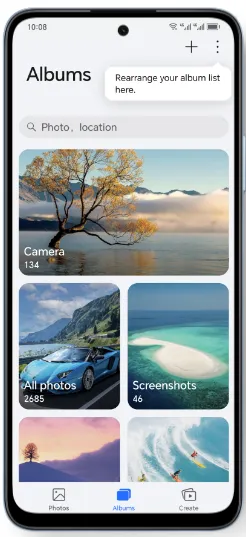
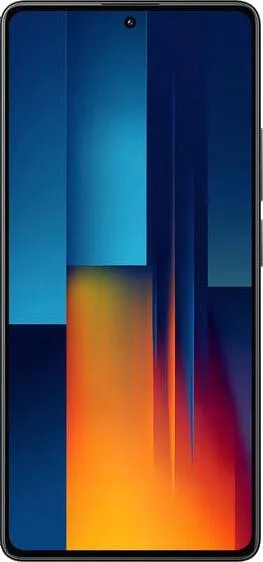
| Feature | Honor X7b | Xiaomi Poco M6 Pro | Practical Impact |
|---|---|---|---|
| Design | |||
| Dimensions (mm) | 166.7 x 76.5 x 8.2 | 161.1 x 75 x 8 | Poco M6 Pro is slightly smaller and might feel more comfortable in hand. |
| Weight (g) | 199 | 179 | Poco M6 Pro is noticeably lighter, reducing hand fatigue during extended use. |
| Fingerprint Sensor | Side-mounted | Under-display | Preference-based, but under-display is often considered more modern. |
| Display | |||
| Display Type | IPS LCD | AMOLED | AMOLED offers deeper blacks, more vibrant colors, and potentially better power efficiency. |
| Display Size (inches) | 6.8 | 6.67 | Negligible difference in screen real estate. |
| Resolution | 1080 x 2412 | 1080 x 2400 | Virtually identical pixel density, resulting in similar sharpness. |
| Refresh Rate (Hz) | 90 | 120 | Poco M6 Pro's 120Hz display will feel smoother for scrolling and gaming. |
| Peak Brightness (nits) | 850 | 1300 | Poco M6 Pro will be significantly more readable in direct sunlight. |
| Performance | |||
| Chipset | Snapdragon 680 4G | Helio G99 Ultra | Helio G99 is generally considered slightly faster than the Snapdragon 680, especially in CPU tasks. |
| CPU | Octa-core (4x2.4 GHz Kryo 265 Gold & 4x1.9 GHz Kryo 265 Silver) | Octa-core (2x2.2 GHz Cortex-A76 & 6x2.0 GHz Cortex-A55) | Both offer decent performance for everyday tasks, but the G99 might handle demanding apps slightly better. |
| GPU | Adreno 610 | Mali-G57 MC2 | Mali-G57 MC2 generally offers better gaming performance than the Adreno 610. |
| RAM/Storage | 256GB/6GB, 128GB/8GB | 512GB/12GB | Poco M6 Pro offers significantly more storage and RAM, allowing for smoother multitasking and more app installations. |
| Battery | |||
| Capacity (mAh) | 5330 | 5000 | Honor X7b has a slightly larger battery, potentially offering longer battery life. However, real-world usage will depend on other factors like display and software optimization. |
| Camera | |||
| Video Capabilities | 1080p@30fps | 1080p@30/60fps (EIS) | Poco M6 Pro offers more video recording options, including 60fps and Electronic Image Stabilization (EIS) for smoother footage. No detailed camera specs are provided for a thorough comparison. |
2. Key Differences Analysis
Honor X7b Advantages:
- Larger Battery: Potentially longer battery life.
Xiaomi Poco M6 Pro Advantages:
- Superior Display: AMOLED with higher refresh rate and brightness.
- Faster Performance: Slightly more powerful chipset and GPU.
- More RAM and Storage: Smoother multitasking and ample space for apps and files.
- Better Video Recording: 60fps and EIS for smoother videos.
- Lighter and More Compact: Easier to handle and carry.
3. User Profiles & Recommendations
Honor X7b: Users prioritizing battery life above all else and on a tighter budget. Suitable for basic tasks like calling, texting, and browsing.
Xiaomi Poco M6 Pro: Users who value a smooth and responsive experience, enjoy gaming or media consumption, and need ample storage.
4. Decision Framework
Key Questions:
- What is your budget? Both are mid-range, but specific pricing might influence the decision.
- What are your primary use cases? Gaming, media consumption, or basic tasks?
- Which features are most important to you? Battery life, display quality, performance, or camera?
My Choice: Xiaomi Poco M6 Pro
While the Honor X7b offers a slightly larger battery, the Poco M6 Pro provides a significantly better overall user experience with its superior AMOLED display, faster performance, larger RAM and storage, and better video recording capabilities. The lighter and more compact design is also a plus. The advantages of the Poco M6 Pro outweigh the slightly smaller battery capacity, especially considering the AMOLED's potential for better power efficiency. For a mid-range device, the Poco M6 Pro offers a more compelling package for a broader range of users.
