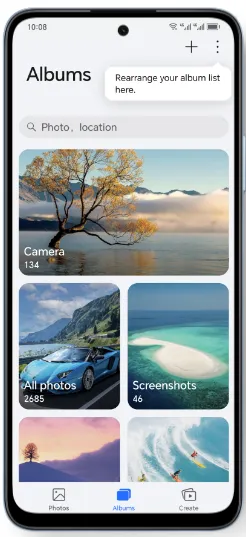
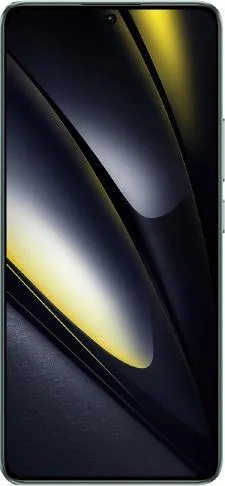
1. Specifications Comparison
| Feature | Honor X7b | Xiaomi Poco F6 | Practical Impact | |
|---|---|---|---|---|
| Design | ||||
| Dimensions | 166.7 x 76.5 x 8.2 mm | 160.5 x 74.5 x 8 mm | Poco F6 is slightly smaller and might feel more comfortable in hand. | |
| Weight | 199g | 179g | Poco F6 is noticeably lighter, reducing hand fatigue during extended use. | |
| Fingerprint Sensor | Side-mounted | Under-display | Preference-based, but under-display is often perceived as more modern. | |
| Display | ||||
| Display Type | IPS LCD | AMOLED | Poco F6's AMOLED offers significantly better contrast, deeper blacks, and potentially better power efficiency. | |
| Display Size | 6.8" | 6.67" | Negligible size difference in real-world usage. | |
| Resolution | 1080 x 2412 | 1220 x 2712 | Poco F6 has a sharper display with higher pixel density (446 ppi vs 389 ppi), resulting in crisper text and images. | |
| Refresh Rate | 90Hz | 120Hz | Poco F6 provides smoother scrolling and animations, enhancing the overall user experience. | |
| Peak Brightness | 850 nits | 2400 nits | Poco F6 is vastly brighter, ensuring excellent outdoor visibility even in direct sunlight. HDR10+ and Dolby Vision support further enhance visual quality. | |
| Performance | ||||
| Chipset | Snapdragon 680 4G | Snapdragon 8s Gen 3 | Poco F6 boasts a significantly more powerful processor, enabling much faster performance in demanding tasks and games. | |
| CPU | Octa-core (4x2.4 GHz & 4x1.9 GHz) | Octa-core (1x3.0 GHz & 4x2.8 GHz & 3x2.0 GHz) | The Poco F6's CPU architecture and clock speeds translate to a substantial performance advantage. | |
| GPU | Adreno 610 | Adreno 735 | Poco F6's GPU offers a considerable leap in graphics performance, crucial for gaming and other visually intensive applications. | |
| RAM/Storage | 256GB/6GB, 128GB/8GB | 512GB/12GB | Poco F6 offers more RAM and storage in the provided configuration, allowing for smoother multitasking and ample space for files and apps. | |
| Camera | ||||
| Video Capabilities | 1080p@30fps | Up to 4K@60fps, 1080p@240fps | Poco F6 offers significantly better video recording capabilities with higher resolution, frame rates, and Electronic Image Stabilization (EIS). | Note: Detailed camera specs are missing, limiting a full comparison. |
| Battery | ||||
| Capacity | 5330 mAh | 5000 mAh | While the Honor X7b has a slightly larger battery, the Poco F6's more efficient AMOLED display and potentially better software optimization could result in comparable or even better battery life. |
2. Key Differences Analysis
Honor X7b Advantages:
- Larger Battery Capacity: Potentially longer battery life, although real-world usage depends on various factors.
Xiaomi Poco F6 Advantages:
- Significantly Superior Performance: The Snapdragon 8s Gen 3 offers a massive performance advantage over the Snapdragon 680, resulting in a smoother and more responsive user experience.
- Higher Quality Display: AMOLED technology, higher resolution, refresh rate, and brightness contribute to a drastically better visual experience.
- Better Video Recording: Wider range of resolutions and frame rates, along with EIS, provides more versatile and higher-quality video recording.
3. User Profiles & Recommendations
Honor X7b: Suitable for budget-conscious users who prioritize basic smartphone functionalities like calling, texting, browsing, and light media consumption. Battery life might be a key consideration for these users.
Xiaomi Poco F6: Ideal for users who demand high performance for gaming, demanding applications, and multimedia consumption. The superior display and video recording capabilities cater to content creators and enthusiasts.
4. Decision Framework
Key Questions:
- What is your budget? Both are mid-range, but the Poco F6 likely sits at the higher end.
- What are your primary smartphone usage patterns? (e.g., gaming, social media, photography, video recording)
- How important is display quality and performance to you?
Scenario-Based Recommendations:
- Casual User: The Honor X7b might suffice if budget is a major constraint.
- Power User/Gamer/Content Creator: The Poco F6 is the clear choice for its superior performance, display, and video capabilities.
My Choice: Xiaomi Poco F6
While the Honor X7b offers a larger battery, the Poco F6's substantial advantages in performance, display quality, and video recording capabilities make it the superior choice for me. The Snapdragon 8s Gen 3 provides a future-proof platform for demanding applications and games. The AMOLED display with 120Hz refresh rate and HDR support offers a significantly better visual experience. As someone who values a smooth and responsive user experience, the Poco F6 aligns better with my needs. The slightly higher price would be justified by the significant performance and feature upgrades.
