Honor X7b vs. Samsung Galaxy A15 5G: A Practical Comparison
Let's dive deep into a comparative analysis of the Honor X7b and the Samsung Galaxy A15 5G, translating the technical jargon into real-world implications for you.
1. Specifications Breakdown
| Feature | Honor X7b | Samsung Galaxy A15 5G | Real-World Implications |
|---|---|---|---|
| Design | |||
| Dimensions | 166.7 x 76.5 x 8.2 mm | 160.1 x 76.8 x 8.4 mm | A15 slightly more compact, potentially easier for one-handed use. |
| Weight | 199g | 200g | Negligible difference in weight. |
| Display | |||
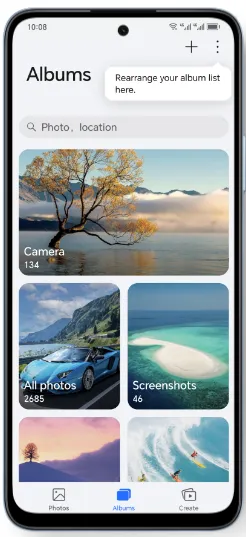
| Size | 6.8" | 6.5" | X7b offers a larger viewing area for media consumption. |
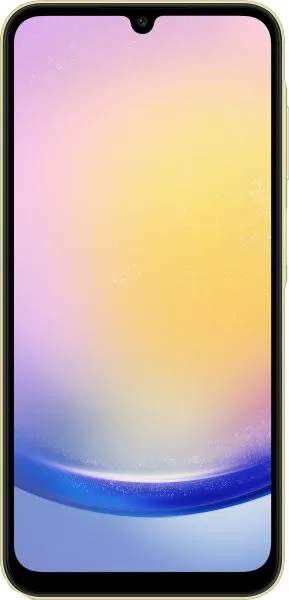
| Type | IPS LCD, 90Hz | Super AMOLED, 90Hz | A15's AMOLED delivers richer colors, deeper blacks, and potentially better power efficiency. |
| Resolution | 1080 x 2412 | 1080 x 2340 | Comparable sharpness; X7b slightly denser due to larger size. |
| Refresh Rate | 90Hz | 90Hz | Both offer smooth scrolling and animations. |
| Peak Brightness | 850 nits | Not Specified | X7b's higher peak brightness could mean better visibility outdoors. |
| Performance | |||
| Chipset | Snapdragon 680 4G (6nm) | Dimensity 6100+ (6nm) | A15's Dimensity chip likely offers better CPU and GPU performance, especially in gaming. |
| CPU | Octa-core (4x2.4 GHz & 4x1.9 GHz) | Octa-core (2x2.2 GHz & 6x2.0 GHz) | A15's CPU configuration suggests superior multi-core performance. |
| GPU | Adreno 610 | Mali-G57 MC2 | A15 likely has a stronger GPU for gaming and graphics-intensive tasks. |
| RAM | 6GB/8GB | 6GB/8GB | Comparable RAM options for multitasking. |
| Storage | 256GB/128GB | 128GB/256GB | Both offer ample storage options. |
| Battery | |||
| Capacity | 5330 mAh | 5000 mAh | X7b boasts a larger battery, potentially translating to longer battery life. |
| Other | |||
| OS | Android 13 | Android 14 | A15 ships with a newer Android version, potentially offering more features and longer updates. |
| 5G | No | Yes | A15 offers faster cellular data speeds and future-proofing. |
| NFC | Yes | Yes | Both support contactless payments and data transfer. |
2. Key Insights
- Display: The A15's Super AMOLED display provides vibrant colors and deeper blacks compared to the X7b's LCD. While the X7b offers a slightly larger screen, the A15's superior display technology might be more appealing to some.
- Performance: The Dimensity 6100+ in the A15 is likely to outperform the Snapdragon 680 in the X7b, particularly in demanding tasks and gaming.
- Battery Life: The X7b's larger 5330 mAh battery suggests a potential advantage in longevity, but real-world usage will vary.
- Connectivity: The A15's 5G capability is a significant advantage for future-proofing and faster data speeds.
3. User Profiles and Recommendations
- Honor X7b: Best suited for users prioritizing battery life, a large display for media consumption, and budget-consciousness. Great for casual users, students, or anyone who consumes a lot of video content.
- Samsung Galaxy A15 5G: Ideal for users seeking better performance for gaming, smoother multitasking, a vibrant display, and 5G connectivity. A good choice for those who value future-proofing and a more premium display experience.
4. Buying Decision Framework
- Is 5G connectivity a priority? If yes, the A15 is the clear choice.
- What's your budget? While both are mid-range, compare prices in your region.
- Which display technology do you prefer? AMOLED (A15) for vibrant colors and deep blacks or LCD (X7b) for a potentially brighter display in sunlight.
My Choice: I would personally choose the Samsung Galaxy A15 5G. While the Honor X7b offers a tempting larger battery and screen size, the A15's superior performance from the Dimensity 6100+, the vibrant Super AMOLED display, and the crucial inclusion of 5G connectivity make it a more compelling package for my needs. The A15 provides a better balance of performance, future-proofing, and user experience, making it a more worthwhile investment in the long run. I prioritize a smooth and responsive experience, vibrant visuals, and fast connectivity, even if it means a slightly smaller battery capacity.
