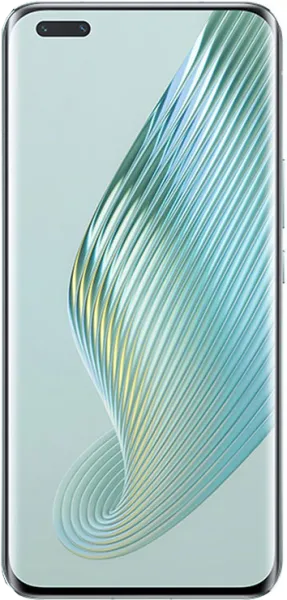

1. Specifications Comparison
| Feature | Honor Magic5 Pro | Xiaomi 14T | Practical Impact |
|---|---|---|---|
| Design | |||
| Dimensions (mm) | 162.9 x 76.7 x 8.8 | 160.5 x 75.1 x 7.8 | Xiaomi 14T is slightly smaller and thinner, potentially improving one-handed usability. |
| Weight (g) | 219 | 193 | Xiaomi 14T is noticeably lighter, reducing fatigue during extended use. |
| Build | Not specified | Not specified | Build materials impact durability and premium feel; information lacking for both. |
| Display | |||
| Size (inches) | 6.81 | 6.67 | Negligible difference in screen real estate. |
| Resolution | 1312 x 2848 | 1220 x 2712 | Honor has a slightly sharper display due to higher pixel density, but both are crisp. |
| Type | LTPO OLED | AMOLED | Both offer excellent contrast and vibrant colors. LTPO allows for dynamic refresh rate adjustment, saving battery on Honor. |
| Refresh Rate (Hz) | 120 | 144 | Xiaomi 14T offers smoother scrolling and animations, beneficial for gaming and fast-paced content. |
| Peak Brightness (nits) | 1800 | 4000 | Xiaomi 14T's significantly higher peak brightness ensures better outdoor visibility. |
| Performance | |||
| Chipset | Snapdragon 8 Gen 2 | Dimensity 8300 Ultra | Snapdragon 8 Gen 2 generally offers superior performance in demanding tasks and gaming due to its more powerful CPU and GPU. |
| CPU | Octa-core (1x3.2 GHz Cortex-X3 & 2x2.8 GHz Cortex-A715 & 2x2.8 GHz Cortex-A710 & 3x2.0 GHz Cortex-A510) | Octa-core (1x3.35 GHz Cortex-A715 & 3x3.20 GHz Cortex-A715 & 4x2.20 GHz Cortex-A510) | Honor's CPU configuration, while complex, leverages a more powerful prime core for peak performance bursts. |
| GPU | Adreno 740 | Mali G615-MC6 | Adreno 740 generally provides better gaming performance and graphics rendering compared to Mali G615-MC6. |
| RAM (GB) | 12 | 12 | Both offer ample RAM for smooth multitasking. |
| Camera | |||
| Main Camera (MP) | 50 | 50 | Megapixel count is similar; image quality depends on sensor size, aperture, and processing. |
| Sensor | Sony IMX878 | Sony IMX906 | Different sensors; detailed comparison not possible without sensor size and other specifications. |
| Other Cameras | 50MP Wide, 50MP Telephoto | 13MP Wide, 50MP Telephoto | Honor offers a higher resolution ultrawide camera. Practical difference depends on sensor quality and processing. |
| Video | Up to 4K@60fps | Up to 4K@60fps, 1080p@960fps | Both offer excellent video recording capabilities. Xiaomi offers higher slow-motion frame rates. |
| Battery | |||
| Capacity (mAh) | 5100 | 5000 | Negligible difference in battery capacity. Real-world battery life depends on optimization and usage. |
| Charging | 66W Wired, 50W Wireless | 67W Wired | Xiaomi offers slightly faster wired charging, while Honor supports wireless charging. |
2. Key Differences Analysis
Honor Magic5 Pro Advantages:
- Superior Performance: The Snapdragon 8 Gen 2 provides a significant performance advantage for demanding tasks and gaming.
- Sharper Display: Slightly higher pixel density results in a crisper image.
- LTPO Display: Enables dynamic refresh rate adjustment for better battery efficiency.
- Wireless Charging: Offers convenience for charging without cables.
- Higher Resolution Ultrawide: Potentially better ultrawide photos and videos.
Xiaomi 14T Advantages:
- Lighter and Slimmer: Improved one-handed usability and reduced fatigue.
- Higher Refresh Rate Display: Smoother scrolling and animations, better for gaming.
- Significantly Brighter Display: Excellent outdoor visibility.
- Faster Wired Charging: Quicker replenishment of battery.
- Higher Slow-Motion Video Capture: Captures more detailed slow-motion footage.
3. User Profiles & Recommendations
Honor Magic5 Pro: Ideal for users who prioritize performance, a premium display with excellent battery life, and wireless charging convenience. Suitable for demanding tasks, mobile gaming, and content consumption.
Xiaomi 14T: Best for users who value a lightweight and comfortable phone with a smooth, bright display. Well-suited for media consumption, gaming, and everyday use. Price sensitive users who don't need peak processing power will find this appealing.
4. Decision Framework
Key Questions:
- Is peak performance crucial? If yes, the Honor Magic5 Pro's Snapdragon 8 Gen 2 is the clear winner.
- Is outdoor visibility a top priority? The Xiaomi 14T's 4000 nits peak brightness excels in sunlight.
- Is wireless charging important? Honor Magic5 Pro offers this convenience.
My Choice: Honor Magic5 Pro
While the Xiaomi 14T offers a compelling package with its bright and smooth display, lighter weight, and faster charging, the Honor Magic5 Pro's superior performance, versatile camera system, LTPO display, and wireless charging make it the better overall device for my needs. The Snapdragon 8 Gen 2 provides a significant advantage for future-proofing and demanding tasks, and the LTPO display balances smooth visuals with power efficiency. Wireless charging is a significant convenience factor for me. Although the Xiaomi 14T is lighter, the weight difference isn't a deal breaker. Ultimately, I prioritize performance and features over marginal differences in weight and wired charging speed.
