1. Specifications Comparison
| Feature | Honor Magic V2 | Xiaomi 14 | Practical Impact |
|---|---|---|---|
| Design | |||
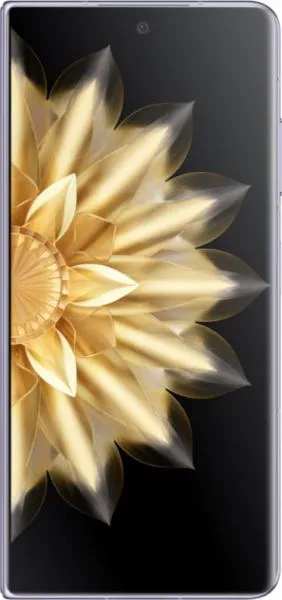
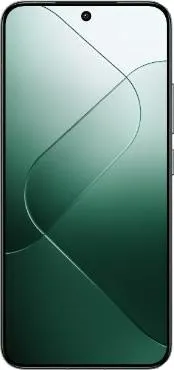
| Dimensions | 156.7 x 145.4 x 4.7 mm (folded) | 152.8 x 71.5 x 8.2 mm | Magic V2 is significantly larger unfolded but thinner when folded. Xiaomi 14 is more pocketable. |
| Weight | 231g | 188g | Magic V2 is noticeably heavier due to its foldable design. |
| Foldable | Yes | No | Magic V2 offers a larger screen real estate for multitasking and media consumption but with added bulk. |
| Display | |||
| Size | 7.92" (unfolded) | 6.36" | Magic V2 provides a tablet-like experience when unfolded, while Xiaomi 14 offers a more typical smartphone screen size. |
| Type | Foldable LTPO OLED | LTPO OLED | Both offer excellent color accuracy and power efficiency. The folding mechanism of the Magic V2 is a key differentiator. |
| Resolution | 2156 x 2344 | 1200 x 2670 | Similar pixel density despite different sizes, resulting in sharp visuals on both. |
| Refresh Rate | 120Hz | 120Hz | Both offer smooth scrolling and animations. |
| Peak Brightness | 1600 nits | 3000 nits | Xiaomi 14 offers significantly higher peak brightness, improving outdoor visibility. |
| Performance | |||
| Chipset | Snapdragon 8 Gen 2 | Snapdragon 8 Gen 3 | Xiaomi 14 has a newer, more powerful processor, likely resulting in faster performance and better efficiency. |
| CPU | Octa-core (up to 3.19 GHz) | Octa-core (up to 3.3 GHz) | Xiaomi 14's newer CPU architecture should provide a performance advantage in demanding tasks. |
| GPU | Adreno 740 | Adreno 750 | Xiaomi 14's improved GPU should offer better gaming and graphics performance. |
| RAM | 16GB | 12GB | Magic V2 offers more RAM, potentially benefiting multitasking and demanding applications. However, 12GB is still ample for most users. |
| Storage | 512GB | 256/512GB | Both offer ample storage options. |
| Battery | |||
| Capacity | 5000 mAh | 4610 mAh | Magic V2 has a slightly larger battery, but real-world battery life depends on usage and software optimization. Folding displays often consume more power. |
| Camera | |||
| Video Capabilities | Up to 4K@60fps | Up to 8K@24fps and slow-motion up to 720p@1920fps | Xiaomi 14 offers higher resolution video recording and more extensive slow-motion capabilities. Detailed camera sensor specifications are missing, limiting a comprehensive comparison. |
2. Key Differences Analysis
Honor Magic V2 Advantages:
- Larger Screen: The foldable display provides a significantly larger screen for multitasking, media consumption, and productivity.
- More RAM: 16GB of RAM allows for seamless multitasking and handling demanding applications.
Xiaomi 14 Advantages:
- Newer, Faster Processor: The Snapdragon 8 Gen 3 offers a significant performance advantage over the Gen 2.
- Brighter Display: The 3000 nits peak brightness ensures excellent outdoor visibility.
- Lighter and More Pocketable: The traditional form factor is significantly lighter and easier to carry.
- More Affordable: Positioned in the "medium price" range compared to the "high price" of the Magic V2.
- Superior Video Recording: Offers 8K recording and extensive slow-motion capabilities.
Trade-offs:
- Foldability vs. Portability: Magic V2 offers a larger screen but sacrifices portability and adds weight.
- Price vs. Performance: Xiaomi 14 offers better performance and features at a lower price point, but lacks the foldable screen.
3. User Profiles & Recommendations
Honor Magic V2: Ideal for users who prioritize a large screen experience for productivity, media consumption, and multitasking and are willing to pay a premium for the foldable technology. Suitable for professionals, content creators, and heavy multitaskers.
Xiaomi 14: Suitable for users who seek a powerful and feature-rich smartphone with a great display and camera at a more reasonable price. Ideal for gamers, photography enthusiasts, and those who prioritize portability.
4. Decision Framework
Key Questions:
- How important is a large, foldable screen?
- What is your budget?
- What are your primary use cases (e.g., gaming, productivity, media consumption)?
Scenario-Based Recommendations:
- Limited Budget, Focus on Performance: Xiaomi 14
- Prioritize Large Screen for Productivity: Honor Magic V2
- Balance of Performance and Portability: Xiaomi 14
My Choice: Xiaomi 14
While the Honor Magic V2's foldable screen is impressive, the Xiaomi 14 offers a compelling combination of performance, features, and price. The Snapdragon 8 Gen 3, brighter display, superior video recording capabilities, and lighter weight make it a more practical choice for my daily needs. I value portability and performance over the novelty of a foldable screen, and the lower price point of the Xiaomi 14 further solidifies my decision. The difference in RAM (12GB vs. 16GB) is unlikely to significantly impact my usage.
