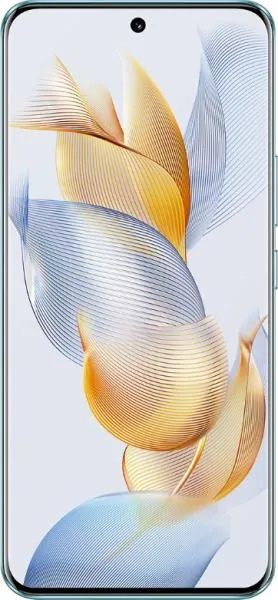
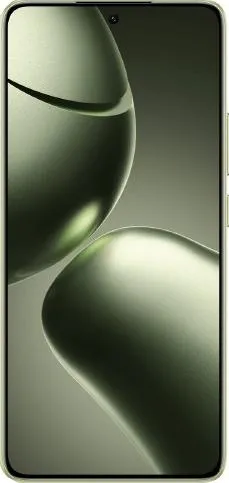
1. Specifications Comparison
| Feature | Honor 90 | Xiaomi 14T | Practical Impact |
|---|---|---|---|
| Design | |||
| Dimensions (mm) | 161.9 x 74.1 x 7.8 | 160.5 x 75.1 x 7.8 | Xiaomi 14T is slightly shorter and wider, but both have similar thickness. Negligible difference in hand feel. |
| Weight (g) | 183 | 193 | Honor 90 is noticeably lighter, reducing hand fatigue during extended use. |
| Display | |||
| Size (inches) | 6.7 | 6.67 | Virtually identical screen sizes. |
| Resolution (px) | 1200 x 2664 | 1220 x 2712 | Both offer sharp, high-resolution displays. Xiaomi 14T has a slightly higher pixel density, but the difference is imperceptible. |
| Refresh Rate (Hz) | 120 | 144 | Xiaomi 14T's higher refresh rate delivers smoother animations and scrolling, especially noticeable in gaming and fast-paced content. |
| Display Type | AMOLED | AMOLED | Both use AMOLED technology, offering vibrant colors and deep blacks. |
| Peak Brightness (nits) | 1600 | 4000 | Xiaomi 14T's significantly higher peak brightness ensures better visibility in direct sunlight. |
| Color Depth | 1B | 68B | Xiaomi 14T supports a wider color gamut, resulting in more accurate and nuanced color reproduction, particularly beneficial for content creators. |
| HDR Support | HDR10+ | HDR10+, Dolby Vision | Xiaomi 14T adds Dolby Vision support, enhancing the viewing experience for compatible content with improved dynamic range and color accuracy. |
| Performance | |||
| Chipset | Snapdragon 7 Gen 1 Accelerated | Dimensity 8300 Ultra | Both are mid-range chipsets. Dimensity 8300 Ultra generally benchmarks higher in CPU and GPU performance, translating to faster app loading, smoother multitasking, and better gaming capabilities. |
| CPU | Octa-core (1x2.5 GHz Cortex-A710 & 3x2.36 GHz Cortex-A710 & 4x1.8 GHz Cortex-A510) | Octa-core (1x3.35 GHz Cortex-A715 & 3x3.20 GHz Cortex-A715 & 4x2.20 GHz Cortex-A510) | Xiaomi 14T boasts faster CPU clock speeds and newer Cortex-A715 cores, leading to improved performance. |
| GPU | Adreno 644 | Mali G615-MC6 | While specific benchmarks are needed for a definitive comparison, the Mali G615-MC6 in the Xiaomi 14T is expected to provide comparable if not slightly improved graphics performance over the Adreno 644. |
| RAM (GB) | 8/12 | 12 | The Xiaomi 14T offers more RAM in the compared variant, enabling better multitasking and preventing apps from closing in the background. |
| Camera | |||
| Main Camera (MP) | 200 | 50 | Honor 90 boasts a higher megapixel count, potentially capturing more detail. However, sensor size and image processing play a crucial role, making megapixels alone an insufficient metric for image quality comparison. |
| Ultrawide (MP) | 12 | 13 | Similar ultrawide capabilities; minor difference in megapixels unlikely to significantly impact real-world usage. |
| Telephoto (MP) | N/A | 50 | Xiaomi 14T includes a dedicated telephoto lens for optical zoom, enabling lossless zoomed-in shots, a significant advantage over Honor 90's digital zoom. |
| Video Capabilities | Up to 4K@30fps with EIS | Up to 4K@60fps with HDR, EIS | Xiaomi 14T supports higher resolution and frame rate video recording with HDR, resulting in smoother and more dynamic videos. Its broader range of slow-motion options also expands creative possibilities. |
| DXOMARK Score | 122 | 134 | Xiaomi 14T has a higher overall DXOMARK score, suggesting superior overall camera performance. However, DXOMARK scores should be considered alongside individual user needs and preferences. |
| Battery | |||
| Capacity (mAh) | 5000 | 5000 | Identical battery capacities suggest similar battery life, although real-world usage will depend on various factors like screen brightness, refresh rate, and usage patterns. |
2. Key Differences Analysis
Xiaomi 14T Advantages:
- Superior Performance: The Dimensity 8300 Ultra, higher RAM, and 144Hz refresh rate provide a smoother and more responsive user experience.
- Enhanced Display: Brighter display with Dolby Vision and wider color gamut.
- More Versatile Camera: Dedicated telephoto lens for optical zoom and superior video recording capabilities.
- More Recent OS: Ships with Android 14, offering potential software and security advantages.
Honor 90 Advantages:
- Lighter Weight: More comfortable for extended use.
- Potentially Lower Price: Depending on market and specific configurations, the Honor 90 might offer a more competitive price point. (Prices missing in dataset for a precise comparison).
- Higher Resolution Main Camera: The 200MP sensor potentially captures more detail, although real-world image quality depends on various factors beyond resolution.
3. User Profiles & Recommendations
Honor 90: Users prioritizing a lightweight phone with a good display and decent performance for everyday tasks, social media, and casual gaming. Budget-conscious buyers seeking a balance between features and affordability.
Xiaomi 14T: Users prioritizing performance, a top-tier display, and versatile camera capabilities, especially for mobile gaming, content creation, and consuming media.
4. Decision Framework
Key Questions for Buyers:
- What is your budget? The Xiaomi 14T is likely to be more expensive.
- What are your primary use cases? (e.g., gaming, photography, social media)
- Which features do you prioritize most? (e.g., performance, display quality, camera versatility, battery life)
Scenario-Based Recommendations:
- Gamer: Xiaomi 14T for its higher refresh rate, powerful chipset, and better sustained performance.
- Photographer/Videographer: Xiaomi 14T for its superior camera system with telephoto lens and advanced video recording capabilities.
- Casual User: Honor 90 if budget is a primary concern and a lightweight design is preferred.
My Choice: Xiaomi 14T
While the Honor 90 offers a compelling combination of features, I would choose the Xiaomi 14T. The superior performance offered by the Dimensity 8300 Ultra, coupled with the 144Hz display and a more versatile camera system with a dedicated telephoto lens, makes it a more compelling overall package. The brighter display with Dolby Vision and wider color gamut significantly enhances the viewing experience. Although the Xiaomi 14T is slightly heavier and likely more expensive, the performance and feature upgrades justify the trade-offs for me. The future-proofing offered by the newer Android version and potentially longer software support cycle also contributes to my decision.
