1. Specifications Comparison
| Feature | Google Pixel Fold | Xiaomi 14T | Practical Impact |
|---|---|---|---|
| Design | |||
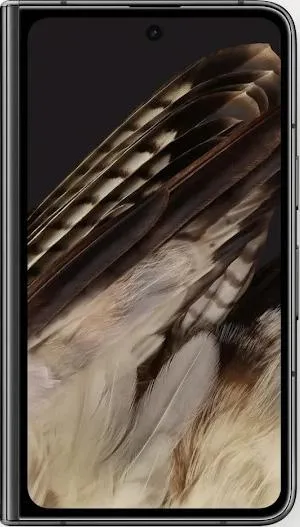
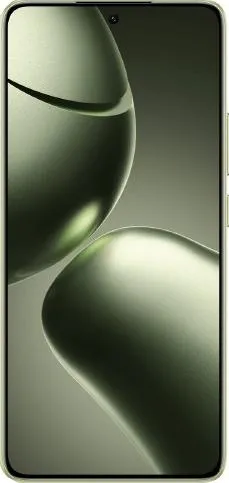
| Form Factor | Foldable | Slab | Pixel Fold offers versatility with a larger inner screen for multitasking and media consumption, while Xiaomi 14T provides a traditional, pocketable design. |
| Dimensions (mm) | 139.7 x 158.7 x 5.8 (folded) | 160.5 x 75.1 x 7.8 | Pixel Fold is thicker when folded but significantly wider unfolded. Xiaomi 14T is thinner and easier to hold in one hand. |
| Weight (g) | 283 | 193 | Pixel Fold is noticeably heavier, impacting one-handed use and portability. |
| Display | |||
| Display Type | Foldable OLED | AMOLED | Pixel Fold's foldable OLED allows for a larger screen in a smaller device, but introduces a crease. Xiaomi 14T offers a bright, vibrant AMOLED display. |
| Size (inches) | 7.6 (unfolded), 5.8 (folded) | 6.67 | Pixel Fold provides a tablet-like experience when unfolded, while the Xiaomi 14T offers a large, immersive display for a standard smartphone. |
| Resolution | 1840 x 2208 (unfolded), 1080 x 2092 (folded) | 1220 x 2712 | Both offer sharp displays, but the Pixel Fold's unfolded screen provides more real estate for productivity. |
| Refresh Rate (Hz) | 120 | 144 | Xiaomi 14T offers smoother scrolling and animations due to the higher refresh rate, though both are excellent. |
| Peak Brightness (nits) | 1450 | 4000 | Xiaomi 14T is significantly brighter, ensuring better visibility outdoors. |
| Performance | |||
| Chipset | Google Tensor G2 (5 nm) | Mediatek Dimensity 8300 Ultra (4 nm) | Dimensity 8300 Ultra generally benchmarks higher in raw performance, though Tensor G2 excels in AI tasks and on-device processing, like voice recognition and photo editing. |
| CPU | Octa-core (2x2.85 GHz Cortex-X1 & 2x2.35 GHz Cortex-A78 & 4x1.80 GHz Cortex-A55) | Octa-core (1x3.35 GHz Cortex-A715 & 3x3.20 GHz Cortex-A715 & 4x2.20 GHz Cortex-A510) | Both offer powerful performance for demanding tasks, but benchmarks suggest the Dimensity 8300 Ultra might offer a slight edge in certain areas. |
| RAM (GB) | 12 | 12 | Both phones have ample RAM for smooth multitasking. |
| Camera | |||
| Main Camera (MP) | 48 | 50 | Xiaomi 14T has a slightly higher resolution main sensor. |
| DXOMARK Score | 133 | 134 | Scores are very close, suggesting comparable image quality. Real-world performance depends on individual preferences and shooting conditions. |
| Video Capabilities | Up to 4K@60fps with HDR | Up to 4K@960fps with HDR | Xiaomi 14T offers higher frame rate slow-motion video recording. |
| Battery | |||
| Capacity (mAh) | 4821 | 5000 | Xiaomi 14T boasts a slightly larger battery capacity, potentially leading to longer battery life. However, the Pixel Fold's larger display might consume more power. |
| Charging Speed | Not specified | Not specified | Cannot compare charging speeds without specific data. |
2. Key Differences Analysis
Google Pixel Fold Advantages:
- Foldable Form Factor: Unique versatility for multitasking, media consumption, and portability.
- Google's Software Integration: Seamless integration with Google services, timely updates, and AI-powered features.
- Superior Haptics: Often praised for providing excellent haptic feedback.
Xiaomi 14T Advantages:
- Higher Resolution and Brighter Display: Better outdoor visibility and sharper images.
- Potentially Longer Battery Life: Larger battery capacity suggests longer usage between charges.
- Higher Refresh Rate: Smoother scrolling and gaming experience.
- Lower Price: Generally more affordable than the Pixel Fold.
3. User Profiles & Recommendations
Google Pixel Fold: Ideal for users who value:
- Multitasking: Running multiple apps simultaneously on a larger screen.
- Media Consumption: Enjoying videos and games on a tablet-like display.
- Innovation: Embracing cutting-edge foldable technology.
- Portability with Large Screen: Needing a large screen that can still fit in a pocket.
Xiaomi 14T: Ideal for users who prioritize:
- Performance: Smooth gaming and demanding applications.
- Battery Life: Long usage without frequent charging.
- Display Quality: Bright, vibrant colors and high refresh rate.
- Affordability: Seeking a high-value flagship without the premium price.
4. Decision Framework
Key Questions for Buyers:
- Form Factor Preference: Do you prioritize a foldable design for its versatility or a traditional slab phone for its simplicity and pocketability?
- Usage Patterns: Will you utilize the larger unfolded screen for multitasking and media or prefer a great overall display for general use?
- Budget: Is the premium price of the Pixel Fold justified by its unique features, or are you seeking the best value for your money?
My Choice: Xiaomi 14T
While the Pixel Fold's foldable technology is intriguing, the Xiaomi 14T offers a more compelling overall package for my needs. I prioritize a bright, high-refresh-rate display for media consumption and gaming, and the 14T excels in this area. The longer battery life and potentially superior performance of the Dimensity 8300 Ultra are also significant advantages. Finally, the lower price point makes the Xiaomi 14T a more sensible choice for me. The Pixel Fold's weight and thickness are deterrents for me, as I value a comfortable and pocketable device. While I appreciate the innovation of the foldable design, the Xiaomi 14T better aligns with my priorities of display quality, performance, battery life, and value.
