1. Specifications Comparison
| Feature | Google Pixel Fold | Motorola Edge 50 Ultra | Practical Impact |
|---|---|---|---|
| Design | |||
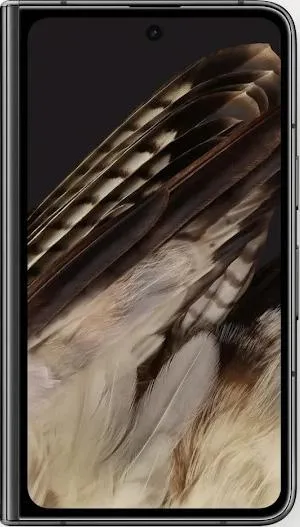
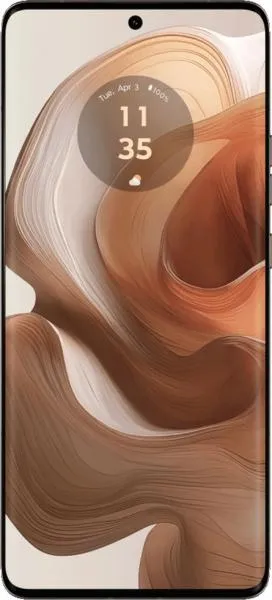
| Dimensions | 139.7 x 158.7 x 5.8 mm (folded) | 161.1 x 72.4 x 8.6 mm | Pixel Fold is significantly wider when unfolded but more compact when folded. Edge 50 Ultra is a traditional slab design, thinner overall. |
| Weight | 283g | 197g | Pixel Fold is noticeably heavier, potentially impacting one-handed use. |
| Foldable | Yes | No | Pixel Fold offers a larger inner display for multitasking and media consumption but adds bulk and complexity. |
| Display | |||
| Type | Foldable OLED | P-OLED | Pixel Fold's folding display allows for different usage modes. Edge 50 Ultra's P-OLED likely offers better power efficiency. |
| Size | 7.6" (unfolded), 5.8" (cover) | 6.7" | Pixel Fold offers a larger main screen for productivity, Edge 50 Ultra provides a more typical large-screen experience. |
| Resolution | 1840 x 2208 (unfolded), 1080 x 2092 (cover) | 1220 x 2712 | Both offer sharp displays, but Pixel Fold has a slightly lower pixel density on the main screen due to its larger size. |
| Refresh Rate | 120Hz | 144Hz | Edge 50 Ultra's higher refresh rate delivers smoother animations and scrolling. |
| Peak Brightness | 1450 nits | 2500 nits | Edge 50 Ultra offers significantly higher peak brightness for better outdoor visibility. |
| Performance | |||
| Chipset | Google Tensor G2 (5 nm) | Snapdragon 8s Gen 3 (4 nm) | Snapdragon 8s Gen 3 likely offers a performance advantage in benchmarks and demanding tasks. Tensor G2 is optimized for AI and machine learning. |
| CPU | Octa-core (2x2.85 GHz Cortex-X1 & 2x2.35 GHz Cortex-A78 & 4x1.80 GHz Cortex-A55) | Octa-core (1x3.0 GHz Cortex-X4 & 4x2.8 GHz Cortex-A720 & 3x2.0 GHz Cortex-A520) | The newer architecture of the Snapdragon chip likely results in better CPU performance. |
| GPU | Mali-G710 MP7 | Adreno 735 | Adreno 735 generally provides stronger graphics performance for gaming. |
| RAM | 12GB | 12GB/16GB | Both offer ample RAM for multitasking, but the Edge 50 Ultra offers a 16GB option for even more demanding users. |
| Camera | |||
| Main Camera | 48MP | 50MP (OV50H) | Both offer high-resolution main cameras. OV50H in Edge 50 Ultra known for good low-light performance due to its large sensor size (1/1.3"). |
| DxOMark Score | 133 | 146 | Edge 50 Ultra has a significantly higher DxOMark score, indicating superior overall camera performance. |
| Battery | |||
| Capacity | 4821 mAh | 4500 mAh | Pixel Fold has a slightly larger battery, but real-world battery life depends on usage and software optimization. Foldable displays often consume more power. |
2. Key Differences Analysis
Google Pixel Fold Advantages:
- Foldable Form Factor: Offers versatility for different usage scenarios. Larger inner display enhances multitasking and media consumption.
- Tensor G2's AI Capabilities: Optimized for AI-powered features, potentially offering a smoother and more intuitive user experience in specific tasks.
- Slightly Larger Battery: Potentially longer battery life, although this is heavily dependent on usage patterns.
Motorola Edge 50 Ultra Advantages:
- Superior Performance: Snapdragon 8s Gen 3 delivers significantly better performance for demanding tasks and gaming.
- Higher Quality Camera System: Higher resolution sensors, larger sensor size on the main camera, and significantly better DxOMark score suggest superior image quality.
- Smoother Display: 144Hz refresh rate provides a more fluid user experience.
- Brighter Display: Significantly brighter display ensures better visibility in direct sunlight.
- Lighter and Thinner (in traditional form): More comfortable for one-handed use and pocket portability compared to the folded Pixel.
3. User Profiles & Recommendations
Google Pixel Fold: Users who prioritize multitasking, large-screen media consumption, and appreciate the novelty and versatility of a foldable device. Content creators and professionals who benefit from the larger inner display.
Motorola Edge 50 Ultra: Users who prioritize performance, camera quality, and a smooth, bright display. Mobile gamers, photography enthusiasts, and those seeking a premium traditional smartphone experience.
4. Decision Framework
Key Questions for Buyers:
- Form Factor Preference: Do you value the versatility of a foldable phone or prefer a traditional slab design?
- Performance Needs: Do you require top-tier performance for gaming or demanding applications, or is a good overall experience sufficient?
- Camera Importance: Is camera quality a top priority?
My Choice: Motorola Edge 50 Ultra
While the Pixel Fold's foldable design is intriguing, the Motorola Edge 50 Ultra offers a more compelling overall package for my needs. The significantly improved performance, superior camera system, brighter and smoother display, and lighter weight make it a more practical daily driver. Although I acknowledge the unique advantages of a foldable device, the Edge 50 Ultra's superior core specifications and traditional form factor better suit my preference for a powerful, pocketable smartphone with a top-notch camera. The price difference, while not explicitly stated in consistent currency, seems negligible considering the performance leap.
