
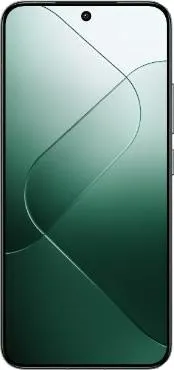
Google Pixel 8 vs. Xiaomi 14: A Deep Dive for the Discerning User
The smartphone arena welcomes two new contenders: the Google Pixel 8 and the Xiaomi 14. Both promise cutting-edge technology and premium experiences, but which one reigns supreme? Let's dissect their specifications and uncover the nuances that separate them.
1. Specifications Breakdown
| Feature | Google Pixel 8 | Xiaomi 14 | Real-World Implications |
|---|---|---|---|
| Design | |||
| Dimensions | 150.5 x 70.8 x 8.9 mm | 152.8 x 71.5 x 8.2 mm | Xiaomi 14 is slightly larger and thinner. Pixel 8 might feel more compact in hand. |
| Weight | 187g | 188g | Negligible weight difference; both feel substantial. |
| Display | |||
| Size | 6.2" | 6.36" | Xiaomi 14 offers a slightly larger viewing area. |
| Type | OLED, 120Hz, HDR10+ | LTPO OLED, 120Hz, Dolby Vision, HDR10+ | Both offer smooth scrolling and vibrant colors. Xiaomi 14's LTPO panel allows for more granular refresh rate control, potentially saving battery. Dolby Vision support on the Xiaomi 14 may offer a slight edge in video quality. |
| Peak Brightness | 2000 nits | 3000 nits | Xiaomi 14 boasts significantly higher peak brightness, ensuring better visibility in direct sunlight. |
| Resolution | 1080 x 2400 | 1200 x 2670 | Xiaomi 14 has a sharper display with higher pixel density (460 ppi vs 428 ppi). |
| Performance | |||
| Chipset | Google Tensor G3 | Snapdragon 8 Gen 3 | Snapdragon 8 Gen 3 generally benchmarks higher in raw performance, potentially offering smoother gaming and faster multitasking. Tensor G3 is optimized for AI and machine learning tasks, leading to a potentially more intuitive user experience. |
| CPU | Nona-core | Octa-core | Core configuration differences are less crucial than overall chipset performance and optimization. |
| GPU | Immortalis-G715s MC10 | Adreno 750 | Adreno 750 generally offers stronger graphical performance. |
| RAM | 8GB | 12GB | Xiaomi 14's 12GB RAM provides more headroom for multitasking and demanding applications. |
| Storage | 256GB | 256/512GB | Xiaomi 14 offers a 512GB storage option for users needing more space. |
| Battery Life | |||
| Capacity | 4575 mAh | 4610 mAh | Xiaomi 14 has a marginally larger battery. Real-world battery life will depend on software optimization and usage patterns. |
2. Key Insights
The Xiaomi 14 leans towards raw power and multimedia prowess, boasting a brighter, sharper display, a more potent Snapdragon processor, and more RAM. The Pixel 8, however, leverages Google's Tensor G3 chip for AI-driven features and a potentially more seamless software experience. The Pixel historically excels in computational photography, likely continuing this trend despite lacking the Xiaomi 14's 8K video recording capability.
3. User Profiles and Recommendations
Pixel 8: Ideal for users prioritizing a clean Android experience, innovative AI features, and exceptional camera performance in everyday scenarios. Its compact form factor might also appeal to those seeking a more manageable phone.
Xiaomi 14: Suited for power users demanding top-tier performance for gaming, multimedia consumption, and heavy multitasking. The larger display and higher resolution enhance the visual experience.
4. Buying Decision Framework
- What is your priority: pure performance or a refined software experience? Xiaomi 14 for the former, Pixel 8 for the latter.
- How important is display quality and brightness? Xiaomi 14 offers a noticeable advantage in this area.
- What is your budget and storage needs? Consider the Xiaomi 14 if you need 512 GB of storage. Both phones target the mid-range price point, but specific pricing will influence the final decision.
My Choice: As Alex Griffin, I'd choose the Pixel 8. While the Xiaomi 14 boasts impressive hardware, I value the seamless integration of hardware and software that Google consistently delivers. The Tensor G3's AI capabilities, coupled with Pixel's historically superior camera processing and clean Android experience, outweigh the benefits of the Xiaomi 14 for my personal needs. I prioritize a phone that anticipates my needs and seamlessly integrates into my workflow, and the Pixel 8 aligns more closely with this philosophy. I am also willing to sacrifice a bit of screen real estate and peak brightness for the more compact and arguably more ergonomic design of the Pixel 8.
