
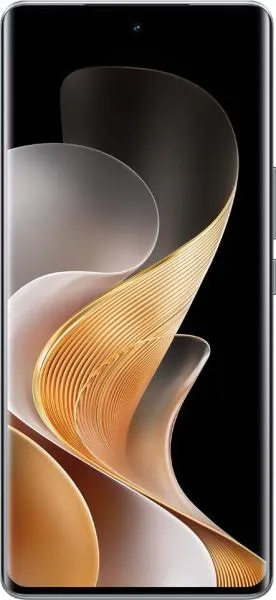
Let's dive into a comparative analysis of the Google Pixel 8 and the vivo V40, dissecting their specifications and translating them into real-world implications for you.
1. Specifications Breakdown
| Feature | Google Pixel 8 | vivo V40 | Real-World Implications |
|---|---|---|---|
| Design | |||
| Dimensions | 150.5 x 70.8 x 8.9 mm | 164.2 x 75 x 7.6 mm | Pixel 8 is noticeably smaller and slightly thinner, potentially easier for one-handed use. V40 is taller and wider. |
| Weight | 187g | 190g | Negligible weight difference; both feel substantial in hand. |
| Display | |||
| Size | 6.2" | 6.78" | V40 offers a significantly larger screen for more immersive media consumption. Pixel 8 prioritizes portability. |
| Type | OLED, 120Hz | AMOLED, 120Hz | Both offer vibrant colors, deep blacks, and smooth scrolling. |
| Resolution | 1080 x 2400 | 1260 x 2800 | V40 boasts a sharper display due to its higher resolution and larger size. |
| Peak Brightness | 2000 nits | 4500 nits | V40's screen will be significantly brighter outdoors. |
| Performance | |||
| Chipset | Google Tensor G3 | Snapdragon 7 Gen 3 | Both are 4nm chips promising efficiency. Tensor G3 is known for AI prowess, while Snapdragon 7 Gen 3 focuses on balanced performance. |
| CPU | Nona-core (1x3.0 GHz Cortex-X3 & 4x2.45 GHz Cortex-A715 & 4x2.15 GHz Cortex-A510) | Octa-core (1x2.63 GHz Cortex-A715 & 3x2.4 GHz Cortex-A715 & 4x1.8 GHz Cortex-A510) | Tensor G3's unique core configuration might offer advantages in specific AI-driven tasks. Snapdragon 7 Gen 3 aims for sustained performance. |
| GPU | Immortalis-G715s MC10 | Adreno 720 | Gaming performance likely favors the Pixel 8, though real-world testing is needed. |
| RAM | 8GB | 12GB | V40's larger RAM enables better multitasking and app switching. |
| Storage | 256GB | 512GB | V40 offers double the storage, crucial for users who store lots of media or large files. |
| Battery Life | |||
| Capacity | 4575 mAh | 5500 mAh | V40's larger battery likely translates to longer usage time. |
| Other | |||
| OS | Android 14 | Android 14 | Both run the latest Android version, ensuring feature parity. |
| Video Capabilities | Up to 4K@60fps, 1080p@240fps | Up to 4K@30fps | Pixel 8 offers superior video recording capabilities with higher frame rates and resolution options, along with better stabilization (OIS+EIS). |
2. Key Insights
- Performance: While benchmarks will ultimately tell the full story, the Pixel 8, with its Tensor G3, is likely to excel in AI-driven tasks, computational photography, and potentially gaming. The vivo V40, powered by the Snapdragon 7 Gen 3, aims for well-rounded performance and efficient power consumption. The larger RAM on the V40 is a significant advantage for heavy multitaskers.
- Display and Design: The vivo V40 wins on sheer screen size and brightness. If you consume a lot of media or often use your phone outdoors, the V40's expansive and bright display will be a major draw. The Pixel 8 counters with a more compact and arguably more pocketable design.
- Battery: The vivo V40's substantially larger battery capacity suggests longer usage time between charges. This could be a deciding factor for users who prioritize all-day endurance.
3. User Profiles and Recommendations
- Pixel 8: Best suited for users who value a compact phone with top-tier AI performance, a smooth software experience, excellent camera capabilities, and frequent software updates directly from Google.
- vivo V40: Ideal for users who prioritize a large, bright display, ample storage, long battery life, and robust multitasking capabilities.
4. Buying Decision Framework
- What screen size do you prefer? If you prioritize one-handed usability and pocketability, the Pixel 8 is the better choice. If you want a larger, more immersive display, opt for the V40.
- How important is battery life? If all-day battery life is paramount, the V40's larger battery capacity likely gives it an edge.
- What kind of performance do you need? For AI-powered features, potentially superior gaming, and the latest software innovations, lean towards the Pixel 8. If consistent performance and heavy multitasking are priorities, the V40's ample RAM and efficient processor make it a strong contender.
My Choice: As a tech journalist who values a compact, powerful device with cutting-edge software and a fantastic camera, I'd lean towards the Pixel 8. The Tensor G3's unique capabilities, especially in AI and computational photography, are particularly appealing. While the V40 offers a tempting larger display and battery, the Pixel 8's overall package aligns more closely with my priorities. The smoother and more frequent software updates coming directly from Google are also a big draw for me. The superior video recording capabilities of the Pixel 8 further solidify my choice. However, if my primary use case were media consumption and I needed the absolute longest battery life possible, the V40 would be a very strong contender.
