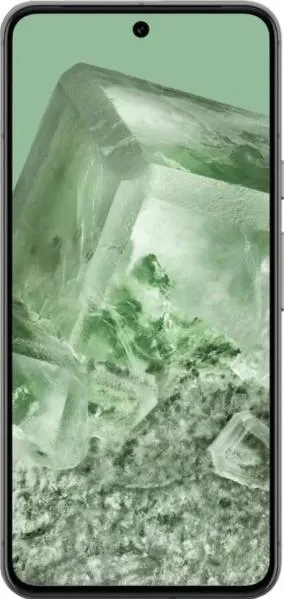
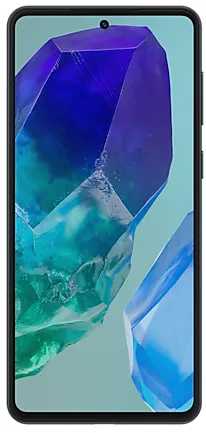
Let's dive into a comparative analysis of the Google Pixel 8 and the Samsung Galaxy M55, dissecting their technical specifications and translating them into practical, real-world implications for you.
1. Specifications Breakdown
| Feature | Google Pixel 8 | Samsung Galaxy M55 | Real-World Implications |
|---|---|---|---|
| Design | |||
| Dimensions | 150.5 x 70.8 x 8.9 mm | 163.9 x 76.5 x 7.8 mm | Pixel 8 is noticeably smaller and slightly thicker. M55 is larger. |
| Weight | 187g | 180g | Negligible weight difference in practical use. |
| Display | |||
| Size | 6.2 inches | 6.7 inches | M55 offers a larger screen for media consumption. |
| Type | OLED, 120Hz, HDR10+, 2000 nits peak | Super AMOLED+, 120Hz, 1000 nits | Pixel 8 boasts superior brightness and HDR for vibrant visuals. |
| Resolution | 1080 x 2400 | 1080 x 2400 | Identical resolution; sharpness comparable on both devices. |
| Performance | |||
| Chipset | Google Tensor G3 (4nm) | Snapdragon 7 Gen 1 (4nm) | Tensor G3 expected to deliver superior AI and overall performance. |
| CPU | Nona-core (1x3.0 GHz Cortex-X3...) | Octa-core (1x2.4 GHz Cortex-A710...) | Pixel 8's more powerful CPU likely translates to smoother multitasking. |
| GPU | Immortalis-G715s MC10 | Adreno 644 | Pixel 8's GPU should provide a better gaming and graphics experience. |
| RAM | 8GB | 8GB | Same RAM capacity; multitasking performance should be comparable. |
| Storage | 256GB | 256GB | Equal storage capacity for apps, photos, and videos. |
| Camera (Partial) | |||
| Video Capabilities | 4K@24/30/60fps, 1080p@ up to 240fps | 4K@30fps, 1080p@30/60fps | Pixel 8 offers significantly more versatile video recording options, including higher frame rates and slow-motion. |
| Battery | |||
| Capacity | 4575 mAh | 5000 mAh | M55 has a larger battery, potentially offering longer battery life. |
| Other | |||
| OS | Android 14 | Android 14 | Both run the latest Android version with expected feature parity. |
| USB | USB Type-C 3.2 | USB Type-C 2.0 | Pixel 8 offers faster data transfer speeds. |
2. Key Insights
The Pixel 8 shines with its superior display, promising a more vibrant and immersive viewing experience thanks to its brighter panel and HDR capabilities. Its Tensor G3 chip and advanced GPU deliver a significant performance advantage, particularly for demanding tasks and gaming. The versatile video recording capabilities cater to content creators and those who value capturing high-quality footage.
The Galaxy M55 counters with a larger display and a significantly bigger battery, potentially translating to longer usage between charges. It offers a more budget-friendly option while still providing a smooth 120Hz display and ample storage.
3. User Profiles and Recommendations
Pixel 8: Ideal for users who prioritize performance, camera quality (implied based on historical Pixel performance), a premium display, and the latest software features. Power users, gamers, photographers, and videographers would likely prefer the Pixel 8.
Galaxy M55: Suitable for users seeking a larger screen, long battery life, and a more affordable price point. Those who primarily use their phones for media consumption, browsing, and communication might find the M55 a compelling option.
4. Buying Decision Framework
- What is your budget? The Pixel 8 typically sits at a higher price point than the M55.
- What are your primary phone usage patterns? Heavy gaming or content creation favors the Pixel 8; media consumption and extended battery life lean towards the M55.
- How important is display quality and overall performance? The Pixel 8 demonstrably excels in these areas.
My Choice: Google Pixel 8
While the Galaxy M55 offers a tempting combination of a large display and battery, the Pixel 8's superior performance, brighter and more vibrant display, and advanced video capabilities are decisive factors for me. I value a smooth, responsive user experience, excellent image quality (which Pixel phones are known for), and the cutting-edge technology that Google consistently delivers. The slightly smaller form factor of the Pixel 8 is also more appealing to me personally. While battery life is important, I prioritize the overall user experience and the capabilities that the Pixel 8 brings to the table. The faster USB standard is also a plus for quick data transfers. Ultimately, the Pixel 8 feels like a more future-proof investment, offering a more compelling blend of performance, features, and innovation.
