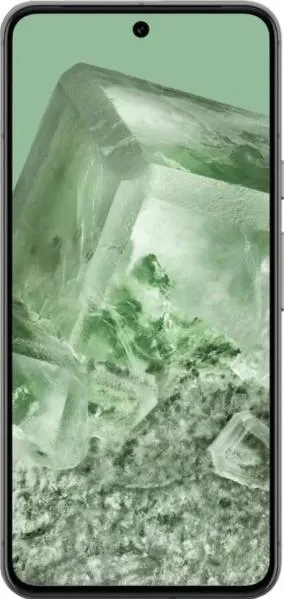
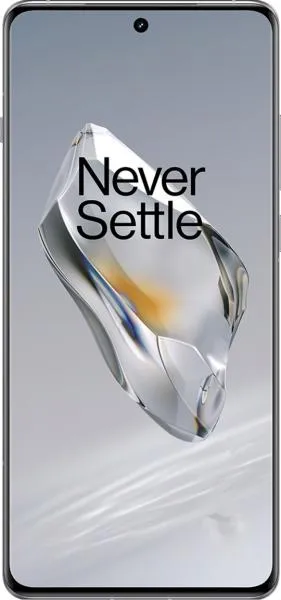
Let's dive into a comparative analysis of the Google Pixel 8 and the OnePlus 12, dissecting their specifications and translating them into real-world implications for you.
1. Specifications Breakdown
| Feature | Google Pixel 8 | OnePlus 12 | Real-World Implications |
|---|---|---|---|
| Design | |||
| Dimensions | 150.5 x 70.8 x 8.9 mm | 164.3 x 75.8 x 9.2 mm | Pixel 8 is noticeably smaller and potentially more pocketable. OnePlus 12 might feel bulkier. |
| Weight | 187g | 220g | Pixel 8 is significantly lighter, reducing hand fatigue during extended use. |
| Display | |||
| Size | 6.2" | 6.82" | OnePlus 12 offers a larger screen for more immersive media consumption. Pixel 8 prioritizes one-handed usability. |
| Type | OLED, 120Hz | LTPO AMOLED, 120Hz | Both offer smooth scrolling and animations. LTPO on OnePlus 12 can dynamically adjust refresh rate for better battery life. |
| Resolution | 1080 x 2400 | 1440 x 3168 | OnePlus 12 boasts sharper visuals due to higher resolution. Pixel 8's resolution is still respectable. |
| Peak Brightness | 2000 nits | 4500 nits | OnePlus 12's significantly higher peak brightness ensures superior outdoor visibility. |
| Performance | |||
| Chipset | Google Tensor G3 | Snapdragon 8 Gen 3 | Snapdragon 8 Gen 3 generally benchmarks higher in raw performance. Tensor G3 excels in AI and machine learning tasks. |
| CPU | Nona-core | Octa-core | Both offer powerful multi-core performance, capable of handling demanding tasks. Core architecture differences might favor Snapdragon in sustained performance. |
| GPU | Immortalis-G715s MC10 | Adreno 750 | Adreno 750 generally offers better gaming performance. Immortalis-G715s MC10 will still handle most games well but might show limitations in the most demanding titles at high settings. |
| RAM | 8GB | 16GB | OnePlus 12's double the RAM allows for more apps to run in the background without reloading, enhancing multitasking. |
| Storage | 256GB | 512GB | OnePlus 12 provides significantly more storage for apps, photos, and videos. |
| Battery Life | |||
| Capacity | 4575 mAh | 5400 mAh | OnePlus 12 has a larger battery capacity, potentially translating to longer usage time. Real-world battery life depends on various factors, including software optimization. |
2. Key Insights
- Performance: The OnePlus 12, with its Snapdragon 8 Gen 3 and 16GB RAM, is likely the raw performance champion, ideal for demanding tasks and gaming. The Pixel 8, powered by the Tensor G3, prioritizes AI-driven features and a smooth, optimized user experience.
- Display: OnePlus 12's larger, sharper, and brighter display caters to media enthusiasts. The Pixel 8's display, though smaller, is still excellent for everyday use.
- Size and Weight: The Pixel 8's compact form factor and lighter weight enhance portability and one-handed use. The OnePlus 12 is for those who prefer a larger screen and don't mind the added bulk.
3. User Profiles and Recommendations
- Pixel 8: Best suited for users who value a compact phone with a smooth, AI-powered experience, excellent camera capabilities (not detailed in this spec comparison but a known Pixel strength), and timely software updates.
- OnePlus 12: Ideal for power users who prioritize top-tier performance, a large and vibrant display, ample RAM and storage, and longer battery life. Gamers and multimedia enthusiasts will appreciate its capabilities.
4. Buying Decision Framework
- What's your priority: portability or screen size? If portability matters most, the Pixel 8 is the clear winner. If you crave a large, immersive display, the OnePlus 12 is the better choice.
- How important is raw performance? For demanding gaming and multitasking, the OnePlus 12's superior hardware provides a significant advantage.
- What's your budget? Considering both phones are in the "medium price" range, the specific pricing will be a crucial deciding factor.
My Choice: As Alex Griffin, I would choose the Pixel 8. While the OnePlus 12 boasts impressive specs, I prioritize the Pixel's compact form factor, lighter weight, and the promise of a seamless, AI-enhanced user experience. I value the software experience and regular updates that Google provides. The Tensor G3, while perhaps not as powerful in benchmarks, excels in real-world tasks that I find important, such as voice assistance and computational photography. Although the specifications don't include camera details, Pixel's reputation for stellar camera performance further solidifies my choice. For my daily needs and usage patterns, the Pixel 8 strikes the optimal balance between performance, usability, and features.
