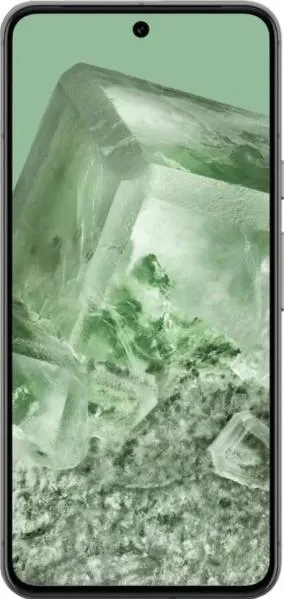
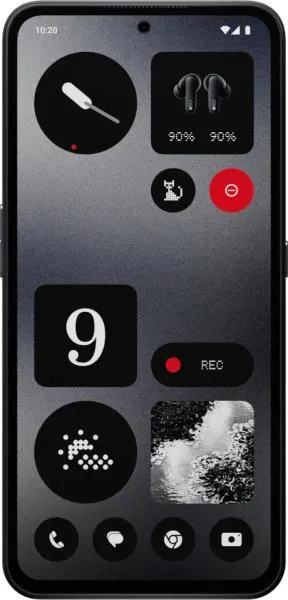
Google Pixel 8 vs. Nothing CMF Phone 1: A Detailed Comparison
Let's dive deep into a comparative analysis of the Google Pixel 8 and the Nothing CMF Phone 1, translating the raw specifications into practical insights for everyday users.
1. Specifications Breakdown
| Feature | Google Pixel 8 | Nothing CMF Phone 1 | Real-World Implications |
|---|---|---|---|
| Design | |||
| Dimensions | 150.5 x 70.8 x 8.9 mm | 164 x 77 x 8.2 mm | Pixel 8 is noticeably smaller and more pocketable. CMF Phone 1 is larger, wider. |
| Weight | 187g | 197g | Pixel 8 is slightly lighter, contributing to better one-handed use. |
| Build | Aluminum frame, Gorilla Glass Victus | Plastic frame, Gorilla Glass | Pixel 8 boasts a more premium build with enhanced durability. |
| Display | |||
| Size | 6.2" | 6.67" | CMF Phone 1 offers a larger screen for more immersive content consumption. |
| Type | OLED, 120Hz, HDR10+ | AMOLED, 120Hz | Both offer smooth scrolling and vibrant colors; Pixel 8 has potential for better HDR. |
| Peak Brightness | 2000 nits | 2000 nits | Excellent outdoor visibility on both devices. |
| Resolution | 1080 x 2400 | 1080 x 2400 | Comparable sharpness; Pixel 8's smaller size results in slightly higher PPI. |
| Performance | |||
| Chipset | Google Tensor G3 | Mediatek Dimensity 7300 | Tensor G3 is expected to excel in AI tasks and image processing. Dimensity 7300 focuses on raw performance and efficiency. |
| CPU | Nona-core (1x3.0 GHz Cortex-X3 & 4x2.45 GHz Cortex-A715 & 4x2.15 GHz Cortex-A510) | Octa-core (4x2.5 GHz Cortex-A78 & 4x2.0 GHz Cortex-A55) | Tensor G3's unique architecture might offer advantages in specific workloads. |
| GPU | Immortalis-G715s MC10 | Mali-G615 MC2 | Immortalis-G715s MC10 generally delivers better gaming performance. |
| RAM | 8GB | 8GB | Comparable multitasking capabilities. |
| Camera | Not provided | Not provided | Insufficient data for comparison. |
| Battery Life | |||
| Capacity | 4575 mAh | 5000 mAh | CMF Phone 1 likely offers longer battery life due to larger capacity. |
| Other | |||
| OS | Android 14 | Android 14 | Both run the latest Android version. Pixel likely to receive updates longer |
| NFC | Yes | No | Pixel 8 supports contactless payments and data transfer via NFC. |
2. Key Insights
- Performance: While both chipsets are built on a 4nm process, the Tensor G3 in the Pixel 8 is Google's custom silicon, optimized for AI, machine learning, and computational photography. The Dimensity 7300 in the CMF Phone 1 leans towards raw performance and efficiency. This translates to a potentially smoother experience with AI-driven features on the Pixel 8, while the CMF Phone 1 could shine in gaming and sustained performance tasks.
- Display: Both phones boast 120Hz refresh rates for fluid scrolling and responsive touch. However, the Pixel 8's OLED panel with HDR10+ support suggests a wider color gamut and potentially better HDR performance compared to the CMF Phone 1's AMOLED display.
- Size and Build: The Pixel 8 offers a more compact and premium feel with its aluminum frame and Gorilla Glass Victus. The CMF Phone 1's larger display might appeal to media consumers, but its plastic frame might feel less premium.
- Battery: The CMF Phone 1's larger 5000 mAh battery promises longer endurance, while the Pixel 8's smaller battery might require more frequent charging.
3. User Profiles and Recommendations
- Pixel 8: Best suited for users who prioritize a premium, compact design, a smooth software experience with AI enhancements, and a vibrant display. Photographers and videographers might also gravitate towards the Pixel's historically strong camera performance (though specs weren't provided here).
- Nothing CMF Phone 1: Ideal for users seeking a large display for media consumption, long battery life, and solid performance at a competitive price point. Gamers on a budget might find the CMF Phone 1 appealing.
4. Buying Decision Framework
- What is your budget? Both are mid-range, but minor price differences might exist.
- Do you prioritize a premium build and compact design or a larger display and longer battery life? This will significantly influence your choice.
- How important are AI-powered features and a seamless software experience? If these are crucial, the Pixel 8 likely takes the lead.
My Choice: I would choose the Google Pixel 8. As a tech journalist focused on the interplay of hardware and software, the Pixel's Tensor G3 with its AI capabilities, combined with the promise of longer software updates and a premium build, aligns better with my priorities. While the CMF Phone 1 offers a larger battery, the Pixel 8's overall user experience, compact form factor, and potential camera advantages (based on historical Pixel performance) would be more compelling for me. The presence of NFC for mobile payments is also a significant factor in my decision.
