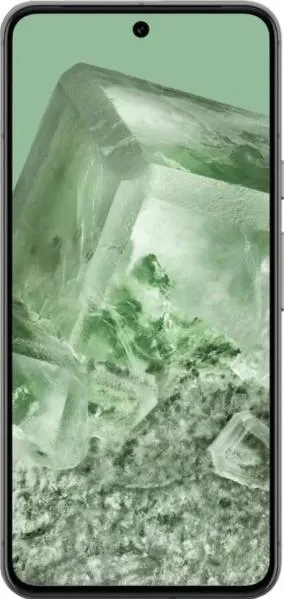
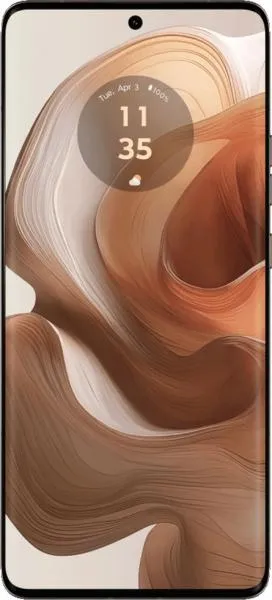
Let's dive into a comparative analysis of the Google Pixel 8 and the Motorola Edge 50 Ultra, dissecting their specifications and translating them into real-world implications for you.
1. Specifications Breakdown
| Feature | Google Pixel 8 | Motorola Edge 50 Ultra | Real-World Implications |
|---|---|---|---|
| Design | |||
| Dimensions | 150.5x70.8x8.9mm | 161.1x72.4x8.6mm | Pixel 8 is noticeably smaller and potentially easier to handle one-handed. Edge 50 Ultra is thinner. |
| Weight | 187g | 197g | Pixel 8 is lighter, contributing to better one-handed use. |
| Display | |||
| Size | 6.2" | 6.7" | Edge 50 Ultra offers a larger screen for more immersive media consumption. |
| Type | OLED, 120Hz | P-OLED, 144Hz | Both offer smooth scrolling and animations; Edge 50 Ultra's higher refresh rate might be smoother. |
| Peak Brightness | 2000 nits | 2500 nits | Edge 50 Ultra should be more visible in direct sunlight. |
| Resolution | 1080x2400 | 1220x2712 | Edge 50 Ultra has a sharper display due to higher resolution and pixel density. |
| Performance | |||
| Chipset | Google Tensor G3 | Snapdragon 8s Gen 3 | Both are high-performance chips; real-world differences likely minor for average users. Tensor G3 optimized for AI tasks |
| CPU | Nona-core | Octa-core | Core configuration differences likely negligible for most users. |
| GPU | Immortalis-G715s MC10 | Adreno 735 | Both GPUs are capable; gaming performance should be comparable. |
| RAM | 8GB | 16GB | Edge 50 Ultra's larger RAM allows for more apps to run in the background without reloading. |
| Storage | 256GB | 512GB | Edge 50 Ultra offers double the storage for apps, photos, and videos. |
| Battery Life | |||
| Capacity | 4575 mAh | 4500 mAh | Battery life should be comparable, real-world usage will vary. |
| Other | |||
| OS | Android 14 | Android 14 | Both run the latest Android version, though long-term updates might differ. |
2. Key Insights
The Pixel 8 prioritizes a compact, lightweight design and leverages Google's Tensor G3 chip for AI-powered features. Its strength lies in software optimization and a clean Android experience.
The Edge 50 Ultra focuses on delivering a premium multimedia experience with a larger, sharper display, higher refresh rate, and more RAM and storage. Its strengths lie in raw power and immersive media consumption.
Trade-offs: The Pixel 8 compromises on screen size and raw power for a more refined, user-friendly experience. The Edge 50 Ultra, while powerful, might be less pocketable due to its larger size and weight.
3. User Profiles and Recommendations
Pixel 8: Ideal for users who value a compact phone with a smooth, intuitive software experience, excellent camera capabilities (not detailed in provided specs, but Pixel is known for camera performance), and frequent software updates.
Edge 50 Ultra: Best suited for power users, gamers, and multimedia enthusiasts who prioritize a large, high-quality display, ample RAM and storage, and top-tier performance.
4. Buying Decision Framework
- What size phone do you prefer? If you prioritize one-handed usability, the Pixel 8 is the clear winner. If you want a larger screen for media, the Edge 50 Ultra is better.
- How important is software experience vs. raw power? The Pixel 8 offers a cleaner, more optimized Android experience. The Edge 50 Ultra provides more horsepower for demanding tasks.
- What's your budget and storage needs? Both are in the mid-range, but the Edge 50 Ultra likely commands a higher price for its superior specs. If you need lots of storage, the 512GB on the Edge is compelling.
My Choice: Google Pixel 8
While the Motorola Edge 50 Ultra boasts impressive specs, I would choose the Google Pixel 8. My priorities lie in a refined software experience, compact form factor, and the generally excellent camera performance associated with Pixel phones. The Tensor G3's AI capabilities are also intriguing, promising innovative features and optimizations. Though the Edge 50 Ultra offers a compelling multimedia experience, the Pixel 8's balance of size, performance, and software aligns better with my personal preferences. The lighter weight and smaller size are significant factors for daily comfortable use. Finally, Google's commitment to timely software updates ensures a longer-lasting, feature-rich experience.
