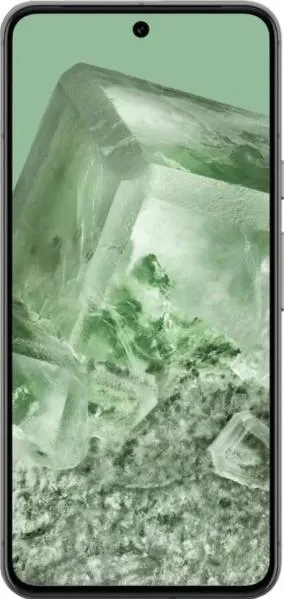
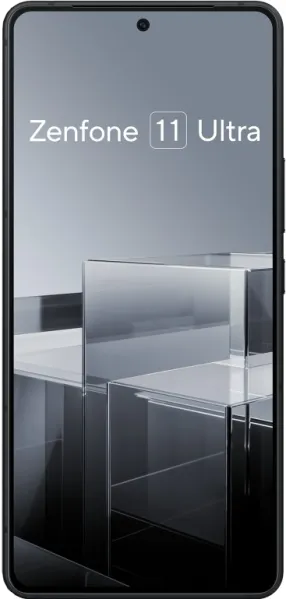
Google Pixel 8 vs. Asus Zenfone 11 Ultra: A Deep Dive
Let's dissect the Google Pixel 8 and the Asus Zenfone 11 Ultra, two intriguing contenders in the smartphone arena. We'll go beyond the spec sheet to uncover what these numbers really mean for you.
1. Specifications Breakdown
| Feature | Google Pixel 8 | Asus Zenfone 11 Ultra | Real-World Implications |
|---|---|---|---|
| Design | |||
| Dimensions | 150.5 x 70.8 x 8.9 mm | 163.8 x 76.8 x 8.9 mm | Pixel 8 is noticeably smaller and easier to handle one-handed. Zenfone 11 Ultra is larger, potentially less pocketable. |
| Weight | 187g | 224g | Pixel 8 is significantly lighter, reducing hand fatigue during extended use. |
| Display | |||
| Size | 6.2" | 6.78" | Zenfone 11 Ultra offers a larger screen for more immersive media consumption. |
| Type | OLED, 120Hz | LTPO AMOLED, 144Hz | Both offer smooth scrolling and animations; Zenfone 11 Ultra's LTPO panel may offer slightly better battery efficiency. |
| Peak Brightness | 2000 nits | 2500 nits | Zenfone 11 Ultra should be more readable in direct sunlight. |
| Resolution | 1080 x 2400 | 1080 x 2400 | Pixel 8's smaller screen has a higher pixel density, making images appear sharper. Zenfone 11 Ultra's larger display offers more screen real estate for multitasking. |
| Performance | |||
| Chipset | Google Tensor G3 | Snapdragon 8 Gen 3 | Snapdragon 8 Gen 3 generally benchmarks higher in raw performance, potentially offering a smoother experience in demanding games and apps. |
| CPU | Nona-core | Octa-core | Core configuration differences are less impactful for average users than overall chip performance. |
| GPU | Immortalis-G715s MC10 | Adreno 750 | Adreno 750 typically delivers stronger gaming performance. |
| RAM | 8GB | 16GB | Zenfone 11 Ultra's doubled RAM allows for more apps to run in the background without reloading. |
| Storage | 256GB | 512GB | Zenfone 11 Ultra offers significantly more storage for photos, videos, and apps. |
| Battery Life | |||
| Capacity | 4575 mAh | 5500 mAh | Zenfone 11 Ultra's larger battery suggests longer usage time, but real-world battery life depends on many factors. |
2. Key Insights
- Pixel 8: Prioritizes a compact, lightweight design and leverages Google's Tensor G3 for AI-powered features and software optimizations. Its strength lies in its seamless software experience and computational photography.
- Zenfone 11 Ultra: Focuses on raw power and immersive media consumption with a larger display, a more powerful Snapdragon processor, and a larger battery. It caters to users who demand top-tier performance and ample storage.
3. User Profiles and Recommendations
- Pixel 8: Ideal for users who value a compact phone with a clean Android experience, excellent camera capabilities, and smooth performance for everyday tasks.
- Zenfone 11 Ultra: Best suited for power users, gamers, and multimedia enthusiasts who prioritize a large screen, top-tier performance, and extensive storage.
4. Buying Decision Framework
- What size phone do you prefer? If pocketability is paramount, the Pixel 8 is the clear winner. If you crave a larger screen for media, the Zenfone 11 Ultra is more appealing.
- What are your performance needs? For everyday tasks and photography, the Pixel 8 is more than capable. For demanding gaming and multitasking, the Zenfone 11 Ultra offers a performance edge.
- How important is software and ecosystem? If you value a pure Android experience with timely updates and Google's AI integration, the Pixel 8 shines. If you prefer customization options and a broader range of pre-installed features, the Zenfone might be a better fit.
My Choice: While the Zenfone 11 Ultra boasts impressive specs, I would choose the Pixel 8. Its compact form factor, clean software experience, and Google's commitment to timely updates are more aligned with my priorities. I value a phone that seamlessly integrates into my workflow without feeling cumbersome, and the Pixel 8 delivers on that promise. While I appreciate the extra power of the Zenfone, the Pixel 8 strikes a better balance between performance, portability, and user experience for my needs. The superior pixel density on the Pixel 8 is also a major draw for me, as I value sharp, crisp visuals on my smartphone display.
