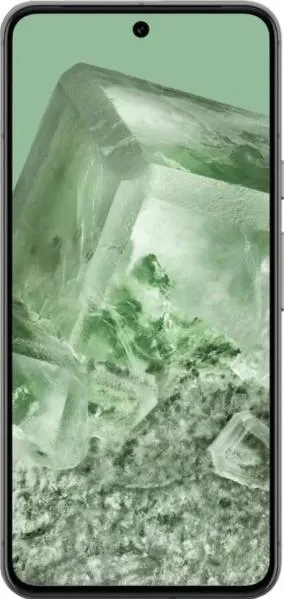
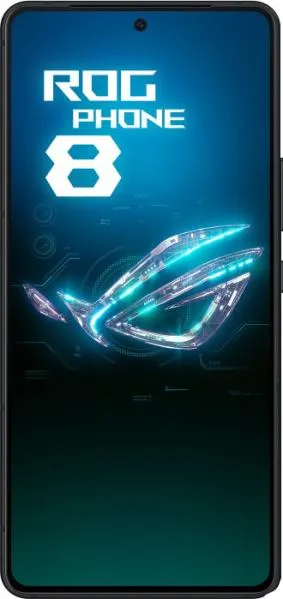
Google Pixel 8 vs. Asus ROG Phone 8: A Deep Dive
Let's dissect the Google Pixel 8 and the Asus ROG Phone 8, two powerful smartphones vying for your attention. We'll go beyond the spec sheet to uncover what these numbers really mean for your daily life.
1. Specifications Breakdown
| Feature | Google Pixel 8 | Asus ROG Phone 8 | Real-World Implications |
|---|---|---|---|
| Design | |||
| Dimensions | 150.5x70.8x8.9mm | 163.8x76.8x8.9mm | ROG Phone 8 significantly larger; Pixel 8 more pocketable. ROG Phone 8 potentially more susceptible to drops |
| Weight | 187g | 225g | Pixel 8 noticeably lighter for comfortable one-handed use. |
| Display | |||
| Size | 6.2" | 6.78" | ROG Phone 8 offers a larger viewing area for media consumption and gaming. |
| Type | OLED, 120Hz | AMOLED, 165Hz | Both offer smooth scrolling and animations; ROG Phone 8 boasts slightly higher refresh rate for gaming. |
| Peak Brightness | 2000 nits | 2500 nits | ROG Phone 8 excels in direct sunlight readability. |
| Resolution | 1080 x 2400 | 1080 x 2400 | Same resolution, but Pixel 8 has a higher pixel density due to smaller screen size, resulting in sharper images |
| Performance | |||
| Chipset | Google Tensor G3 | Snapdragon 8 Gen 3 | Both are flagship chipsets; Snapdragon 8 Gen 3 generally benchmarks higher in raw performance. |
| CPU | Nona-core | Octa-core | Core configuration differences subtle in real-world use; both offer excellent multi-tasking. |
| GPU | Immortalis-G715s MC10 | Adreno 750 | Adreno 750 generally considered more powerful for gaming. |
| RAM | 8GB | 16GB | ROG Phone 8's double the RAM enables smoother multitasking and demanding game performance. |
| Battery | |||
| Capacity | 4575 mAh | 6000 mAh | ROG Phone 8 offers significantly longer battery life. |
| Other | |||
| OS | Android 14 | Android 14 | Both run the latest Android version. |
| Storage | 256GB | 256GB | Equal storage capacity for apps, photos, and videos. |
2. Key Insights
- Pixel 8: Emphasizes a refined, balanced experience. Its strength lies in Google's software optimization, AI-powered features, and a superb camera (not detailed in the provided specs, but historically a Pixel strong suit). Expect a smooth, intuitive user experience with timely updates.
- ROG Phone 8: A gaming powerhouse. The higher refresh rate display, more powerful GPU, massive RAM, and larger battery scream "performance." It's built for demanding tasks and extended gaming sessions.
3. User Profiles and Recommendations
- Pixel 8: Ideal for users who prioritize a polished software experience, excellent photography, and a compact, pocketable design. Best for everyday use, social media, content consumption, and light gaming.
- ROG Phone 8: Perfect for hardcore mobile gamers, power users, and anyone who demands top-tier performance. Its larger battery also caters to those who need all-day endurance.
4. Buying Decision Framework
- What's your primary use case? Everyday tasks vs. demanding gaming and heavy multitasking.
- How important is portability? The Pixel 8 is considerably smaller and lighter.
- What's your budget? While both are in the "medium price" range, the ROG Phone 8 might command a premium due to its gaming focus.
My Choice: The Google Pixel 8
While the ROG Phone 8 is a beast in terms of performance, the Pixel 8 better suits my needs. I value a seamless software experience, a compact form factor, and excellent camera performance (assuming it maintains the Pixel legacy). The Tensor G3, while perhaps not as powerful in benchmarks as the Snapdragon 8 Gen 3, is more than capable for my daily workflow, which involves writing, communication, and moderate media consumption. The ROG Phone 8's extra power and gaming-centric features would be largely underutilized for me. I'd rather prioritize the Pixel's refined user experience and portability. The significantly lighter weight and smaller dimensions make a noticeable difference in daily comfort.
