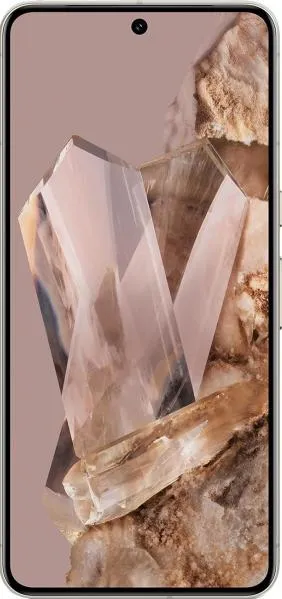
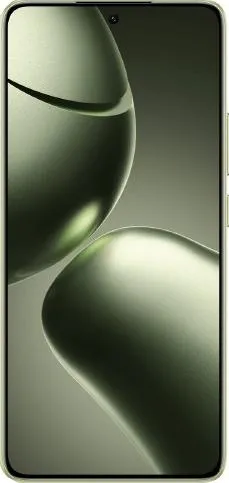
Google Pixel 8 Pro vs. Xiaomi 14T: A Deep Dive
Let's dissect the Google Pixel 8 Pro and the Xiaomi 14T, translating their spec sheets into real-world experiences.
1. Specifications Breakdown
| Feature | Google Pixel 8 Pro | Xiaomi 14T | Real-World Implications |
|---|---|---|---|
| Design | |||
| Dimensions | 162.6 x 76.5 x 8.8 mm | 160.5 x 75.1 x 7.8 mm | Xiaomi 14T is slightly smaller and thinner, potentially improving one-handed use. |
| Weight | 213g | 193g | Xiaomi 14T is noticeably lighter, reducing hand fatigue during extended use. |
| Display | |||
| Display Type | LTPO OLED | AMOLED | Both offer vibrant colors and deep blacks. Pixel's LTPO allows for more granular refresh rate adjustments, potentially saving battery. |
| Size | 6.7" | 6.67" | Negligible size difference; both offer immersive viewing experiences. |
| Resolution | 1344 x 2992 | 1220 x 2712 | Pixel 8 Pro boasts a sharper display (higher pixel density), resulting in crisper text and images. |
| Refresh Rate | 120Hz | 144Hz | Xiaomi 14T's higher refresh rate delivers smoother scrolling and animations, especially noticeable in gaming. |
| Peak Brightness | 2400 nits | 4000 nits | Xiaomi 14T achieves significantly higher peak brightness, ensuring excellent outdoor visibility even in direct sunlight. |
| Performance | |||
| Chipset | Google Tensor G3 | Mediatek Dimensity 8300 Ultra | Both are powerful 4nm chips, but real-world performance will depend on optimization. Tensor G3 is expected to excel in AI tasks. |
| CPU | Nona-core | Octa-core | Core configuration differences are less crucial than overall chip optimization for user experience. |
| GPU | Immortalis-G715s MC10 | Mali G615-MC6 | Immortalis-G715 MC10 generally offers better graphical performance for demanding games and applications. |
| RAM | 12GB | 12GB | Both offer ample RAM for smooth multitasking. |
| Storage | 256/512/1000 GB | 512GB | Pixel offers more storage configuration options, catering to varying needs. |
| Battery | |||
| Capacity | 5050 mAh | 5000 mAh | Very similar battery capacities; real-world battery life will depend on software optimization and usage patterns. |
| Other | |||
| OS | Android 14 | Android 14 | Both run the latest Android version, but Pixel typically receives faster and longer software updates. |
| USB | USB Type-C 3.2 | USB Type-C 2.0 | Pixel offers faster data transfer speeds. |
2. Key Insights
- Display: The Xiaomi 14T boasts a brighter display and a faster refresh rate, making it ideal for outdoor use and gaming. The Pixel 8 Pro counters with a sharper, potentially more power-efficient display.
- Performance: While both chipsets are powerful, the Tensor G3 in the Pixel 8 Pro is likely to offer a superior AI experience and potentially smoother overall performance due to tighter integration with the software.
- Software & Updates: Pixel phones enjoy a reputation for receiving timely software updates and innovative features directly from Google, providing a longer support window and a cleaner Android experience.
- Cameras: Specification data for cameras is missing, but historically, Pixel phones have excelled in computational photography, often outperforming competitors with seemingly superior hardware.
3. User Profiles and Recommendations
- Pixel 8 Pro: Best for users prioritizing a clean Android experience, timely updates, AI capabilities, and a strong camera performance (assuming Pixel's traditional camera strength).
- Xiaomi 14T: Ideal for users who value a bright, high refresh rate display, excellent battery life, and potentially a more affordable price point. Gamers and those who frequently use their phones outdoors might prefer the 14T.
4. Buying Decision Framework
- What is your budget? The Xiaomi 14T is expected to be more affordable.
- What are your priorities? Camera, software updates, and AI? Choose the Pixel. Display, gaming, and battery life? Consider the Xiaomi 14T.
- How important is long-term software support? Pixel phones usually receive longer and faster updates.
My Choice: Google Pixel 8 Pro
While the Xiaomi 14T offers compelling features like a stunning display and potentially longer battery life, I would choose the Google Pixel 8 Pro. My decision hinges on the following:
- Software Experience: I value the clean, bloatware-free Android experience and the promise of rapid updates that Pixel phones deliver. This ensures I have the latest features and security patches.
- AI Integration: The Tensor G3's focus on AI resonates with me. I appreciate features powered by machine learning that enhance productivity and user experience.
- Camera Performance: Historically, Pixel phones have set the benchmark for mobile photography. Assuming the Pixel 8 Pro continues this tradition, it's a crucial factor in my decision.
While the Xiaomi 14T is a strong contender, the Pixel 8 Pro's software advantages, AI capabilities, and anticipated camera prowess align better with my personal priorities. It represents a more holistic and future-proof investment for my needs.
