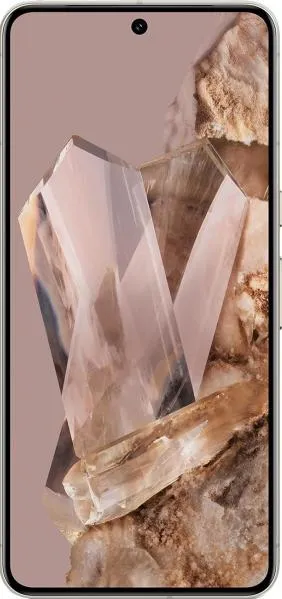
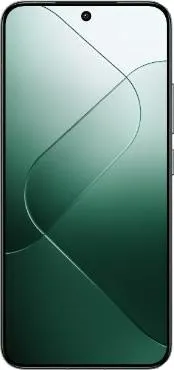
Google Pixel 8 Pro vs. Xiaomi 14: A Deep Dive
The smartphone landscape is constantly evolving, and 2023's offerings from Google and Xiaomi are no exception. Let's dissect the Google Pixel 8 Pro and the Xiaomi 14, translating their impressive specs into real-world experiences to help you decide which phone fits your needs.
1. Specifications Breakdown
| Feature | Google Pixel 8 Pro | Xiaomi 14 | Real-World Implications |
|---|---|---|---|
| Design | |||
| Dimensions | 162.6 x 76.5 x 8.8 mm | 152.8 x 71.5 x 8.2 mm | Xiaomi 14 is noticeably smaller and lighter, potentially more comfortable for one-handed use. |
| Weight | 213g | 188g | Lighter phone reduces hand fatigue during extended use. |
| Display | |||
| Size | 6.7" | 6.36" | Pixel 8 Pro offers more screen real estate for media consumption. |
| Type | LTPO OLED, 120Hz | LTPO OLED, 120Hz | Both offer smooth scrolling and animations with potential for battery savings due to LTPO. |
| Resolution | 1344 x 2992 | 1200x2670 | Pixel 8 Pro has a slightly sharper display. Difference may not be noticeable in daily use. |
| Peak Brightness | 2400 nits | 3000 nits | Xiaomi 14 can get significantly brighter outdoors. |
| Performance | |||
| Chipset | Google Tensor G3 | Snapdragon 8 Gen 3 | Both are flagship chipsets, but Snapdragon generally benchmarks higher in raw performance. Tensor G3 focuses on AI and machine learning enhancements. |
| CPU | Nona-core | Octa-core | Core configuration differences are less significant than overall chipset performance and optimization. |
| GPU | Immortalis-G715s MC10 | Adreno 750 | Adreno 750 typically offers a slight edge in gaming performance. |
| RAM | 12GB | 12GB | Ample RAM for multitasking on both devices. |
| Battery | |||
| Capacity | 5050 mAh | 4610 mAh | Pixel 8 Pro has a larger battery, potentially leading to longer battery life. Real-world usage will vary. |
| Software | |||
| OS | Android 14 | Android 14 | Both run the latest Android version, but Pixel offers a cleaner, faster update experience and unique Google features. Xiaomi overlays its MIUI skin which can impact the user experience. |
2. Key Insights
- Performance: While benchmarks might favor the Snapdragon 8 Gen 3 in the Xiaomi 14, the Tensor G3 in the Pixel 8 Pro excels in AI-powered tasks, photography processing, and on-device language models. This translates to a smoother, more intuitive user experience in daily tasks and superior camera capabilities for the Pixel.
- Display: Both displays are top-tier, but the Xiaomi 14's higher peak brightness will be a significant advantage in direct sunlight. The Pixel 8 Pro's slightly higher resolution might offer a marginal sharpness advantage, but it's unlikely to be a major deciding factor.
- Software Experience: Pixel phones boast a pure Android experience with guaranteed timely updates directly from Google. Xiaomi's MIUI offers customization options but can feel less refined and may come with pre-installed bloatware. Update frequency and speed are also generally slower compared to Pixel phones.
3. User Profiles and Recommendations
- Pixel 8 Pro: Ideal for users who prioritize a clean Android experience, fast updates, innovative AI features, and a top-tier camera. Its larger battery and display make it great for media consumption and productivity.
- Xiaomi 14: Suited for users who value raw performance, a brighter display for outdoor use, a more compact form factor, and don't mind navigating a customized Android skin. Potentially a better option for gamers due to the Adreno GPU.
4. Buying Decision Framework
- Do you prioritize a clean, bloatware-free Android experience with guaranteed updates? If yes, the Pixel 8 Pro is the clear winner.
- Is raw performance for gaming or demanding tasks your primary concern? If so, the Xiaomi 14 with the Snapdragon 8 Gen 3 might be a better choice.
- Do you frequently use your phone outdoors in bright sunlight? The Xiaomi 14's superior peak brightness makes it the better option in this scenario.
My Choice: Google Pixel 8 Pro
While the Xiaomi 14 boasts impressive hardware, I would choose the Google Pixel 8 Pro. The clean Android experience, consistent and speedy updates, coupled with the Tensor G3's AI prowess, are compelling advantages for me. The slightly larger battery and superior camera system solidify my choice. I value seamless integration and a smooth user experience over raw benchmark numbers, and the Pixel 8 Pro consistently delivers in these areas. The fact that the display is still incredibly bright, albeit not as bright as the Xiaomi 14, means it's not a significant compromise for me. Ultimately, the Pixel 8 Pro aligns more closely with my personal priorities in a smartphone.
