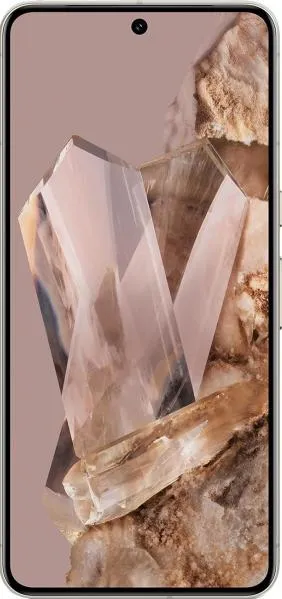
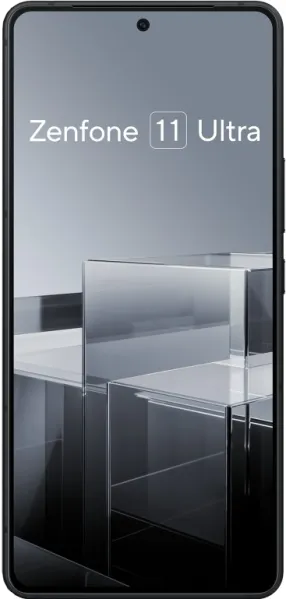
Google Pixel 8 Pro vs. Asus Zenfone 11 Ultra: A Deep Dive
Let's dissect the Google Pixel 8 Pro and the Asus Zenfone 11 Ultra, two powerful contenders in the smartphone arena. We'll go beyond the spec sheet to understand what these numbers truly mean for your daily life.
1. Specifications Breakdown
| Feature | Google Pixel 8 Pro | Asus Zenfone 11 Ultra | Real-World Implications |
|---|---|---|---|
| Design | |||
| Dimensions | 162.6 x 76.5 x 8.8 mm | 163.8 x 76.8 x 8.9 mm | Zenfone slightly larger; negligible difference in hand feel |
| Weight | 213g | 224g | Pixel feels noticeably lighter for extended use |
| Display | |||
| Size | 6.7" | 6.78" | Virtually identical screen real estate |
| Type | LTPO OLED | LTPO AMOLED | Both offer excellent color accuracy and power efficiency |
| Resolution | 1344 x 2992 | 1080 x 2400 | Pixel boasts significantly sharper visuals (higher pixel density) |
| Refresh Rate | 120Hz | 144Hz | Zenfone smoother for gaming and scrolling, but impacts battery |
| Peak Brightness | 2400 nits | 2500 nits | Both incredibly bright, easily viewable in direct sunlight |
| Performance | |||
| Chipset | Google Tensor G3 | Snapdragon 8 Gen 3 | Both are top-tier chipsets, but Snapdragon generally benchmarks higher |
| CPU | Nona-core | Octa-core | Core count difference less significant than architecture & clock speeds |
| GPU | Immortalis-G715s MC10 | Adreno 750 | Adreno 750 expected to deliver stronger gaming performance |
| RAM | 12GB | 16GB | Zenfone's extra RAM benefits heavy multitasking |
| Storage | 256GB - 1TB | 512GB | Pixel offers more storage options |
| Battery Life | |||
| Capacity | 5050 mAh | 5500 mAh | Zenfone has a larger battery, potentially longer lasting |
| Software | |||
| OS | Android 14 | Android 14 | Both launch with the latest Android; Pixel likely faster updates |
2. Key Insights
- Display: The Pixel 8 Pro packs a sharper display, making text crisper and images more detailed. The Zenfone 11 Ultra counters with a higher refresh rate, resulting in smoother animations and scrolling.
- Performance: The Snapdragon 8 Gen 3 in the Zenfone 11 Ultra is generally expected to outperform the Tensor G3 in benchmarks, especially in graphics-intensive tasks. However, Tensor G3 excels in AI and machine learning, powering unique Pixel features. The Zenfone also boasts more RAM, making it ideal for power users who juggle numerous apps.
- Battery: The Zenfone 11 Ultra's larger battery suggests longer endurance. However, real-world battery life depends heavily on usage patterns and software optimization. The Pixel's LTPO display can dynamically adjust its refresh rate to conserve power.
- Software Experience: While both phones run Android 14, the Pixel offers a cleaner, stock Android experience with faster updates directly from Google. Asus typically adds its own software skin, which can impact performance and update frequency.
3. User Profiles and Recommendations
- Pixel 8 Pro: Ideal for users who prioritize a clean software experience, a brilliant, sharp display, and innovative camera features powered by Google's AI. Photographers and videographers will appreciate the Pixel's camera prowess.
- Zenfone 11 Ultra: Best suited for power users, gamers, and those who demand the absolute highest performance. The larger battery and higher refresh rate cater to extended use and demanding tasks.
4. Buying Decision Framework
- What is your priority: pure performance or a refined software experience? If raw power is paramount, the Zenfone has the edge. If you value a clean, bloatware-free experience with guaranteed fast updates, the Pixel is the winner.
- How important is display sharpness versus refresh rate? Prioritize the Pixel for crisper visuals and the Zenfone for smoother scrolling and gaming.
- What is your budget and storage requirement? Consider the Pixel if you need more storage options, and factor in the potentially higher price of the top-tier Pixel configuration.
My Choice: The Google Pixel 8 Pro
While the Zenfone 11 Ultra boasts impressive specs, the Pixel 8 Pro aligns more closely with my personal preferences. I value the clean, stock Android experience and the promise of timely updates. The sharper display is a significant draw for me, as I consume a lot of media on my phone. Furthermore, Google's computational photography consistently impresses, and I appreciate the innovative features powered by the Tensor G3. While the Zenfone might offer a slight edge in raw performance, the Pixel's overall package, including software, display, and camera, makes it the more compelling device for my needs.
