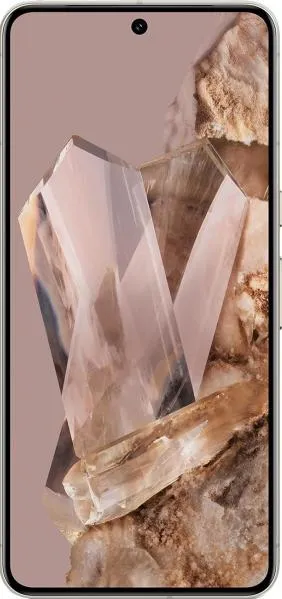
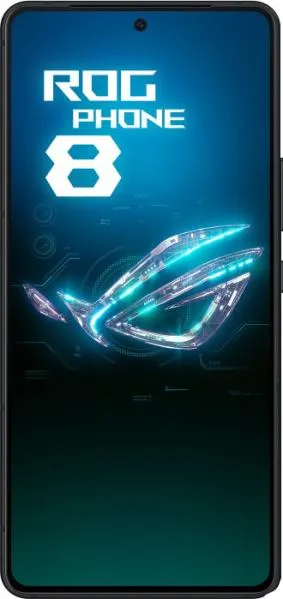
Google Pixel 8 Pro vs. Asus ROG Phone 8: A Deep Dive
Let's dissect the Google Pixel 8 Pro and the Asus ROG Phone 8, two powerful smartphones vying for your attention. We'll go beyond the spec sheet to uncover what these numbers really mean for your daily life.
1. Specifications Breakdown
| Feature | Google Pixel 8 Pro | Asus ROG Phone 8 | Real-World Implications | |||||
|---|---|---|---|---|---|---|---|---|
| Design | ||||||||
| Dimensions | 162.6 x 76.5 x 8.8 mm | 163.8 x 76.8 x 8.9 mm | ROG Phone 8 slightly larger; negligible difference in hand feel for most users. | |||||
| Weight | 213g | 225g | Pixel 8 Pro noticeably lighter, reducing hand fatigue during extended use. | |||||
| Display | ||||||||
| Size | 6.7" | 6.78" | Virtually identical screen real estate. | |||||
| Type | LTPO OLED | LTPO AMOLED | Both offer excellent color accuracy and power efficiency. AMOLED generally boasts deeper blacks. | |||||
| Resolution | 1344 x 2992 | 1080 x 2400 | Pixel 8 Pro significantly sharper (489 ppi vs. 388 ppi), resulting in crisper text and images. | |||||
| Refresh Rate | 120Hz | 165Hz | ROG Phone 8 smoother for gaming and fast-paced content; Pixel's 120Hz still provides a fluid experience. | |||||
| Peak Brightness | 2400 nits | 2500 nits | ROG Phone 8 slightly brighter in direct sunlight, though both excel in outdoor visibility. | Performance | ||||
| Chipset | Google Tensor G3 | Snapdragon 8 Gen 3 | Both are flagship chipsets, but Snapdragon 8 Gen 3 generally benchmarks higher in raw processing power. | |||||
| CPU | Nona-core | Octa-core | Core configuration differences less impactful than overall chipset performance for average users. | |||||
| GPU | Immortalis-G715s MC10 | Adreno 750 | Adreno 750 generally considered more powerful for gaming; Pixel's GPU optimized for AI and photography. | |||||
| RAM | 12GB | 16GB | ROG Phone 8 has more RAM, beneficial for heavy multitasking and demanding games. | |||||
| Battery Life | ||||||||
| Capacity | 5050 mAh | 6000 mAh | ROG Phone 8 boasts significantly larger battery capacity, promising longer usage time. |
2. Key Insights
- Display: The Pixel 8 Pro's higher resolution delivers a noticeably sharper display. While the ROG Phone 8 boasts a faster refresh rate, the Pixel's 120Hz is still incredibly smooth. The difference in brightness is negligible in real-world use.
- Performance: The ROG Phone 8, with its Snapdragon 8 Gen 3 and 16GB of RAM, edges out the Pixel in raw power, especially for gaming. However, the Pixel's Tensor G3 excels in AI-powered tasks like photography and voice assistance.
- Battery Life: The ROG Phone 8's larger battery will likely last considerably longer on a single charge, a major advantage for power users.
- Software: Pixel offers a cleaner, more streamlined Android experience with faster updates directly from Google, while Asus adds gaming focused features and customizations.
3. User Profiles and Recommendations
- Pixel 8 Pro: Best for users prioritizing a premium camera, clean Android experience, compact design, and a vibrant, sharp display. Excellent for everyday use, photography enthusiasts, and those who value software updates.
- ROG Phone 8: Ideal for hardcore mobile gamers, power users who demand top-tier performance, and those who prioritize long battery life. The additional gaming-centric features like Air Triggers will appeal to a specific audience.
4. Buying Decision Framework
- What are your primary smartphone activities? Gaming, photography, general use?
- How important is battery life? Do you need a phone that can last all day with heavy use?
- Do you value a pure Android experience or prefer customization options?
My Choice: Google Pixel 8 Pro
While the ROG Phone 8 is a performance beast, I would choose the Google Pixel 8 Pro. Its superior display sharpness, lighter weight, and cleaner Android experience align more closely with my priorities. The Tensor G3, while not as powerful as the Snapdragon 8 Gen 3 in benchmarks, excels in the areas I value most: photography and AI-driven features. The Pixel's commitment to timely software updates is also a significant factor. Though the ROG Phone 8 has an impressive battery, I am willing to compromise for a more refined overall experience. For my usage - which focuses on photography, writing, communication, and web browsing - the Pixel 8 Pro strikes the perfect balance.
