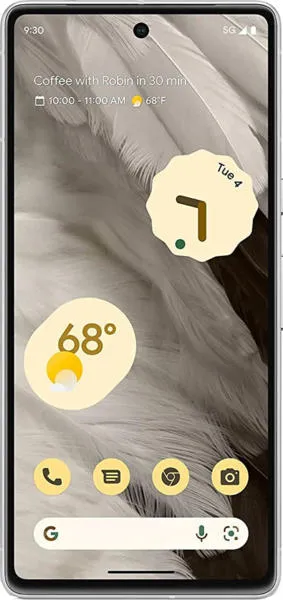
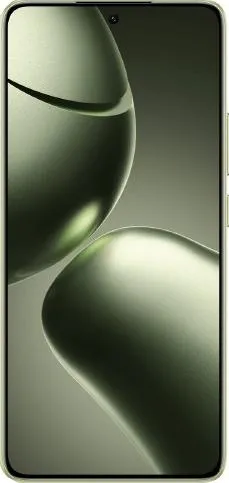
Let's dive into a comparative analysis of the Google Pixel 7 and the Xiaomi 14T, dissecting their specifications and uncovering what they truly mean for the everyday user.
1. Specifications Breakdown
| Feature | Google Pixel 7 | Xiaomi 14T | Real-World Implications |
|---|---|---|---|
| Design | |||
| Dimensions (mm) | 155.6 x 73.2 x 8.7 | 160.5 x 75.1 x 7.8 | Xiaomi 14T is slightly larger and thinner. Pixel 7 feels denser in hand. |
| Weight (g) | 197 | 193 | Negligible difference in weight. |
| Display | |||
| Size (inches) | 6.3 | 6.67 | Xiaomi 14T offers a larger screen for more immersive media consumption. |
| Resolution (px) | 1080 x 2400 | 1220 x 2712 | Xiaomi 14T boasts sharper visuals due to higher resolution. |
| Refresh Rate (Hz) | 90 | 144 | Xiaomi 14T's higher refresh rate results in smoother scrolling and animations, especially noticeable in gaming. |
| Peak Brightness (nits) | 1400 | 4000 | Xiaomi 14T's significantly higher peak brightness ensures better visibility in direct sunlight. |
| Performance | |||
| Chipset | Google Tensor G2 | Mediatek Dimensity 8300 Ultra | Both are powerful chips, but benchmarks would be needed to compare real-world performance. Dimensity 8300 Ultra likely has a CPU advantage, while Tensor G2 excels in AI tasks. |
| RAM (GB) | 8 | 12 | Xiaomi 14T's larger RAM allows for more efficient multitasking and smoother performance with demanding applications. |
| Camera | |||
| Main Camera (MP) | 50 | 50 | Comparable megapixel count, but sensor quality and processing will determine the actual image quality. Xiaomi 14T utilizes a Sony IMX906 sensor known for good low-light performance. |
| Ultrawide (MP) | 12 | 13 | Minor difference in ultrawide resolution. |
| Telephoto (MP) | N/A | 50 | Xiaomi 14T offers a dedicated telephoto lens for optical zoom, a significant advantage for capturing distant subjects. |
| Battery Life | |||
| Capacity (mAh) | 4355 | 5000 | Xiaomi 14T has a larger battery, potentially translating to longer usage time. Real-world battery life depends on usage patterns and software optimization. |
2. Key Insights
The Xiaomi 14T excels in raw specifications with a larger, sharper display with a faster refresh rate, more RAM, a larger battery, and a triple camera system including a telephoto lens. It caters to users prioritizing multimedia consumption, gaming, and versatile photography.
The Pixel 7, however, leverages Google's renowned software prowess and the Tensor G2 chip for a unique user experience. It shines in computational photography, AI-powered features, and timely software updates. The Pixel 7 prioritizes a refined, smooth user experience and class-leading image quality within a more compact form factor.
3. User Profiles and Recommendations
Pixel 7: Ideal for users who value a clean Android experience, top-notch camera performance, compact size, and timely software updates. Best suited for photography enthusiasts, casual gamers, and those who prioritize software over raw specifications.
Xiaomi 14T: Best for users who demand a large, high-refresh-rate display, powerful performance for demanding tasks and gaming, long battery life, and versatile camera capabilities including optical zoom. A great choice for power users, multimedia enthusiasts, and mobile gamers.
4. Buying Decision Framework
- What is your budget? The Xiaomi 14T is generally more expensive than the Pixel 7.
- What screen size and refresh rate do you prefer? Larger display and higher refresh rate point to the Xiaomi 14T.
- What is your photography style? Pixel excels in point-and-shoot and computational photography, while Xiaomi 14T offers more versatility with the telephoto lens.
My Choice:
If I were choosing between these two, I would lean towards the Pixel 7. While the Xiaomi 14T boasts impressive hardware, my priorities lie in a refined software experience, consistent performance, compact form factor, and exceptional camera quality, all areas where the Pixel 7 shines. The Tensor G2's AI capabilities and Google's commitment to software updates further solidify my preference. I value the seamless integration of hardware and software that Google consistently delivers, even if it means sacrificing some raw specifications. The cleaner Android experience and quicker updates are major deciding factors for me. I am also willing to compromise on screen size and refresh rate for a more pocketable device. Ultimately, it comes down to personal preferences, and for me, the Pixel 7 strikes the right balance.
