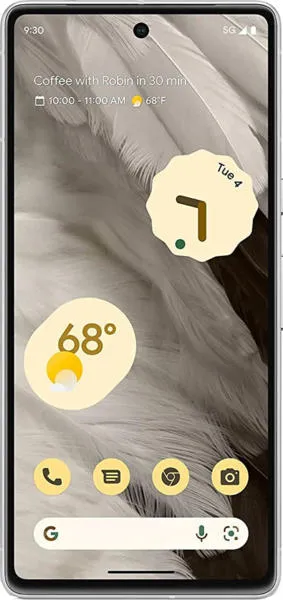
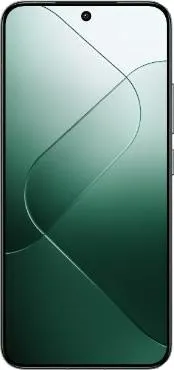
Google Pixel 7 vs. Xiaomi 14: A Deep Dive for the Discerning Smartphone User
The smartphone landscape is constantly evolving, with new contenders vying for your attention. Today, we'll dissect two compelling devices: the Google Pixel 7 and the Xiaomi 14. We'll go beyond the spec sheet, translating technical jargon into practical insights to help you choose the perfect phone for your needs.
1. Specifications Breakdown
| Feature | Google Pixel 7 | Xiaomi 14 | Real-World Implications | |
|---|---|---|---|---|
| Design | ||||
| Dimensions (mm) | 155.6 x 73.2 x 8.7 | 152.8 x 71.5 x 8.2 | Xiaomi 14 is slightly smaller and thinner. | |
| Weight (g) | 197 | 188 | Xiaomi 14 feels noticeably lighter in hand. | |
| Display | ||||
| Size (inches) | 6.3 | 6.36 | Negligible difference in screen real estate. | |
| Resolution (px) | 1080 x 2400 | 1200 x 2670 | Xiaomi 14 boasts sharper visuals and text. | |
| Refresh Rate (Hz) | 90 | 120 | Xiaomi 14 offers smoother scrolling and animations. | |
| Display Type | AMOLED | LTPO OLED | Xiaomi 14's LTPO panel enables dynamic refresh rate adjustment for better battery efficiency. | |
| Peak Brightness(nits) | 1400 | 3000 | Xiaomi 14 excels in outdoor visibility. | |
| Performance | ||||
| Chipset | Google Tensor G2 | Snapdragon 8 Gen 3 | Xiaomi 14's newer chipset promises significantly faster processing and graphics performance. | |
| CPU | Octa-core (2x2.85 GHz Cortex-X1 & 2x2.35 GHz Cortex-A78 & 4x1.80 GHz Cortex-A55) | Octa-core (1x3.3 GHz Cortex-X4 & 3x3.2 GHz Cortex-A720 & 2x3.0 GHz Cortex-A720 & 2x2.3 GHz Cortex-A520) | Xiaomi 14 has a more powerful and efficient CPU architecture. | |
| RAM (GB) | 8 | 12 | Xiaomi 14's larger RAM allows for smoother multitasking and more demanding applications. | |
| Camera | ||||
| Main Camera (MP) | 50 | 50 | Comparable resolution, but sensor and lens differences will impact image quality. | |
| Ultrawide (MP) | 12 | 50 | Xiaomi 14's significantly higher resolution ultrawide offers superior detail and flexibility. | |
| Telephoto (MP) | N/A | 50 | Xiaomi 14 includes a dedicated telephoto lens for optical zoom. | |
| Battery Life | ||||
| Capacity (mAh) | 4355 | 4610 | Xiaomi 14 has a slightly larger battery. Real-world battery life will depend on usage and optimization. |
2. Key Insights
Performance Powerhouse: The Xiaomi 14, with its Snapdragon 8 Gen 3 and ample RAM, is undoubtedly the performance champion. It's built for demanding tasks, gaming, and future-proofing. The Pixel 7, while capable, targets a different user.
Display Delight: The Xiaomi 14's LTPO OLED display with a 120Hz refresh rate and higher resolution offers a visually richer experience. The superior brightness makes it ideal for outdoor use. The Pixel 7's 90Hz AMOLED is still good, but not class-leading.
Camera Comparison: Both phones boast impressive camera systems, but the Xiaomi 14 edges out with its versatile triple-lens setup, including a high-resolution ultrawide and a dedicated telephoto lens. The Pixel 7 relies heavily on Google's computational photography prowess.
Software and Ecosystem: The Pixel 7 offers a pure Android experience with faster updates and unique Google features. The Xiaomi 14 runs MIUI, which offers customization options but might not appeal to everyone.
3. User Profiles and Recommendations
Pixel 7: Ideal for users prioritizing a clean Android experience, timely updates, and excellent camera performance in a compact package. Best for those embedded in the Google ecosystem.
Xiaomi 14: Geared towards power users, gamers, and photography enthusiasts who demand top-tier performance, a stunning display, and versatile camera capabilities.
4. Buying Decision Framework
- What is your budget? The Xiaomi 14 is generally more expensive.
- What are your performance needs? For demanding tasks and gaming, the Xiaomi 14 is superior.
- Do you prioritize a pure Android experience or customization options? Pixel 7 for pure Android, Xiaomi 14 for MIUI.
My Choice: The Xiaomi 14
While I appreciate the clean software experience of the Pixel 7, the Xiaomi 14's compelling combination of cutting-edge performance, a brilliant display, and a versatile camera system makes it the winner for me. The future-proof hardware, particularly the Snapdragon 8 Gen 3, ensures a smooth user experience for years to come. The significantly improved ultrawide and the addition of a telephoto lens cater to my photography needs. While MIUI isn't my favorite Android skin, the sheer power and hardware capabilities of the Xiaomi 14 outweigh that consideration for my personal use case.
