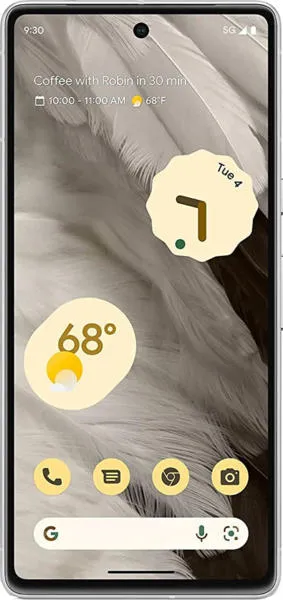
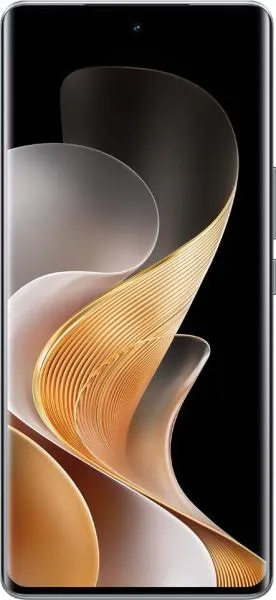
Google Pixel 7 vs. vivo V40: A Deep Dive for the Discerning Smartphone User
The smartphone landscape is constantly evolving, and choosing the right device can feel overwhelming. Today, we'll dissect the Google Pixel 7 and the vivo V40, two compelling mid-range contenders, to help you navigate this decision. We'll go beyond the spec sheet, translating technical jargon into real-world implications for your daily life.
1. Specifications Breakdown
Let's start with a detailed comparison of their key specifications:
| Feature | Google Pixel 7 | vivo V40 | Real-World Implications |
|---|---|---|---|
| Design | |||
| Dimensions (mm) | 155.6 x 73.2 x 8.7 | 164.2 x 75 x 7.6 | Pixel 7 is more compact and pocketable. Vivo V40 is taller and slightly wider. |
| Weight (g) | 197 | 190 | Negligible weight difference in hand. |
| Display | |||
| Size (inches) | 6.3 | 6.78 | Vivo V40 offers a significantly larger screen for media consumption. |
| Resolution (px) | 1080 x 2400 | 1260 x 2800 | Vivo V40 has a sharper display. |
| Refresh Rate (Hz) | 90 | 120 | Vivo V40's higher refresh rate results in smoother scrolling and animations. |
| Display Type | AMOLED, 90Hz, HDR10+ | AMOLED, 120Hz, HDR10+ | Both offer vibrant colors and deep blacks; Vivo V40 boasts smoother visuals. |
| Peak Brightness (nits) | 1400 | 4500 | Vivo V40 will be significantly brighter and more readable in direct sunlight. |
| Performance | |||
| Chipset | Google Tensor G2 (5 nm) | Snapdragon 7 Gen 3 (4 nm) | Both offer solid mid-range performance; benchmarks needed for definitive comparison. |
| CPU | Octa-core (2x2.85 GHz Cortex-X1 & ...) | Octa-core (1x2.63 GHz Cortex-A715 & ...) | Tensor G2 is optimized for AI tasks; Snapdragon 7 Gen 3 likely has stronger general performance. |
| RAM (GB) | 8 | 12 | Vivo V40's larger RAM enables better multitasking and app switching. |
| Camera | |||
| Main Camera (MP) | 50 | 50 | Comparable main camera resolution. Real-world image quality depends on sensor and processing. |
| Selfie Camera (MP) | 10.8 | 50 | Vivo V40 boasts a much higher resolution selfie camera. |
| Video | Up to 4K@60fps | Up to 4K@30fps | Pixel 7 offers higher resolution video recording capabilities. |
| Battery Life | |||
| Capacity (mAh) | 4355 | 5500 | Vivo V40 has a significantly larger battery, potentially leading to longer usage time. |
2. Key Insights
- Performance: While both chipsets offer strong performance, the Tensor G2 in the Pixel 7 excels in AI-driven tasks like voice recognition and computational photography. The Snapdragon 7 Gen 3 in the vivo V40 likely provides a more traditional performance advantage in gaming and demanding applications.
- Display: The vivo V40's larger, sharper display with a 120Hz refresh rate provides a more immersive and fluid visual experience. However, the Pixel 7's display is still excellent for everyday use. The dramatically higher peak brightness of the Vivo V40 is a significant advantage.
- Camera: Both phones feature a 50MP main camera, but the Pixel 7's computational photography prowess, driven by the Tensor G2, often results in superior image quality, especially in challenging lighting conditions. The vivo V40 counters with a higher-resolution selfie camera.
- Battery: The vivo V40's substantially larger 5500mAh battery promises significantly longer battery life compared to the Pixel 7.
3. User Profiles and Recommendations
- Pixel 7: Ideal for users who prioritize a compact form factor, a clean Android experience with timely updates, and exceptional camera performance, particularly in low light. Best for those heavily invested in the Google ecosystem.
- vivo V40: Best suited for users who value a large, vibrant display with a high refresh rate, extended battery life, and a powerful selfie camera. A good choice for multimedia enthusiasts and heavy users.
4. Buying Decision Framework
- What screen size do you prefer? If a larger display for media consumption is crucial, the vivo V40 is the clear winner.
- How important is camera quality to you? If capturing stunning photos, especially in low light, is a top priority, the Pixel 7 generally excels.
- How long do you need your phone to last on a single charge? The vivo V40's larger battery likely provides a significant advantage in battery life.
My Choice: While both are excellent devices, I would choose the Google Pixel 7. Its compact size, superior camera performance powered by Google's AI, and the clean Android experience with guaranteed updates are more aligned with my priorities. The Vivo V40's larger battery and 120Hz display are tempting, but the Pixel's overall package, particularly its camera and software experience, wins out for me.
