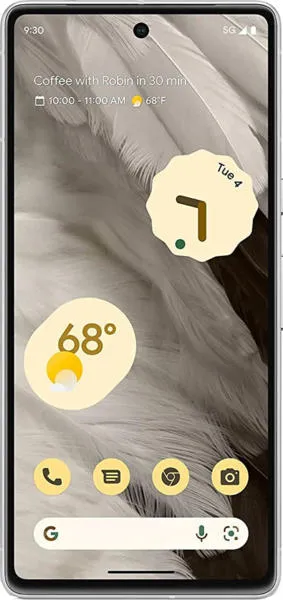
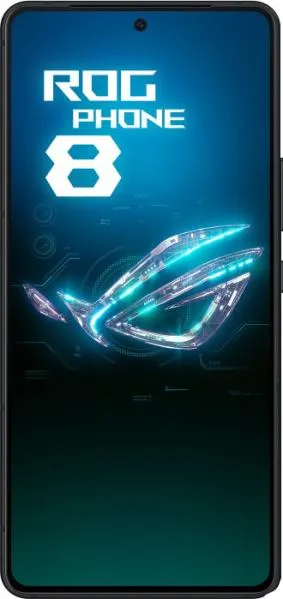
Google Pixel 7 vs. Asus ROG Phone 8: A Deep Dive for the Discerning User
The smartphone landscape is constantly evolving, with new contenders vying for your attention. Today, we'll dissect two distinct offerings: the Google Pixel 7, known for its refined software and camera prowess, and the Asus ROG Phone 8, a gaming powerhouse built for speed. Let's cut through the marketing jargon and uncover what truly matters: how these devices perform in the real world.
1. Specifications Breakdown
| Feature | Google Pixel 7 | Asus ROG Phone 8 | Real-World Implications |
|---|---|---|---|
| Design | |||
| Dimensions (mm) | 155.6 x 73.2 x 8.7 | 163.8 x 76.8 x 8.9 | ROG Phone 8 is larger and heavier; Pixel 7 is more pocketable. |
| Weight (g) | 197 | 225 | ROG Phone 8's weight might be noticeable during extended use. |
| Display | |||
| Size (inches) | 6.3 | 6.78 | ROG Phone 8 offers a larger screen for immersive content. |
| Resolution (px) | 1080 x 2400 | 1080 x 2400 | Both have the same resolution, but Pixel 7 has slightly higher PPI due to smaller size. |
| Refresh Rate (Hz) | 90 | 165 | ROG Phone 8's 165Hz delivers incredibly smooth scrolling and gaming. |
| Display Type | AMOLED, 90Hz | AMOLED, 165Hz, LTPO | ROG Phone 8's LTPO panel allows for variable refresh rate, saving battery. |
| Peak Brightness | 1400 nits | 2500 nits | ROG Phone 8 is significantly brighter for better outdoor visibility. |
| Performance | |||
| Chipset | Google Tensor G2 | Snapdragon 8 Gen 3 | ROG Phone 8 boasts a newer, more powerful processor. |
| CPU | Octa-core | Octa-core | ROG Phone 8's CPU architecture is designed for peak performance. |
| GPU | Mali-G710 MP7 | Adreno 750 | ROG Phone 8's GPU is expected to deliver superior gaming graphics. |
| RAM (GB) | 8 | 16 | ROG Phone 8 has double the RAM for smoother multitasking and demanding applications. |
| Camera | |||
| Main Camera (MP) | 50 | 50 | Comparable main camera resolution. Image quality will depend on processing. |
| Ultrawide (MP) | 12 | 13 | Similar ultrawide capabilities. |
| Battery Life | |||
| Capacity (mAh) | 4355 | 6000 | ROG Phone 8 has a significantly larger battery for extended usage. |
2. Key Insights
The Pixel 7 prioritizes a balanced, polished experience with its Google-engineered Tensor G2 chip, exceptional camera software, and clean Android experience. It's a compact powerhouse for everyday tasks, photography, and smooth performance.
The ROG Phone 8, on the other hand, is a beast designed for gaming and demanding tasks. Its cutting-edge Snapdragon 8 Gen 3 processor, coupled with a stunning 165Hz display and a massive battery, makes it ideal for power users and mobile gamers.
3. User Profiles and Recommendations
Pixel 7: Ideal for users seeking a premium Android experience with a focus on ease of use, excellent camera quality, and reliable performance in a pocketable form factor. Best for everyday tasks, social media, photography, and light gaming.
ROG Phone 8: Designed for mobile gamers, power users, and anyone who demands the absolute best performance from their smartphone. Perfect for heavy multitasking, demanding applications, extended gaming sessions, and media consumption.
4. Buying Decision Framework
- What is your primary use case? Everyday tasks and photography? Pixel 7. Demanding gaming and heavy multitasking? ROG Phone 8.
- How important is portability? Pixel 7's smaller size is more pocketable.
- What is your budget? The ROG Phone 8 will likely command a higher price premium.
My Choice: The Google Pixel 7
While the ROG Phone 8 is undeniably powerful, I would choose the Google Pixel 7. My priorities are a refined, smooth user experience, a top-tier camera, and a device that comfortably fits in my pocket. The Pixel 7 excels in these areas, offering a balanced blend of performance, features, and portability. While I appreciate the raw power of the ROG Phone 8, its larger size, gamer-centric features, and likely higher price point don't align with my personal needs and preferences. The Pixel 7 provides a more practical and enjoyable experience for my daily workflow and lifestyle.
