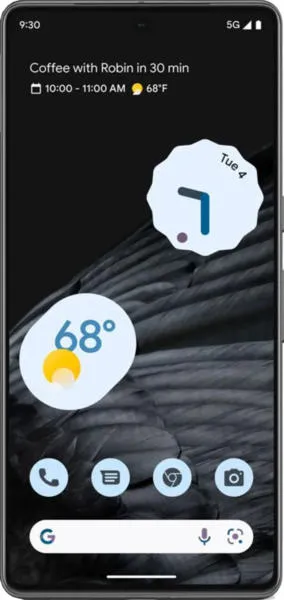
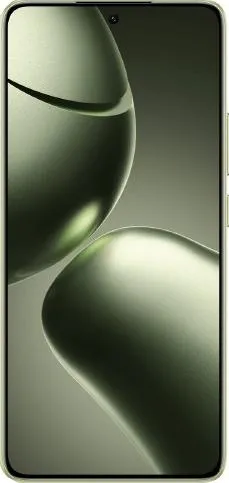
Google Pixel 7 Pro vs. Xiaomi 14T: A Deep Dive for the Discerning Smartphone User
The smartphone landscape is constantly evolving, and choosing the right device can feel overwhelming. Today, we'll dissect two compelling contenders in the mid-range arena: the Google Pixel 7 Pro and the Xiaomi 14T. By blending technical expertise with real-world insights, we'll empower you to make the best decision for your needs.
1. Specifications Breakdown
| Feature | Google Pixel 7 Pro | Xiaomi 14T | Real-World Implications |
|---|---|---|---|
| Design | |||
| Dimensions (mm) | 162.9 x 76.6 x 8.9 | 160.5 x 75.1 x 7.8 | Pixel 7 Pro slightly taller and wider, 14T noticeably thinner. Impacts grip and pocketability. |
| Weight (g) | 212 | 193 | 14T lighter, more comfortable for extended use. |
| Display | |||
| Size (inches) | 6.7 | 6.67 | Negligible size difference. |
| Resolution | 1440 x 3120 | 1220 x 2712 | Pixel 7 Pro sharper due to higher pixel density; crisper text and images. |
| Refresh Rate (Hz) | 120 (LTPO) | 144 | 14T smoother scrolling and animations, but potentially higher battery drain. Pixel adapts refresh rate for power efficiency. |
| Peak Brightness | 1500 nits | 4000 nits | 14T significantly brighter outdoors. |
| Performance | |||
| Chipset | Google Tensor G2 | Dimensity 8300 Ultra | Both powerful chips, but real-world performance depends on optimization. Expect comparable speeds for most tasks. |
| RAM (GB) | 12 | 12 | Ample RAM for multitasking on both devices. |
| Camera | |||
| Main Sensor (MP) | 50 | 50 | Comparable resolution, but sensor size and processing will determine image quality. |
| Telephoto (MP) | 48 | 50 | Both offer strong telephoto capabilities, 14T may have a wider aperture. |
| Battery Life | |||
| Capacity (mAh) | 5000 | 5000 | Similar battery capacity; real-world usage will depend on software optimization and display settings. |
2. Key Insights
- Display: The Pixel 7 Pro boasts a sharper display, while the 14T offers a higher refresh rate and significantly brighter screen for better outdoor visibility. The Pixel's LTPO technology dynamically adjusts the refresh rate, potentially saving battery life.
- Performance: Both phones pack powerful processors and ample RAM, promising smooth performance for everyday tasks. The Tensor G2 excels in AI and machine learning tasks, potentially enhancing features like voice assistant and photography. Dimensity 8300 Ultra is known for its efficiency.
- Camera: Both phones feature impressive camera systems. Real-world image quality will depend on factors beyond megapixel count, such as sensor size, aperture, and image processing algorithms. Pixel's computational photography prowess traditionally delivers excellent results.
- Software: Pixel offers a pure Android experience with faster updates and unique Google features. Xiaomi's MIUI offers customization options but may include bloatware.
3. User Profiles and Recommendations
- Pixel 7 Pro: Ideal for users prioritizing a clean Android experience, frequent software updates, a sharp display, and Google's AI-powered features. Excellent choice for photographers relying on computational photography.
- Xiaomi 14T: Suited for users who value a high refresh rate display for smooth gaming and media consumption, exceptional brightness for outdoor use, and potentially a more affordable price point.
4. Buying Decision Framework
- What kind of software experience do you prefer? Pure Android (Pixel) or a customizable interface (Xiaomi)?
- Is display sharpness or brightness more important to you? Pixel for sharpness, 14T for brightness.
- What is your budget? While both are mid-range, the 14T is typically positioned at a slightly lower price point.
My Choice: The Google Pixel 7 Pro
While the Xiaomi 14T boasts impressive specs, I would choose the Google Pixel 7 Pro. My decision hinges on the following:
- Clean Android Experience: I value the pure Android experience, timely updates, and seamless integration with Google services.
- Camera Prowess: Pixel's computational photography consistently delivers outstanding results, which is a high priority for me.
- LTPO Display: While not as bright as the 14T, the Pixel's adaptive refresh rate balances smoothness with battery life, a trade-off I find favorable.
Ultimately, the Pixel 7 Pro aligns better with my priorities for software, camera performance, and overall user experience.
